Exclusive Interview
Produced by: Rudy Manager
Edited by: Rudy Manager & Andrej Aroch
Graham Cruser - Multi-Platinum Engineer on Mixing Records and Building Calhoun Studios

The Studio Talks team connected with multi-platinum mix engineer Graham Cruser at his recording facility, Calhoun Studios, in Los Angeles on April 20. Graham welcomed us into the space and gave us a closer look at the different rooms, each designed with a warm, welcoming feel and a strong sense of intention. Having worked with artists including The Kid LAROI, Alessia Cara, Foggieraw, and many more, Graham has built a reputation for bringing taste, precision, and feeling to every mix. In this interview, we talked about his journey into music, his approach to mixing records, the vision behind Calhoun Studios, and the advice he’d give to the next generation of mixers and producers.

“I want to make sure I’m serving the artist’s vision and helping them experience the process in a thoughtful, curated way.”
- Graham Cruser
How did you first get interested in music, and how did that evolve into you becoming a mix engineer?
I first got started in music when I was young. I started playing the piano, and I had a little band with my two older brothers. We would jam every Sunday, and I really fell in love with the piano. Then I got into recording when I was around eight or nine, and I started using GarageBand.
My brother introduced me to Ableton, and it became like a video game for me. I really loved production and the intersection between real instruments and technology. Even when I was young, I started making a lot of songs just for fun. That was kind of the start of what got me into this whole mess.
How did you improve from when you first started, and did you have any mentors, or were you mostly self-taught?
I think the biggest way I improved my music was by moving out to LA and working different jobs. I kind of came up as a recording engineer. I worked at John Williams’ studio, where I was a runner for six months and then an assistant engineer for a year and a half. Putting yourself in an environment where you get to learn from people who are much better than you and see the different roles was really important.
I feel lucky because of the jobs I’ve had in music. The more different types of music jobs you expose yourself to, the more you can learn. I got better by putting myself in an environment where I was around cool people working on great music and seeing how they created. Of course, the only way to learn is by doing and trying. I worked with a lot of friends in college, and then after college, I really focused on locking in deeply and making records that I cared about while trying to get better.
I’ve always been someone who really loves connecting with people and going to events. One of the events that really inspired me was Mix with the Masters. When I worked at Ableton, I was lucky enough to go to Berlin and spend a lot of time there. I would take vacation time and go to Mix with the Masters to really study the craft and learn from different people. Honestly, those experiences inspired me to come back to LA and work hard to implement everything I was exposed to there. They inspired me to become a better mixer and a better recording engineer.
A lot of my journey has been about seeking out really cool environments, building cool spaces, and learning from them. In terms of mentors, I feel lucky to have had amazing bosses in music who I got to learn from. I think anyone who’s starting out has to surround themselves with people who are a lot better than them, so they can learn from them and see what they like and don’t like. Then, of course, you have to really put in your full effort and make sure you’re actually doing it, not just waiting for things to happen.
What’s the best advice you’ve ever received from a mentor?
I think the best piece of advice I’ve received from a mentor is that it takes a lot of effort to be a good listener, and it takes a lot of effort to understand what someone is trying to say to you. The best advice I’ve ever been given is not just to listen to what people are saying, but to listen to what they’re trying to say through it.
I always try to hear people for what they’re trying to do and what they’re trying to say, and really be present with them. I think the best thing you can do is try to be present with people and build real relationships and real trust through those conversations. That advice has changed my life many times, and I always try to share it with people. It’s important.
Do you remember who gave you that advice?
I think the person who told me that was Ruairi O’Flaherty from Nomograph Mastering, and I love him dearly. He’s a very thoughtful human being.
What was your experience like studying audio engineering and music production at university?
I went to USC and studied audio engineering and music production, and I really loved it because it was a great time in my life to experiment and try different roles. A lot of the time, I was a tracking engineer, and in the last two years of school, I really started producing records for people, including my friends. I think music school is incredible for people who need time to develop. I definitely didn’t know exactly what I wanted to do in music yet, so it was a really good time to experiment.
The best thing about music school was meeting friends who, honestly, are still incredible to this day. We still work together, and I’m constantly running into people I met in college who are out in the field, playing in different bands, producing, and writing records. The best thing about music school was really the people. I feel grateful for the community I had in college because it set me up to collaborate with a bunch of really cool musicians. We honestly had a great time getting to know each other and learning from each other.
Music school was very important for me. I don’t think it’s necessary for people who already know what they want to do or who are super talented, but when I was 18 and moved out to LA, I was excited about a lot of things and wanted to try a lot of things. Music school gave me the time to try those things, which was incredible. I highly recommend it for people who need time to figure out who they are, what they want to do, and how they want to go about it. But the best thing about music school is the people you meet through it.
What mixing techniques have you noticed becoming more popular compared to when you first started, and where do you see things going over the next few months or years?
I think mixing has changed a lot over the last ten years. It’s a lot faster and a lot more competitive. A lot of people are looking for high-quality results quickly, so all the tools that have come out to help us work faster, prepare sessions faster, and name and organize things quickly have been incredible.
You can now prep a session with AI scanning everything, and it can tell you what every instrument is, color-code it, and route it. Those things didn’t exist ten years ago, so a lot of the tools have changed. I don’t think many techniques have changed, though. I think people are still doing a lot of the same techniques. Obviously, there are different styles now, and more people are working entirely in the box. I know a lot of people mix in the box because the technology has gotten so good. Being able to have all of these powerful tools inside a computer is incredible.
I think the tools are really what have changed the most. The techniques kind of stay the same, but it’s how people use those tools in their workflows that allows the mixing process to change. I really love all of the new tools that have come out, and I’m constantly learning from friends and sharing new things with friends. That’s an exciting thing about the mixing world right now.
How do you usually approach starting a new mix for a new artist? What do you like to do first, and do you have any creative routines?
Yes, I love hosting people at my studio and getting to know them before we dive in, if we have the time. But if it’s someone I’ve worked with a lot, I usually just get going and get right into my process, which starts with getting the files and making sure everything sounds really close to the rough mix. That’s very important to my process, so a lot of it comes down to communicating effectively with the producers to make sure I have everything I need.
I really love prepping things and getting them to sound right so that when I’m fresh and I open up the mix, I can just dive in and go with my gut instinct. That’s a huge part of my style. I love hosting people, having them come by, and getting to know them. Sharing music is a huge part of the relationships I have with the artists and producers I work with.
When I start a project with someone, especially if it’s a full album, it’s really important for us to get to know each other, hear about the project, hear the stories behind it, understand the goal, and learn about the inspiration. Sometimes they just want me to do my thing, and they’ll say, “Here are the files. Show us what you can do.” I love that too, but it changes depending on the project. A lot of the time, if I have that luxury, I like to get to know the people, have them come through, share music, listen to things, laugh, eat, have coffee, and enjoy life.
When you open a Pro Tools session, what’s your usual approach, and what do you like to start with?
When I open a project for the first time, I have a template that I love and have used for many years. Depending on the type of song, I usually start with the instrumental and get it to a great place where everything feels balanced and translates well. Then, typically, I add in the vocals, starting with the lead vocal and then the background vocals. I like to build from the foundation up, so that’s usually what I do.
Sometimes, though, if it’s an acoustic record and everything was recorded live together with bleed involved, that’s not possible, so I have to approach it differently. I mix with everything on the whole time, and I just try to make sense of it by getting my gain staging right on my mix bus so I can start getting things competitive quickly. Then I finesse each individual part to make sure it feels great.
Typically, I like to start with the instrumental and get things translating well. Then I’ll add the vocals in and make sure we have enough headroom to really push things where they need to go.
What are some of your favorite pieces of studio equipment, and do you have any go-to VSTs when mixing?
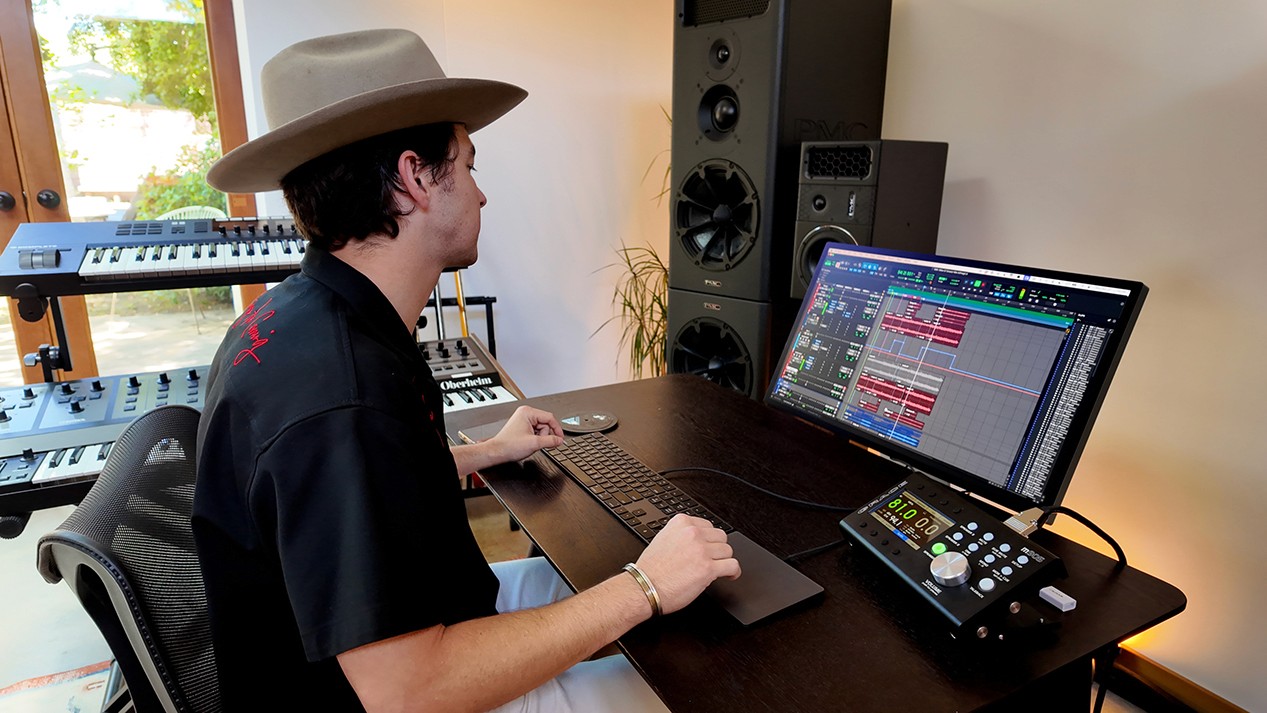
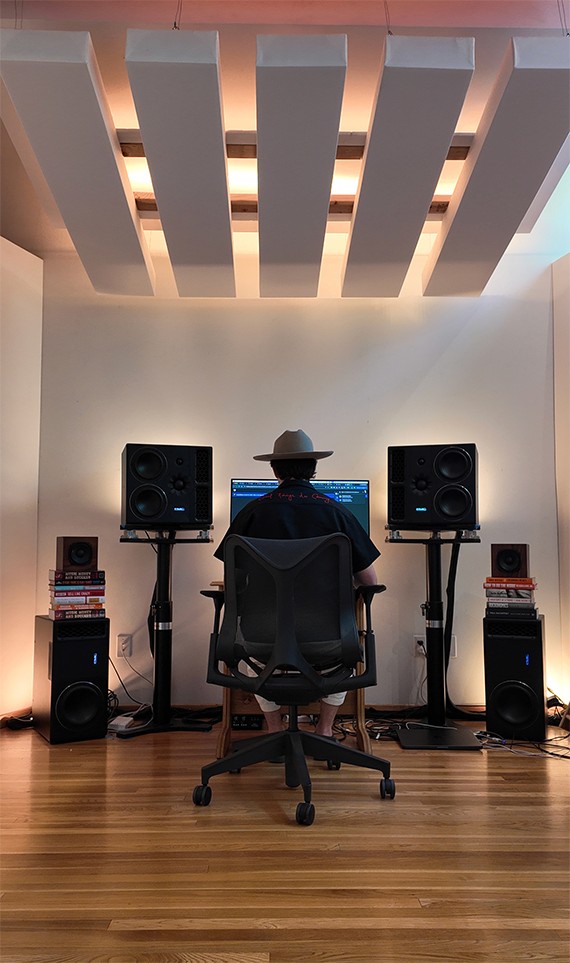
My favorite studio equipment would probably be my speakers. I love my PMCs. They’re super fun and inspiring.
For VSTs, my favorites are definitely iZotope plugins. Ozone 12 is incredible. There are so many new tools inside of it, and I think they’re doing an amazing job. I also love Pro-Q. My main tools are probably Ozone, Pro-Q, and maybe the SSL 4000 G Bus Compressor from UAD. I love that one as well.
I also love a lot of cool saturation plugins. Different tape emulations are really, really fun. I love Tupe and a lot of the Goodhertz plugins. I find them really creative and fun. Then with oeksound, I love Soothe and Spiff. Honestly, I love everything by oeksound. They’re really, really good.

What’s your opinion on AI in music production and mixing?
I think the AI tools that are coming into the mixing world are really interesting, and I think they’re really just tools. Just like you would grab a pen or a pencil to draw the picture you want, these AI tools allow you to do different things and help you in your process. I’m excited about them. I don’t use that many of them right now, but I know they’re coming, and I can’t wait to see how my friends use them.
I’m a very analog person, but at the same time, I love things that help us move faster. Any tools that help save time and relieve tedious tasks are the AI tools that I’m really excited to see develop. Whether that’s vocal editing or taking different groups of instruments that have a similar plugin on them and analyzing them to give me information back, I’m excited about that kind of thing.
I haven’t seen anything that blows my mind yet. I’m still using a lot of regular plugins. I’m a very simple person, and I’d rather use ten plugins that I know really well than a thousand plugins that I have. AI feels like a new adventure and a new landscape that I’m excited to dive into over time, but it isn’t a huge part of my process right now.
What was your vision behind building Calhoun Studios, and what’s your goal with the studio now?
Thank you. I love my studio. It’s been a labor of love to build. Calhoun started as an idea that grew over time, and I’ve always been someone who’s inspired by spaces and architecture. I love building things. I love furniture, and I love design. Honestly, I’ve always dreamed of creating spaces that feel intentional and have a really good, cozy environment for making decisions.
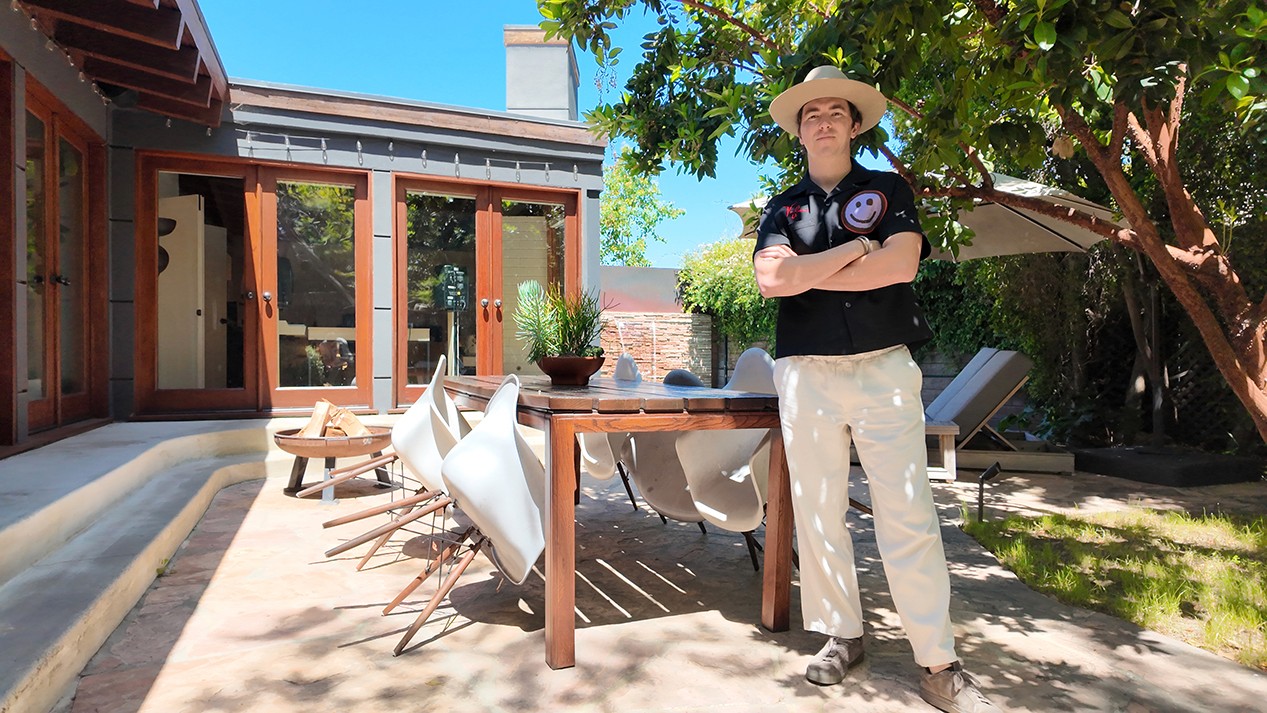
This is the first studio that I’ve built for myself. I built a lot of studios for Ableton. I built their studio in Pasadena, and I’ve built studios for my mentors. But this place is kind of the culmination of everything I’ve learned, and it allowed me to create something truly unique. I like to describe it as a mid-century modern Shangri-La because it’s a studio complex that really feels like you’re in nature.
A lot of studios inspired it. I feel inspired by studios like La Fabrique in the south of France, Rue Boyer in Paris, Abbey Road, and Electric Lady. I’ve worked in all of those rooms, and I really wanted to create a studio that’s a commercial space but feels like home. That’s always been my goal. How do we make studios in a home environment that are really sonically powerful and have everything we need to compete at the highest level?
Over the past five or six years of building Calhoun, each room has developed its own vibe, environment, and tools that inspire different types of sessions. Calhoun has been an amazing place to live and collaborate with people. It was also inspired by not being satisfied with the tools and studios that existed. I’ve always dreamed of having a studio filled with natural light, plants, and beautiful furniture. Those are all things that inspire me and make me feel at home.
I think they inspire artists and producers as well. They help people show up, care about the work, and enjoy it. Sometimes the work isn’t enjoyable, but at least we’re in a beautiful place, and that makes it more enjoyable. It’s nice to be in beautiful spaces, and I try to make sure my clients feel cozy and at home when we’re working together.
How did you first get connected with The Kid LAROI’s projects, and what was the process like working on his records?
I was introduced to that project through BNYX, who connected me with Omer Fedi. They were working on The Kid LAROI’s first album, and they hit me up for a mix. That went really well, so we ended up doing a few more, which was really fun.
Shout out to BNYX for making that happen. He’s the best, and he’s so talented. I really appreciate him connecting me with the crew and helping me get involved in that project, because it was such an amazing album. I still love it to this day.
Is there a project you’ve worked on that’s especially close to your heart?
I think recently the album I loved working on the most was the Foggieraw album. We spent a lot of time on it, almost two years mixing it. Foggieraw is just so smooth and unique. His voice is so fun to mix, and the music was incredible. There were so many talented people playing samples that felt iconic.
That was probably one of my favorite recent albums to work on because it just feels so good. That’s the kind of music I really deeply love, and I love him as a human too. Getting to know Foggie during that process was a lot of fun. I love mixing vocals, and I love when I get to work with a vocalist like Foggie. That was probably one of the most fun projects I’ve ever mixed. I loved it.
What advice would you give to the new generation of mixers and music producers who are trying to get into the industry, work with established artists, and build lasting careers?
My advice would be to limit your distractions and focus on output. I think the more you focus on your output, the further and faster you’ll go. For anyone who’s coming up, I’m always personally inspired by people who make things and put them out. So I would focus on making sure you’re actually working and getting things out into the world.
However you go about doing that, focus on your output and try to limit your distractions, because there are a lot of distractions these days. Really, all you need to focus on is making sure you’re mixing, putting things out into the world, building relationships, building trust, and getting credits. The best thing to do when you’re coming up is to build your credits and strong relationships with people, because that can lead to opportunities and allow you to continue growing with people. That would be my advice for up-and-coming mixers, producers, and engineers. Focus on your output.
What are your plans for the rest of the year, both personally and professionally?
My plans this year are to continue growing my world, both with mixing and with my studios. I’m super grateful to be mixing some albums that I really love right now, and I want to give those my all. I want to continue growing alongside my friends who are awesome producers, and I also want to host events at my studio, like dinner parties, small, intimate listening sessions, and barbecues.
Personally, I really want to continue getting in shape. I play a lot of tennis, and that’s very important to me. Really, what I want to do is play a lot of tennis, make great projects, and continue building new studio environments. Another thing I really want to do is keep dialing in all of the studio spaces in my house. I’m recording a lot more now, and I really enjoy the process of recording full bands in our living room studio, tracking drums, acoustic guitars, live piano, and real instruments. I’ve been doing a lot of that lately with friends, so I want to continue building that and see where it goes as well.
Is there anything else you’d like to touch on or share?
I think one of the things that’s most important to me is respecting the process. When you take on different projects with different teams, personalities, and emotions involved, it’s really important to build a foundation of respect for the process. Sometimes, if things aren’t going well, you can always go back to that idea and remember that this isn’t about me, and it isn’t about you. It’s about the process of getting the record to the best place it can be.
My advice would be to always try to serve the record and respect everyone’s opinions, while also respecting the process and showing people that we’re all in this together. We’re trying to make this great. Sometimes it’s not easy, but if we respect the process and align on that, I think a lot of things end up working out, especially in the mixing phase.
I care deeply about the process. I care deeply about the journey of mixing and finishing a record. I always try to make sure I’m of service to the artist while also respecting the process and guiding them through it in a natural way, so that by the end, they have a great experience. We work in a service industry, and I want to make sure I’m serving the artist’s vision and helping them experience the process in a thoughtful, curated way. That’s really, really important to me, and I’m excited to continue doing that for people.
Follow Graham Cruser on Instagram: @grahamcruser
More Blog Posts
See our latest blogs