Exclusive Interview
Produced by: Rudy Manager
Edited by: Rudy Manager & Andrej Aroch
Mondo - Atlanta Producer Behind Records for Lil Wayne, 2 Chainz & Kodak Black
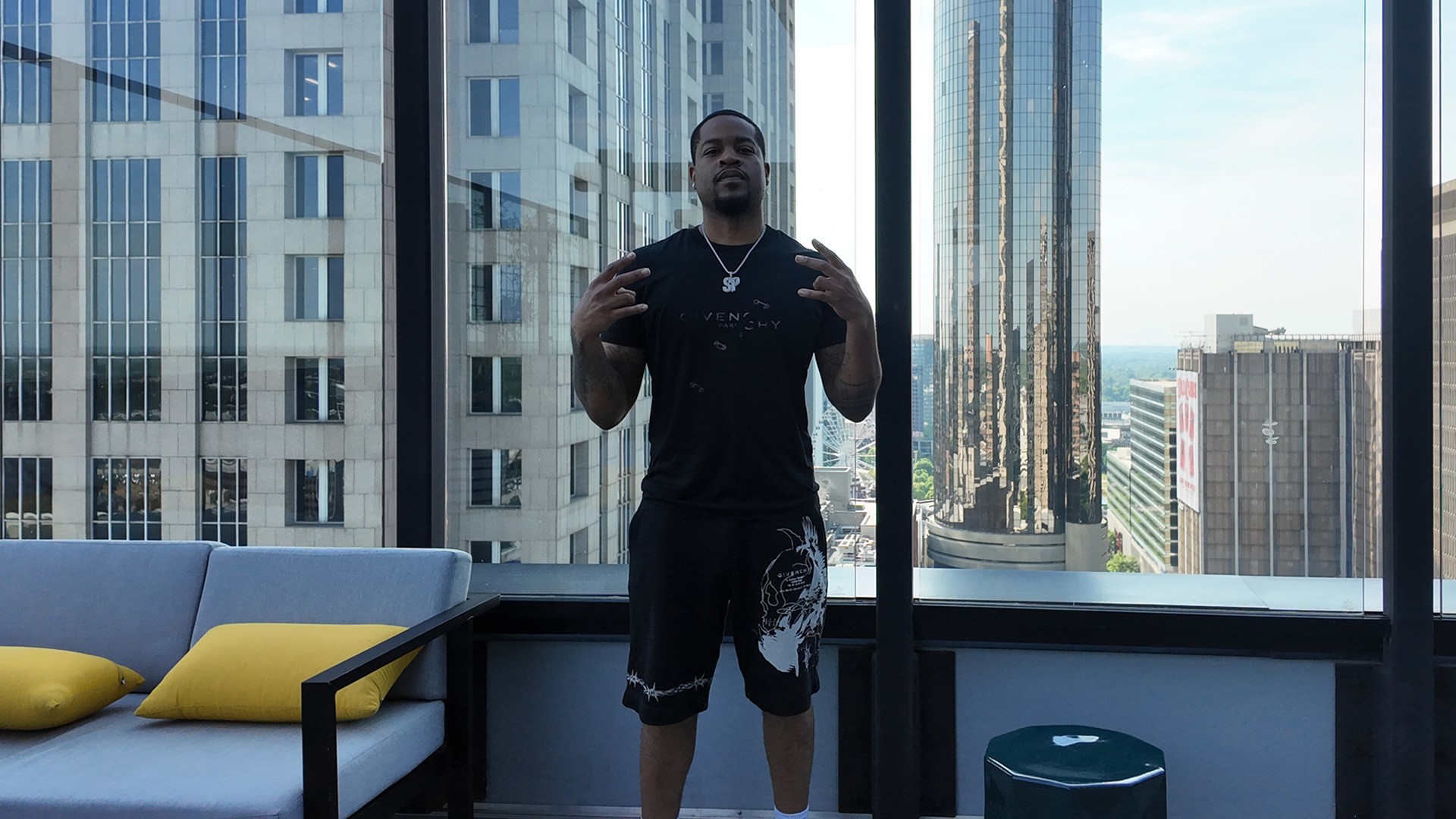
Studio Talks spoke with Mondo about his journey as a music producer, from discovering music through his family and learning FL Studio, to landing placements with artists like 2 Chainz, Kodak Black, Lil Wayne, Bankroll Fresh, and more. We linked up with Mondo on a residential rooftop in downtown Atlanta on April 8. In the conversation, he reflects on his creative process, favorite tools, working with artists, the story behind “Godzilla,” and the advice he would give to producers trying to make their mark in the industry.

“Find an artist you can really lock in with and develop a sound together.”
- Mondo
How did you first get interested in music, and how did that eventually lead you into production?
Music was always a big thing in my household. My parents have an extensive music catalog when it comes to what they like to listen to. My big brother is an underrated DJ, so I always paid attention to his music catalog and his ear. The love for music really came from my family.
I started producing once I saw my big cousin making beats. Eventually, he and some others started a music group and had their own studio in the basement. That’s when I got introduced to Fruity Loops. From there, I started producing. But my love for music probably started before I could even remember.
When you first started using FL Studio, how did you work on improving? Were you mostly self-taught, or did you have mentors or formal training?
Repetition. Repetition is how I got better. Initially, I thought I was good, but the better you get, the more you realize you’re not that good yet. So it really came down to making a lot of beats. I was in love with the program, and it was new to me, so I just kept putting in the reps.
I’d also give about 65 percent of the credit to YouTube. YouTube University, man. I come from the era where you could get on the internet and watch Zaytoven, London On Da Track, or Will A Fool cook up. You could watch those guys work, so the inspiration was there. Besides just putting in the reps, YouTube played a big part.
What was your work rate like early on? How many beats were you making in a week or a month?
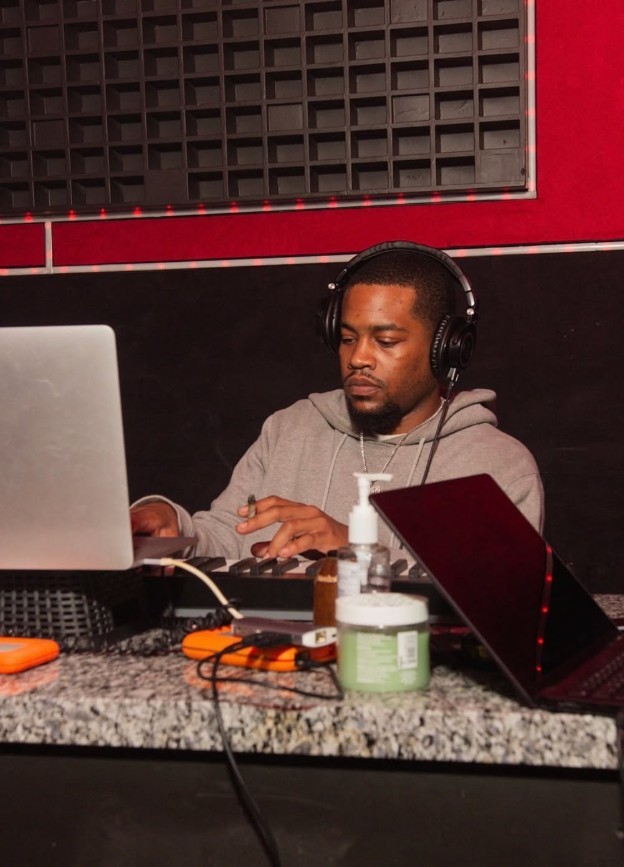
In the beginning, it wasn’t really about making a lot of beats. It was more about exploring Fruity Loops as much as I possibly could. So at first, I wasn’t making a huge number of beats. But once I got the hang of actually creating a beat from start to finish, the numbers started to grow.
In the beginning, there was a point where I could make 10, sometimes 20 beats a day, but the quality of those beats wasn’t that great. So I stopped trying to make so many in one day and started focusing on really learning how to make the beats I actually wanted to make.
The output wasn’t always 10 to 20 beats. Sometimes it would be a solid three to five, maybe six or seven. But eventually, I started focusing more on quality than quantity.
When you open FL Studio, how do you usually start an idea from scratch?
Before I actually open FL Studio, I like to have a little jam session on YouTube and listen to different things. I call it tweaking my ear, because something might spark my interest. It could be something as small as the strum of a guitar or a two-second loop from a song. So I like to listen to music and get a quick jam session in before opening Fruity Loops.
When I actually open it up and start from scratch, sometimes I start with the drums first. Sometimes I start with a melody and build from there. Other times, I don’t have a melody or drum pattern yet. I might just like a few specific sounds, so I’ll play with them until I get a melody I like.
There are so many different ways I start, but it’s really about not limiting myself. That’s why I start my beats however I feel in that moment and just try to stay creative.
What are some of your favorite VSTs, and do you use any hardware synths in your production?
I cook up with the MODX a lot. Shout out to Buddah Bless. He introduced me to the MODX and the Fantom. But as far as plugins, there are so many that I like. I can’t really say I have one favorite, but lately I’ve been using a lot of Zenology banks.
Omnisphere is probably on everybody’s list, or at least in their top three. At some point, you’re going to use Omnisphere for something. But Arcade is probably one of my favorites because you can do so much with it. You can really manipulate sound in Arcade. I also like Serato Sample because I get to chop samples, and it’s really easy to chop samples in Serato. Those would probably be my go-tos.
Do you usually work from your home studio, or do you prefer being in the studio with artists and cooking up in the room?
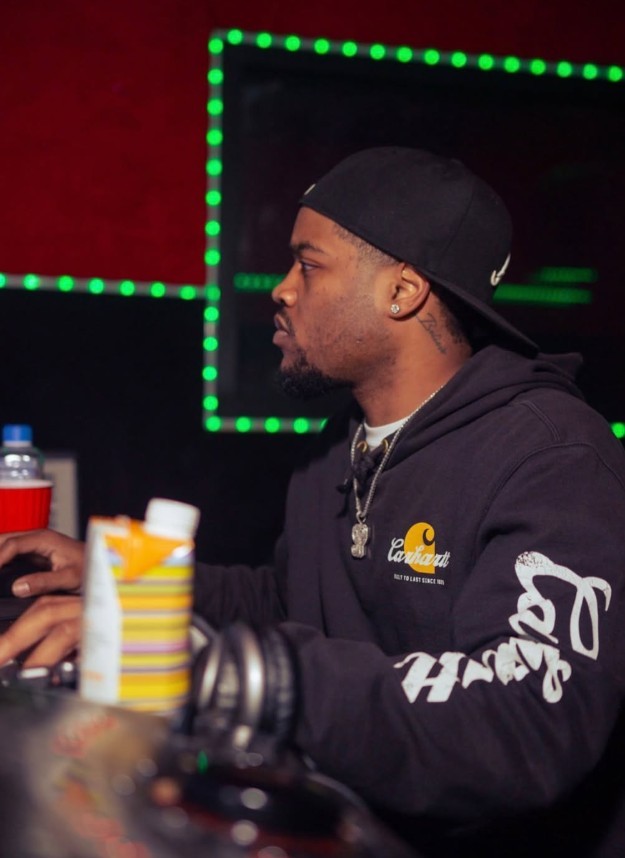
Both. I think the recipe is to do both. I really enjoy cooking up by myself because I can lock in and manipulate the beats as much as possible without interruption. Sometimes, when an artist hears something they like, they need to get the idea out as quickly as possible. That can interrupt me when I’m being a mad scientist with the beat.
So I do both. I make beats a lot at home, and when I’m in the studio with artists, I have beats ready, but I also make beats in front of them. Whichever one gets the job done. But I do love making beats at home, because I can really be the mad scientist I like to be and create without interruption. I don’t think there’s one better way.
What advice would you give to newer producers who aren’t used to working in the studio with artists yet? When the pressure is high and the artist is in the booth, what should they focus on?
Preparation is key in this kind of situation. You won’t always be able to do this, but if you know which artist you’re going to lock in with later that day or night, do your homework before you get to the studio. Do your due diligence on that artist.
I’d say listen to their music before going into the session. See what kind of cadences and flows they normally rap on. Pay attention to the BPMs they usually rap over and the key they seem to like the most. Those small details can make the session flow even better when you get there.
But confidence is important too. My advice is to be confident and stay as creative as you possibly can. Don’t be afraid to push the envelope. We all have a job to do, and as creatives and producers, we’ve got to push the envelope and be as creative as possible.
That’s really my main advice to any producer. These situations are going to come. Don’t look at them as stressful situations. Look at them as great opportunities that a lot of people don’t get, and just have fun with it.
What would you consider your first official placement, and how did it come together?
My first placement was on a mixtape with Black Boe from Travis Porter. I’m bad with years, but I want to say it was around 2014, maybe 2013, somewhere around there. It came about through mutual friends. I had the opportunity to get a studio session at the original Street Execs Studios, and he happened to be there. We linked up, introduced ourselves, and I played him some music. Actually, I played him one beat, and he said he was going to use it and put it on his mixtape.
Our friendship and brotherhood grew from there. I’d say that’s one of my most important placements because it opened the door for me to build relationships with a lot of A-list celebrities and artists that I probably wouldn’t have gotten in the room with that quickly if it weren’t for that song. It was a song I did with Black Boe on the Black Boe Knows 2 mixtape. That was my first placement.
Can you share the story behind “Godzilla” with Lil Wayne, 2 Chainz, and Vory?
“Godzilla” was a song I did with 2 Chainz and Lil Wayne, featuring Vory. That song was actually built over a period of time. 2 Chainz is my guy, shout out to him. He put that verse together way before the full song came together. So 2 Chainz had a verse and an idea on my beat, and he presented it to Lil Wayne. Wayne loved it, so they ended up reworking the idea and making “Godzilla.”
The intro that Vory did came after Lil Wayne and 2 Chainz had already done their parts. It was like a three-headed monster in the studio, coming up with ideas and chopping up what they didn’t like until “Godzilla” came together.
I really wish I’d been more hands-on when it came to orchestrating the actual song, but at the same time, I love that I wasn’t, because it was a pleasant surprise for me. The first time I heard the song, it didn’t sound the same as the final version. I really appreciated the craftsmanship of those gentlemen and how that song came together. That’s the story behind “Godzilla.”
Looking at your whole catalog, is there one production that means the most to you?
My favorite song or favorite production changes over time because they all highlight different moments in my life. “Hittin’” with Money Mu is probably my favorite because we grew up together, and we did something that, in my opinion, a lot of people don’t get to do. We were friends who had known each other from middle school all the way into adulthood, and we made a hit song together. That’s rare to see.
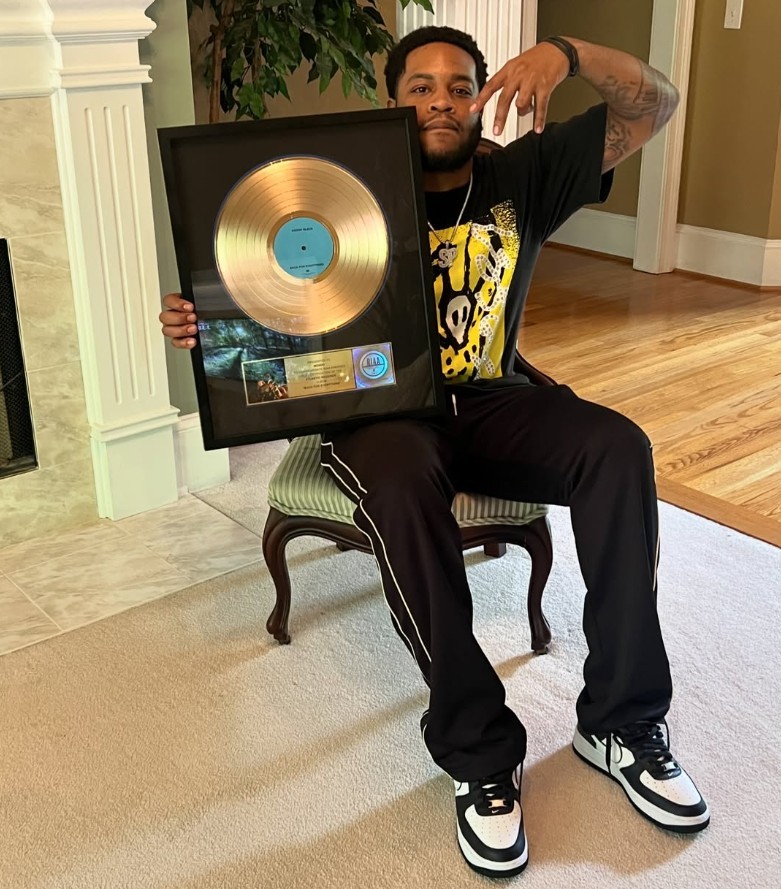
My placement with Bankroll Fresh was my first radio placement, so that one is very precious and dear to me. Long live Bankroll Fresh. The one I did with Kodak Black is special to me too, especially because of how it came about. The album went platinum a couple of weeks ago.
I’ve got a lot of records, and they all hold a special place in my heart. So I don’t like to rank a lot of them over each other. But some of them are significant enough to mention, and those are the ones I bring up because they mean a lot to me.
What are your thoughts on AI in music production?
I think it’s useful. I think it can be helpful if you use it properly. I do think it’s the future, but for me as a creative, I’m just not fully sold on using it that much. I have used AI, and I’m not opposed to using AI, but it’s just not my go-to. It’s not my first thought.
When I’m in the studio being creative, I don’t think about artificial intelligence. But to each their own. If you want to use AI, I think that’s smart, and I think you can definitely push the envelope and be creative with it.
At the end of the day, I don’t think we, as creatives, should depend on it. But I do love it for what it is and what it could be for the sport.
What advice would you give to the next generation of producers who want to work with established artists and build their name in the industry?
For new producers, my main advice would be to be as creative as possible and push the envelope. Whatever you hear that’s already out is already out, so you don’t have to mimic it. Find an artist you can really lock in with and develop a sound together.
You’ll thank yourself for locking in with an artist and developing a sound. Whether you become known for one sound or not, just keep pushing the envelope, be creative, chase the opportunities, be ready for them, and create. Unapologetically create.
What are your plans for the rest of the year, both personally and professionally?
Personally, I want to get in the best shape of my life. I’m already on my way to doing that. Professionally, I’m looking for something that pushes the envelope. I’m going to keep saying that because I’m looking for something that feels edgy. I’m looking to make a song or create a moment that lasts forever.
I’m aligning myself with whatever is timeless. That’s my main focus: creating with artists where we can make timeless music together that’ll last forever. That’s my goal.
Is there anything else you’d like to touch on?
Keep creating. Don’t stop. Don’t stop creating. Move around wherever you are. If you’re in your home city and you’re not getting it done there, catch a flight, take that trip, or drive however many hours you need to get to another city or state. Do whatever you’ve got to do to get your sound out there.
The internet is a great tool for helping the world find you and understand who you are. Use the internet and be happy about it. Create. As creatives, our energy is contagious, whether we’re in a great mood or a bad mood, and people can feel it in the music. They can feel it in the music and see it in your energy.
So I’d advise everybody to stay in a great mood, love yourself, and create the best music you possibly can. That’s it.
Follow Mondo on Instagram: @mondomadedat
More Blog Posts
See our latest blogs