Exclusive Interview
Produced by: Rudy Manager
Edited by: Rudy Manager & Andrej Aroch
Arno Sugarman - Boysarerolling Producer on Joey Bada$$ Records and Finding His Sound
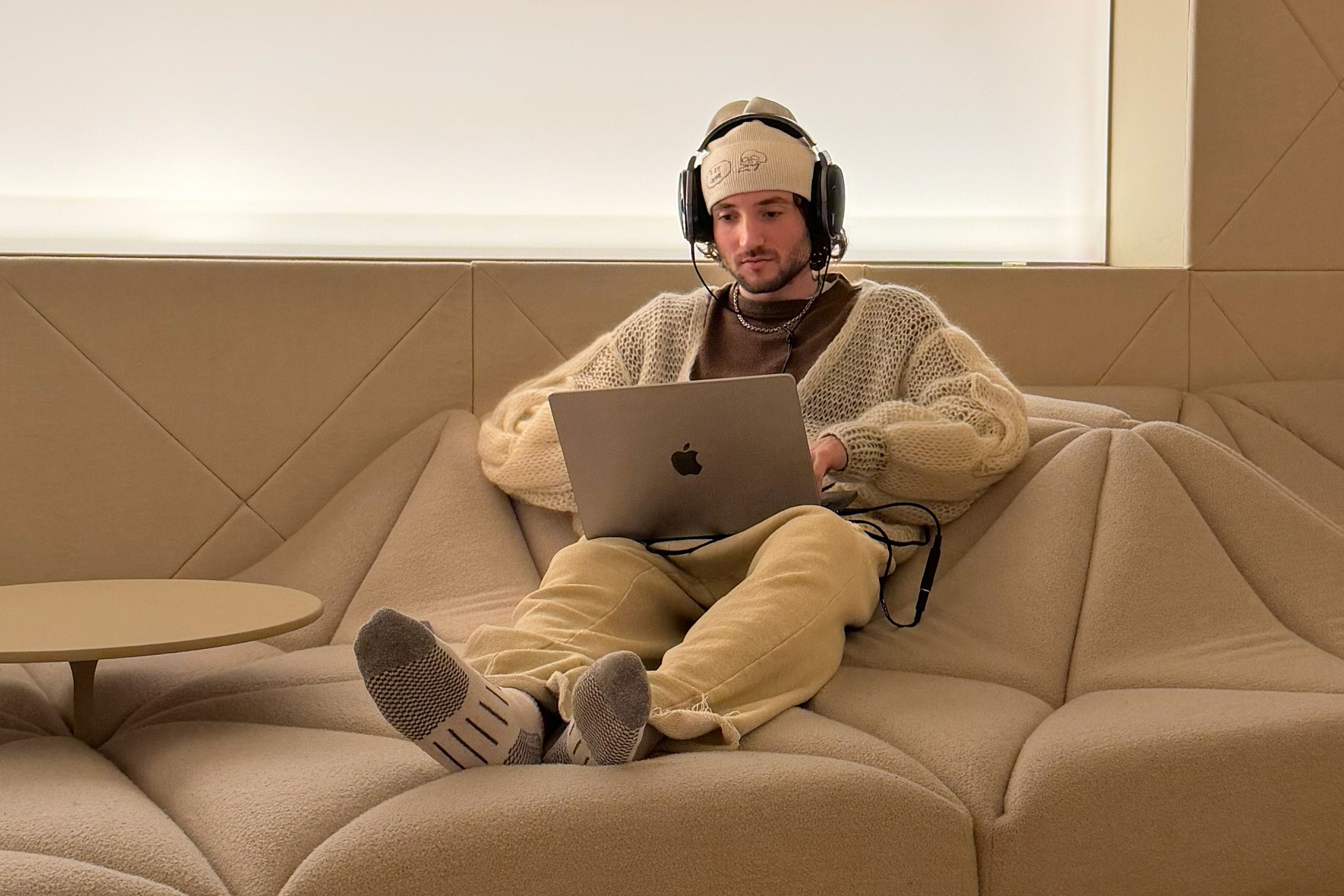
Studio Talks linked up with Arno Sugarman from Boysarerolling at his studio in Manhattan on April 4 for a conversation about his journey as a producer, from discovering FL Studio and finding his own sound to working with artists he grew up admiring. As part of the New York based producer group Boysarerolling, Arno has built an impressive catalog of credits and collaborations, led by his extensive work with Joey Bada$$ and including records with artists like ian, KayCyy, JT, and more. With strong momentum in New York and beyond, Arno continues to carve out his own lane as a producer. Throughout the interview, he reflects on the importance of collaboration, developing a unique creative identity, and why staying inspired, disciplined, and open to new sounds has been key to his growth.

"If you really want to do this, you have to be in it for the long run. If you stick with it long enough, I feel like it’s inevitable that you’ll get to where you want to go."
- Arno Sugarman
Can you share the story of how you first got interested in music?
I’ve always been around instruments growing up. My whole bedroom would be filled with violins and different instruments because my parents would keep getting them for me, and I’d always think, “Oh, this is interesting.” I guess I just had a natural affinity for it. I played drums for many years starting when I was really young, and I also played classical piano for a couple of years. None of it really ended up sticking, though.
Then I vividly remember being in the car with the hip-hop radio station on. They used to include the production credit in the song title on the screen, and I was like, “Who’s ‘prod.’? Why is ‘prod.’ on every hip-hop and rap song on the radio?” So I did some research, and one thing led to another. I discovered FL Studio, then I discovered 808 Mafia, and from there I was just like, “Wow, this is really insane.” I got into it around 2015 or 2016, and I’ve been doing it for about 10 years now. That’s how it came to be.
You said you’ve been producing for about 10 years now. What was the process like from learning FL Studio to getting your first placement?
In 2016, I was literally just messing around and trying to figure it out. I used to do Skype sessions with some guy who I think might’ve worked at Guitar Center or something. I would call in and be like, “Can you show me how to work this program?” I don’t know how helpful that really was, but it at least got me started. From there, it was just about doing it every day and trying to figure it out.
Then, about three years later, I met up with some local rappers and became friends with this one kid. We had this idea that we would pay for features, and that would be our way to get in the room with legitimate artists. It actually worked. This was around 2019, and it was the first time a real, established rapper got on something I produced. I think that was the moment where I was like, “Oh, wow. I think I can maybe do this as a career.”
It didn’t always work out perfectly, and I don’t know if that technically counts as my first placement because it was kind of pay to play. But from there, that got me at least a little bit of exposure. The right people heard it, and the next thing I knew, they wanted to do sessions. I feel like it’s usually a long road to getting your first placement. Some people get lucky, and I will say that a lot of the game is luck. You need a little bit of luck, and you need to be in the right place at the right time.
But if you stick with it long enough, I feel like you’re bound to make something happen. If what you really want is to work with artists and have songs come out with those artists, it’s bound to happen eventually. You just have to keep at it. For me, I got lucky, met the right people, and I did end up spending a little bit of money in the beginning, which, looking back, I don’t really recommend. But that’s just what happened.
So I guess technically my first placement came from paying for a feature, which is what it is. But it didn’t take much longer after that to not have to do that anymore. Artists started coming in and saying, “Oh, I really like the sound.” The hardest part is getting your foot in the door. Once you can get your stuff in front of somebody and they’re like, “Oh yeah, you’re actually dope,” then if you’re confident in your abilities, you’ll be good, no matter how you get there.
Who was the artist you got your first placement with?
The first person we ever did a paid feature with was Warhol.SS, and he was the nicest person. He’s a Chicago legend and a SoundCloud legend. He was so nice to work with, and I think he’s super dope. So he was literally the first person.
Then, about a year or so later, we did another one with Jay Critch. Funny enough, about a year after we did that paid feature, he reached out to us and said he’d love to do a session. He came over to our house, did a couple of songs, and ended up putting both of them out. So I’d say that was the first legitimate placement because there was no pay to play involved.
When you first open FL Studio, how do you usually start working on music? How do you like to structure your beats, and do you have a creative process you like to follow?
In the very beginning, about 10 years ago, it was completely on my own. I obviously took some inspiration from Lex Luger and the early 808 Mafia stuff, back when they were really running the trap scene. That was my early inspiration. But back then, I just had all these stock plugins on FL Studio, and I was like, “What can I do with this?” It was really like a blank canvas, and I was just trying to figure it out.
Now, I’ve found a group of really talented musicians, sample makers, and dope producers who inspire me every day. Usually, they’re giving me ideas, so I’m opening up the program with those ideas already fleshed out a little bit. With my percussion background, I do a lot of the percussive elements in the beats I work on nowadays. That’s usually the process, and it usually happens super late at night, in the early morning hours. My sleep schedule is terrible.
It’s a little different when you’re in the studio with artists because sometimes they require a certain approach, or they force you to get out of your comfort zone. I’ve worked with some incredible artists who love to do things in a specific way that might not be how I usually do it, but I love being challenged. I love trying new things with music because it keeps it fun and fresh.
So the process changes all the time, but most of the time I’m talking with my really talented producer friends. They’re constantly sending me things, I’m constantly sending them things, and we’re going back and forth. Sometimes I have an artist in mind, because that’s part of the job too. You have to send stuff out sometimes. So you might go into a session with something to work off of and think, “Okay, I have a vision. I have an idea. I can hear a certain person on this type of thing.” Sometimes that informs the process. But most of the time, it’s with my close group of producer friends who are super fire, and they inspire me to go crazy.
What are some of your favorite VSTs, plugins, or pieces of hardware that you use in your productions?
All my friends know that I use this plugin called Distructor in FL Studio all the time. I think it’s actually stock, and it’s really fire. There’s also this pitch plugin called AUPitch that comes with all Macs and Apple software. It’s such a simple plugin, but there’s something about it that I really love.
There’s this synth plugin called OB-E. I forget who makes it, but it’s super fire. It’s one of the coolest synth plugins I’ve found, and I’ve made some of my favorite beats using it. It has this sequence patch where you click something, and it basically spits out an original melody that’s fire. Then you can just build off of that. One of my favorite beats of all time uses one of those sequenced melodies.
OTT is a classic too. It’s a great compression plugin. I also love Cassette, which is a simple plugin with a cassette-style sound. Really, anything that gives your beats rich textures, artifacts, and character is my favorite type of plugin.
As far as advice, I’d say invest in effect plugins. You can turn almost any sound into what you want with the right effects. If you have the right effect plugins, I think you’re golden. I’d personally focus on that over something like Nexus. If you have the right effects plugins, I think you’re golden.
Speaking of your favorite beats, do you have a favorite production of yours, or one that’s especially close to your heart?
Totally. I’m someone who falls victim to recency bias, so a lot of the beats I’ve made most recently, I’m like, “These are the best.” But there are definitely a couple that stand out.
I’m really into psychedelic, washed out production, and going back to that OB-E plugin, one of my favorite beats of all time came from using it. I made it in LA about two years ago, and to this day, it’s still one of my favorites. I’ll listen to it and think, “Wow, this is still so fire.” I play it for artists all the time, and they’ll be like, “Whoa, this is crazy.” That one is special to me.
There are also a couple of beats I’ve made recently with this producer, owdji, that I really love. They have a certain sound that I haven’t really heard before. So a lot of my recent stuff is probably my favorite, but there are definitely some gems from back in the day too. Most of them have that washed out, indie, psychedelic feeling, kind of in the vein of Tame Impala or Radiohead. That’s my favorite type of stuff.
Is there one beat that stands out to you specifically?
One that stands out is this psychedelic jazz beat I did with a good friend of ours, Cyrus. That one stands out because I feel like when artists hear beats, they probably haven’t heard something like that very often. I certainly haven’t heard something like that too often either. I might be exaggerating, but it just feels really different.
I definitely want to play some of those beats for you, just so everyone can get a sense of what I’m talking about. I feel like I’m not doing the best job explaining it, but it’s anything that feels a little bit weird. Even if it’s not weird overall, maybe it’s melodically weird. I love stuff that feels different in terms of processing, arrangement, and texture.
For me, it has to have some kind of element that catches your ear, something you don’t hear all the time. That’s what I love.
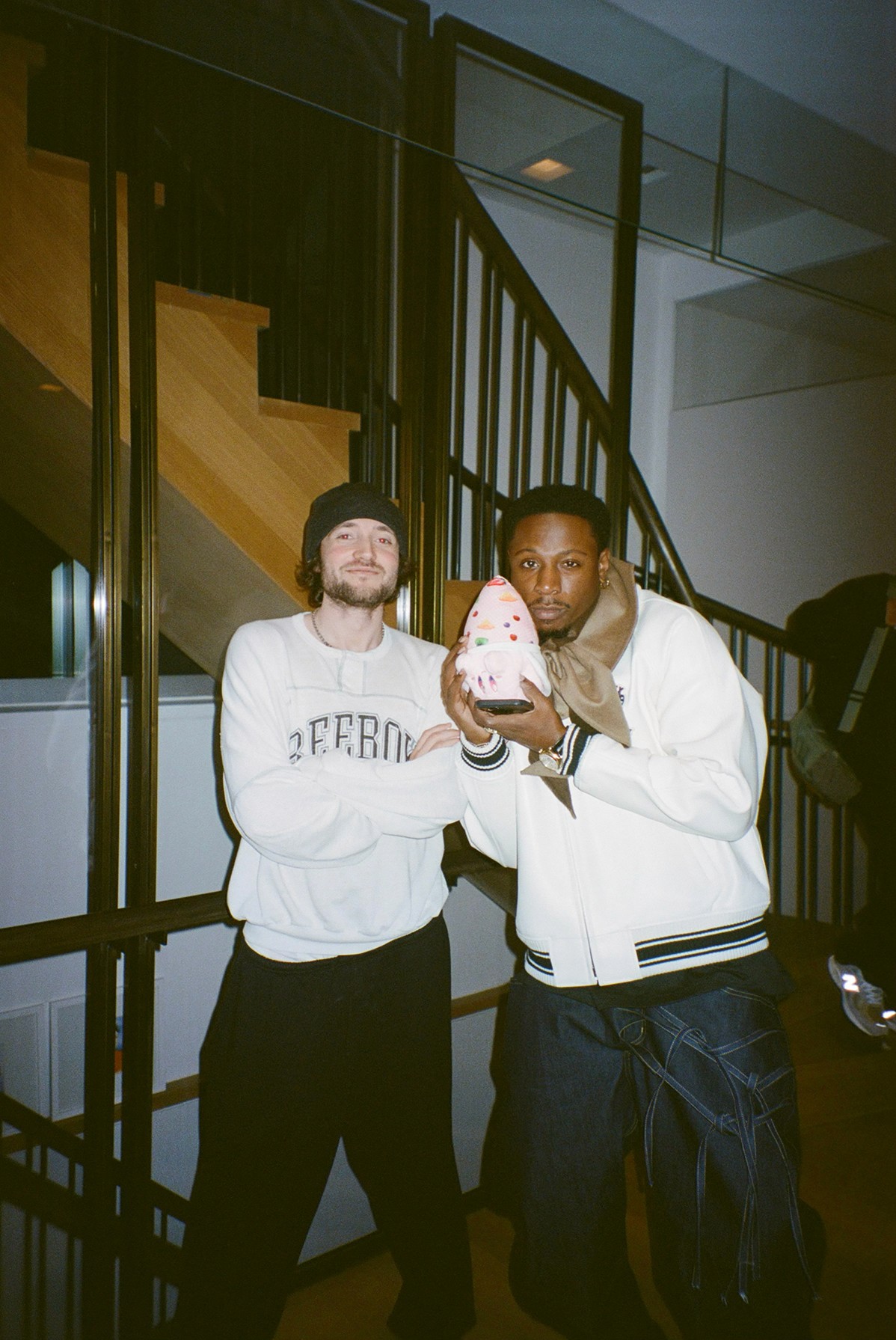
Can you share the story of how you first met Joey Bada$$ and how you guys started working together?
This is actually a really funny story. Shout out to my mom because she’s an amazing interior designer. One day, he randomly messaged her on Instagram and said, “I really love your designs. I really love how you go about your work. I just built this new house, and I’d love to have you help me with the interiors.”
I remember she came to my brother and me and said, “Hey, do you guys know this Joey Bada$$?” And we were like, “Yeah.” He was actually the first rapper I was really a fan of back in 2014 or whatever year it was. I remember just getting into high school, and he was literally the first rapper my brother and I were fans of and listened to religiously. So we were geeking out. We were like, “What the heck? You have this insane artist just cold DMing you because you’re the GOAT, I guess.”
Then she was like, “Maybe there’s a way we can all meet, and he can check out your studio.” She really blessed us, I’m not going to lie. That was just pure luck and her being an amazing parent. She brought him over to the house, they had a meeting, and she said, “You have to meet my sons. They have this amazing studio, and they’re really talented musicians.” So he came up for about 10 minutes, and we played him three things. He was like, “Hell yeah. Take my number. Let’s go.”
We got his number, and obviously we were excited, but we were also being realistic. We were thinking, “Is he ever really going to hit us up?” Then a month or two went by, and he was like, “Hey, I’m in the city. I’d love to record with you guys.” We were like, “Oh, snap. We have to get ready.” So we locked in, pulled up, and worked until super late. It was a great vibe.
I think we immediately clicked, both creatively and just as friends. We felt really comfortable with each other. That was in 2022, I believe, and we’ve kept at it ever since. We’ve dropped a healthy amount of music together, with more on the way, and he’s really been a blessing. He was the first very successful, established, and respected artist that we got to really lock in with, which is such a privilege.
It’s even crazier because he was someone we were listening to religiously throughout high school. It was a crazy full circle moment, and that’s one of the reasons I love being a music producer. You get a lot of those moments where you’re like, “Oh my gosh.” I’m sure other producers who get cuts and work with artists can say the same thing. There are so many full circle moments where you used to listen to someone, and you’re still a fan of them, but now you actually get to work with them. It’s really special. So that’s how it came about, through our mom being the GOAT, essentially. Then the rest is history.
What advice would you give to the new generation of music producers who are just starting out and want to work with great artists and get placements?
I would say, and I’m sure a lot of people have heard this before, but finding your own sound and figuring out how to separate yourself from the pack is incredibly valuable. The way I did that was just by sticking with the craft. You don’t have to go out of your way to find your sound, and you don’t have to force it like, “Oh my gosh, I have to be unique.” I think if you work on your craft long enough and find collaborators who really inspire you and push you to the next level, your own sound will naturally start to emerge.
That’s how I think artists will come to find you. They’ll hear something and think, “Oh my gosh, this person is doing something really unique that I haven’t really heard before.” A lot of established artists who’ve been making music for a long time are always looking for something new. They’re always looking to venture out. Maybe that’s not everybody, but from my experience, there are a lot of artists where you might have this preconceived idea that you need to make a certain type beat for them. Then you get in a session with them, and they’re actually like, “I’m looking to do something else.”
So if you can find your own sound, I think that really is important. Everyone says that, but I think it’s true. The way you do that is by finding the right people to surround yourself with, whether that’s artists, producers, or any kind of creative who inspires you and brings the best out of you. If you lock in with those people long enough, I think you’ll naturally come into your own sound, something no one else is really doing.
I could sit here and say, “Find an artist early and develop them,” but that’s like a one in one hundred thousand situation. It’s amazing when it happens, and a lot of the biggest producers in the world got there that way. They made a hit with someone who was relatively unknown, and they came up together. Obviously, that’s great, but I wouldn’t say it’s something you should go out of your way to look for. I think if you find people you’re genuinely inspired by, especially other producers, that can help take you where you want to go.
And definitely don’t give up. If you really want to do this, you have to be in it for the long run. That’s very important. If you stick with it long enough, I feel like it’s inevitable that you’ll get to where you want to go. It’s just a question of how long you’re willing to keep going while you’re not where you want to be yet, and while you’re struggling. I’ve been doing this for 10 years, and I still have a long way to go, but I love it. I love doing this so much that I don’t see myself giving up or doing anything else. That’s definitely important. You have to stick with it.
You already mentioned this a little, but what plans do you have for the rest of this year?
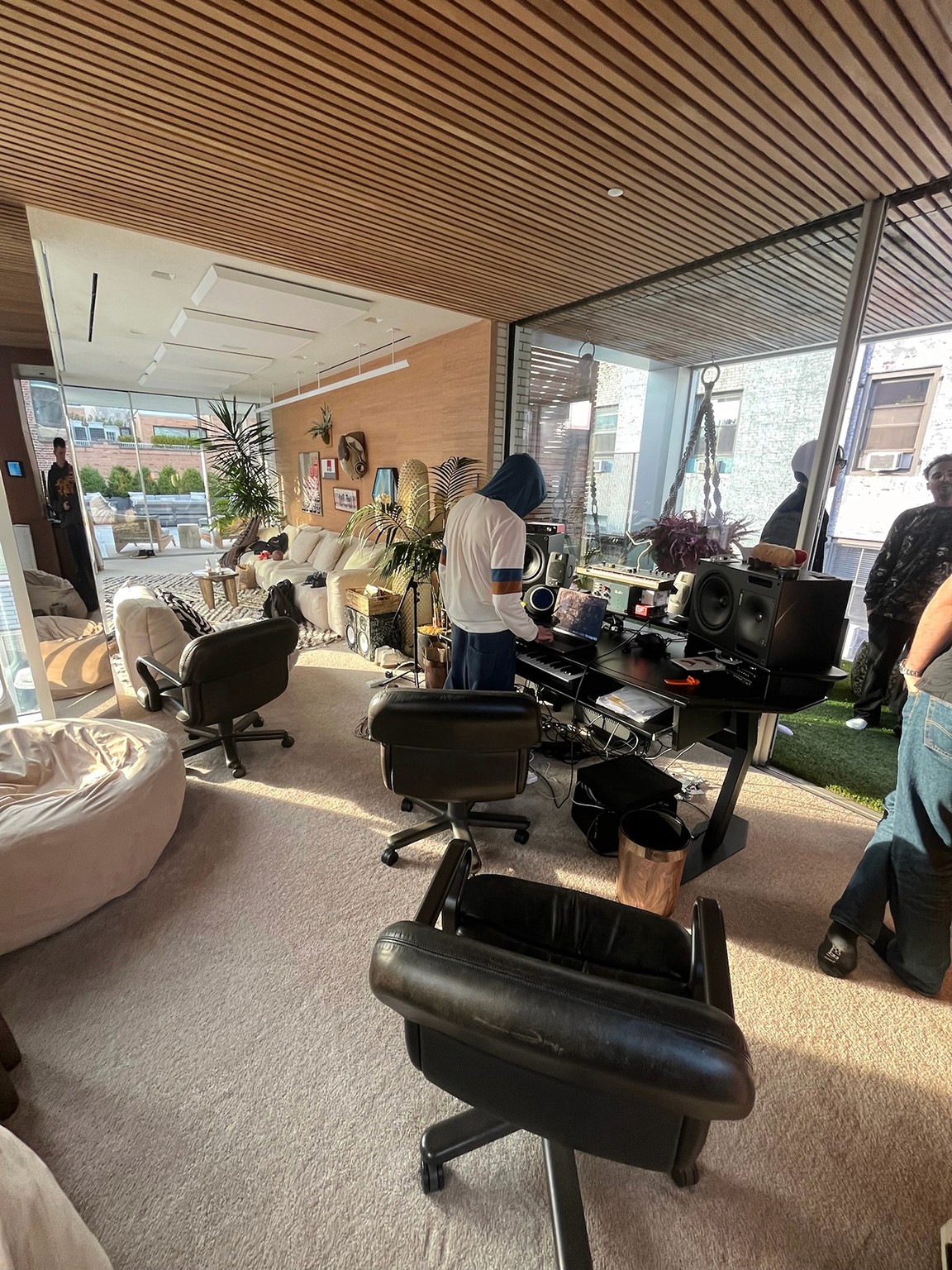
One of my plans is definitely to get this publishing deal done, which I’m super excited about. It’s with some amazing people, and I feel like they’ll help me take my career to the next level. I’m also moving studios and going to be living somewhere else in the city, so that’s exciting too. I’ll be living on my own. Those are the two big ones.
I also have some projects and albums that I’m working on. One of them is centered heavily around the psychedelic indie stuff, which is a space I see myself working in for the foreseeable future. I’m super excited about that one. It’s with a really dope artist, and it’s his album that I’m working on. There are also a lot of great projects that I’m getting hit up about that are still in the early stages of being put together and fleshed out. I’m just trying to get ahead of those and make the best music I can make. Hopefully, the music makes it out there.
That’s always the frustrating thing about being a producer sometimes. You’re sitting on a lot of what you believe are gems, and you just want to find the right artist who can help deliver them to the world. But I have faith that it’s all going to work out. Another plan for this year is definitely to be out in LA more. I have to start doing that. As much as I love New York and will always live here, I have to start going out there more. I’m also going to take a couple of trips to Paris this year for a project I’m really excited about. That’s coming together, and it’s potentially coming out early next year, in 2027.
So there are a lot of long-term projects that I’m getting started on with a bunch of different artists and creatives. I’m just trying to stay disciplined because it’s easy to think, “Oh my gosh, when is this stuff going to come out? Is it going to come out?” And if it does come out, it might be a year from now. Sometimes you have to just lock in and tell yourself, “Sit down every day and get to work.”
Obviously, it’s important to take breaks too. I think it’s important to travel and get out of the place where you spend most of your time, just to experience life. I think that’s a huge piece of it. I’ve always noticed that when you take a break and come back, the first couple of things you make usually feel like, “Whoa, this is really fire.” I can’t really leave music for more than a couple of days, but even taking a couple of days can help. Finding that balance between being disciplined and taking breaks is something I’m trying to work on this year.
In the meantime, I’m doing a bunch of sessions, which I love. It keeps me busy, and it’s really fun. I’m working with a lot of dope artists, and a lot of them are early in their careers, which is exciting. It’s a fun time to get involved because you can help steer the ship and sometimes take creative control. I think most producers deep down want to do that in sessions, but sometimes you also have to do what needs to be done. Those are most of the things I’m working on.
Who’s the artist you’re working on the psychedelic album with?
I don’t know if he’s keeping the project under wraps right now, so I don’t want to talk too much about it, but I think it’s really cool. I’m definitely stoked about that.
Since we’re in New York, I wanted to ask about the music scene here. For people on the outside who don’t live here or aren’t familiar with the city’s scene, how would you describe it?
From the outside looking in, New York is definitely seen right now as having a predominantly drill music scene. First, it was the hard-hitting drill sound, and then it was sexy drill, which is more of an R&B offshoot of that. I think that did a lot of good for the city at the time and brought a lot of eyes to New York. But at the same time, I feel like New York is so much more than that.
There are a lot of really amazing rappers who I’ve been put onto, and there are a lot of really talented people coming out of places like NYU too. New York has such a rich culture, and there are so many different perspectives here. So I would argue that there’s a lot more to the New York music scene than meets the eye. That’s one of my goals: to help bring that to light. If you’re in New York, you know that, but from the outside, it can look like we mostly just do drill, when I feel like the city has a lot more to offer beyond that. That’s not to hate on those genres at all. I just feel like there’s more to New York than only that.
A bigger goal of mine is to help make New York’s music scene the epicenter of music culture again. I think right now, it’s LA. Everyone goes to LA, everyone lives in LA, and everyone works in LA. But New York is the biggest city in the world for press runs. Everyone comes through here, and we should be giving them a reason to stay. So that’s a goal of mine, to help bring the New York music scene to life and get people invested in it long term.
My really close friends and I are making that a mission of ours. Maybe we’re a little biased, but I don’t think so. We think New York is the best city in the world, and the music should reflect that. That’s our goal.
Is there anything else you’d like to touch on?
I also think being around people who complement your strengths is incredibly important. A lot of people come across those producer Twitter accounts that say things like, “You’re not really him if you can’t cook up a beat from scratch in five minutes by yourself,” or, “If you don’t have solo beats, it doesn’t count.” And I’m like, sure, but collaboration is how the best music is made.
You take all the best parts and bring them together to create the whole. The potential for the finished product to be as good as it can be is just higher when you’re collaborating, getting different perspectives, and working with people who are really good at different things. I think that’s crucial. So it’s not just about finding your people, but also finding people who really bring the best out of you.
Follow Arno Sugarman on Instagram: @arnosugarman
More Blog Posts
See our latest blogs