Exclusive Interview
Produced by: Rudy Manager
Edited by: Rudy Manager & Andrej Aroch
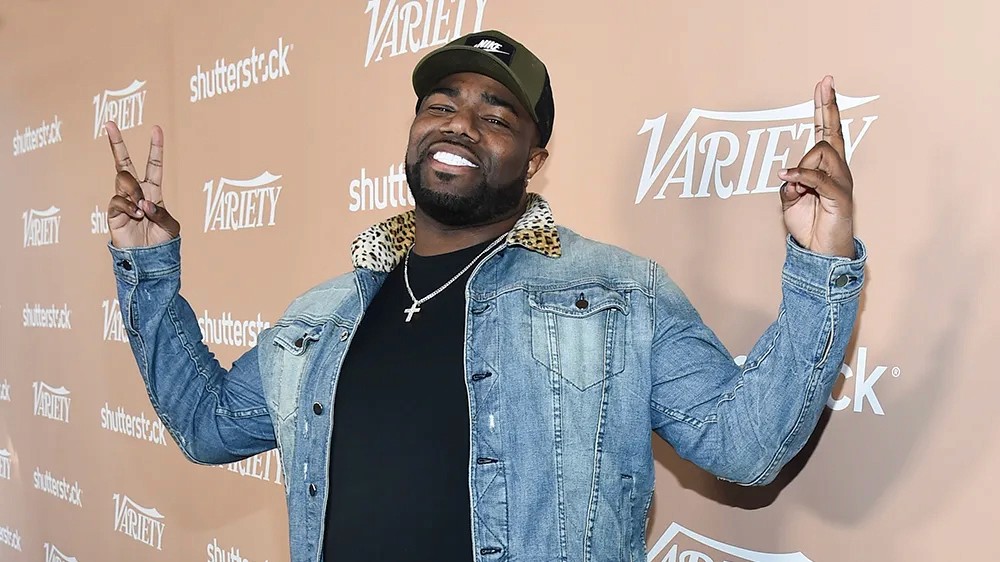
J. White - Hit Producer Behind Cardi B’s “Bodak Yellow,” Megan Thee Stallion’s “Savage” and 21 Savage’s “a lot”

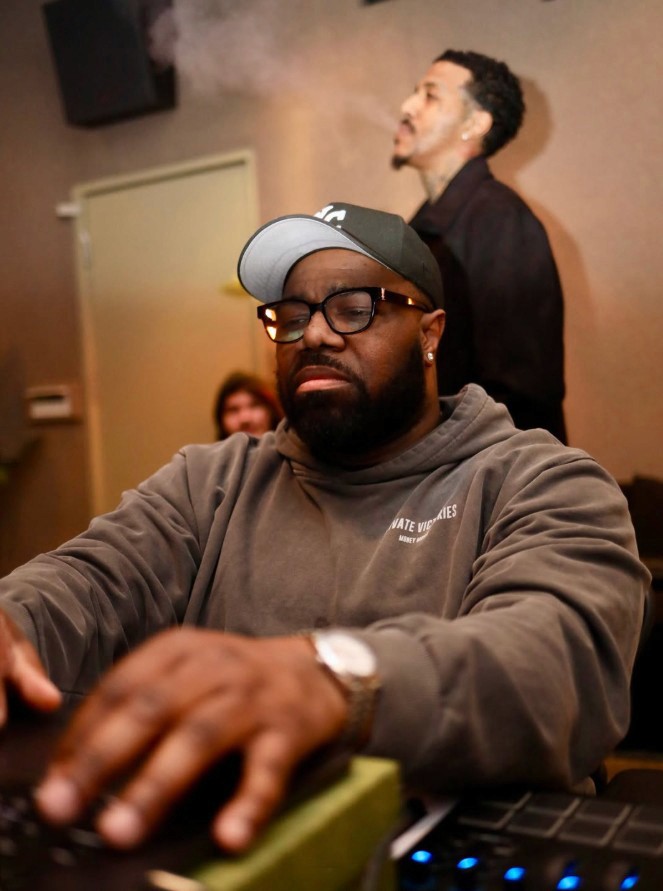
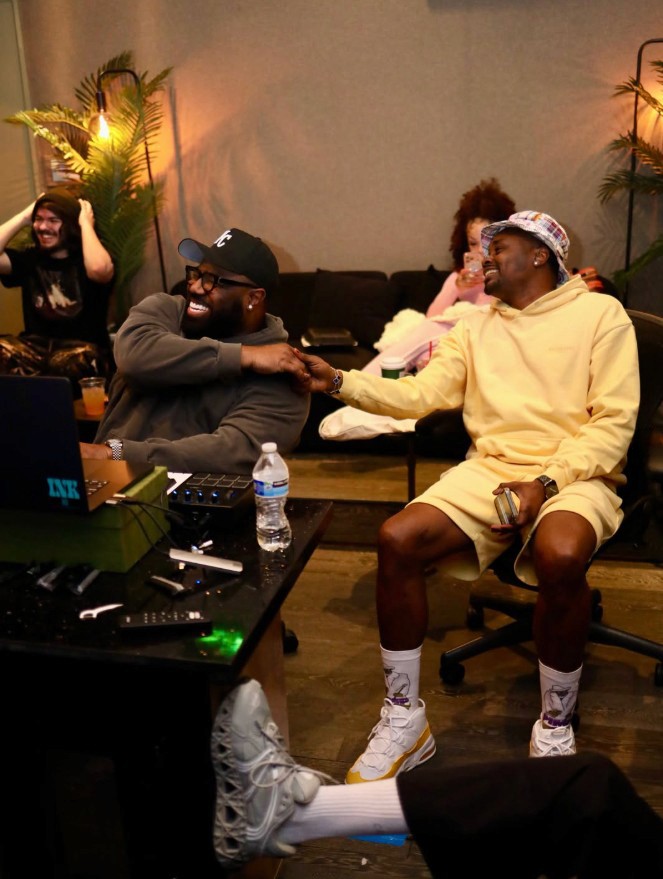
We connected with super producer J. White for an interview in LA on April 18 at the legendary Westlake Studios on Santa Monica Boulevard, where he was working at the time. Having produced some of the biggest hip-hop records of the last decade, J. White’s accomplishments speak for themselves. His production credits include major hits like Cardi B’s “Bodak Yellow,” Megan Thee Stallion’s “Savage,” and 21 Savage’s “a lot.” In the interview, he reflects on his early beginnings in music, the stories behind some of his biggest placements, his thoughts on the current state of the music industry, and his advice for the next generation of producers.

“I encourage you to start your own thing, push your sound, and fail as much as you can.”
- J. White
Can you share the story of how you first got interested in music?
I was born into music, honestly. It started in church for me. I was a drummer as a kid in church, and music was always around me. My grandma sang in a group, my mom can sing, my dad plays instruments, and my uncle played drums. I always looked up to my uncles, so I picked up the drums, and it’s really just been in me the whole time.
How did you transition into becoming a music producer?
It was a long journey. I went from being a kid banging on lunch tables to playing drums in church, and eventually my uncle got me a keyboard from RadioShack. When I got that keyboard, I thought I was going to be that guy.
I was 15 years old, and it was 2000. That was really my starting point when it came to becoming a music producer.
How did you improve your production back then when you first started on the keyboard? Did you have any mentors, or did you attend any kind of music school?
Honestly, I can’t read music in the traditional sense or anything like that, so everything came from what I heard and what I saw. At the time, my uncle was really my only mentor. He learned how to program on the RadioShack keyboard, and he would teach me. From there, I would just go into his garage every day after school or track practice and work until it was time to go to bed.
My uncle was my mentor in person, but Timbaland is the reason I started making beats. When I heard that Aaliyah record back in the day, it put something in me. I felt like I could do that same thing too. I would study Timbaland, Lil Jon, Jazze Pha, Juicy J, DJ Paul, and even Bangladesh. I studied those guys, and they helped shape my sound into what it is today.
What was the first song or artist you had the chance to work with, and how did that first placement come together?
My first mini placement came from selling beats to my people back in Kansas. They would come and buy beats from me for $200 every time. By that time, I had already gone to New York for a little while and then came back to Kansas. This was back in 2005, and I had that mindset of, “Man, I’ve been in New York now.”
They told me they needed a feature for one of their songs, so I picked up a magazine and threw it on the floor. I said, “Pick anybody you want from that magazine, and I can make it happen.” I was talking big, but one of them said, “Can you get Juelz Santana?” I said, “Easy. Done.” Then they left, and I had to start making calls like, “Yo, do you know anybody who can get Juelz Santana?”
Long story short, Juelz Santana was the very first professional artist to get on one of my tracks. From there, I thought, “Man, I’m the next big one.” That was my first big moment, having Juelz Santana get on one of my tracks.
How do you usually approach working on a song from scratch when you first open your DAW?
Honestly, my process can be anything. Every day is a brand new day, so I don’t really have the same process. I’d get bored with that and want to do something different. Sometimes I’ll take my laptop out and get straight to it, but other times I might want to play some music first. I might play James Brown to get inspired, or I might go on TikTok just to see what young people are doing, what’s happening, and what type of energy I can pull from.
Every day is different, so I don’t have one exact routine. I don’t need to light candles or do the same ritual every time. It’s really whatever I feel that day. Sometimes I might fly to LA with clothes, but then I won’t feel like wearing them because that’s not the energy I’m on. So I’ll go to the mall and buy some new clothes because that’s what I feel like that day. Sometimes I’ll come in here, take my laptop out, and just talk and chill for two hours. It really just depends on the energy I’m feeling.
What makes a great song or a great beat to you?
The song is what makes the beat great. But if we take the song away from the beat and just focus strictly on the beat itself, then it’s about how that beat makes you feel. If it feels good, no matter how fast or slow it is, that’s what makes it great.
I feel like “Bodak Yellow” is a great beat. That beat just makes you feel something. So for me, it’s about having the right sounds. Not a lot of sounds, but the right sound placement. That’s what makes it great. Sometimes the greatest moments come from mistakes too.
Can you share how “Bodak Yellow” by Cardi B came together from your perspective?
I was broke, I was out of it, and I didn’t really have anything going on at the time. “Bodak Yellow” came from a place of desperation, at least as far as the track goes. Me, Cardi, Shaft, the team, and everybody else had been trying for so long to get a record to pop, and “Bodak Yellow” ended up being a beautiful mistake.
The track was a lot slower at first than what everybody hears now. I remember I was in the basement making beats, and I was working on some R&B stuff. My guy was like, “Cardi isn’t on that. She wants something harder.” I was like, “She didn’t say that,” but later she told me she did say that. I was like, “Oh, you did say that?” But that’s what made me start making the beat right there
When I made it, it just felt special. It was so organic, and it came together with no real effort. It just happened.
When you made the beat, did you know right away that it was special, or did that feeling come a little later?
Yeah, I knew the song was special. No lie, I was so broke at the time. I’ve never even said this in an interview before, but I was trying to sell that beat before everything happened because it was taking so long. I didn’t know what was going on, and I really needed some money.
Even though the song was being worked on, I was still like, “Man, I need some money, and this beat is so special.” I knew when I made it that it was going to do something. I didn’t know it was going to do what it did and eventually go diamond, but I knew there was something magical about it.
Do you have a personal favorite song you’ve made throughout your career that stands out to you for any reason?
I do have a personal favorite song. I’d say “Savage” with Megan Thee Stallion because I made that song for another artist, and that artist didn’t take the record. Then I played the idea for Meg, and she heard it and loved it.
I feel like that was a record I got to take from start to finish and watch go to number one. It really helped us during COVID too. It became one of the biggest TikTok songs of the decade, and everybody was doing the “Savage” dance. That song will always hold a special place in my heart. The remix also had the Queen, Beyoncé, on there, so that made it even more special. It’s one of my favorite songs of my career so far.
What advice would you give to the new generation of music producers who are just starting out and want to work with established artists and get placements?
My advice to young producers and beat makers who want to reach an established artist is not to focus on getting to a big artist. I want you to work with somebody you believe in, and somebody who believes in you. My biggest song, the one that changed my life, was “Bodak Yellow,” and we all came from the bottom together.
I encourage you to start your own thing, push your sound, and fail as much as you can. Fail with somebody you believe in. I don’t believe that a placement will automatically change your life because I had placements before “Bodak Yellow.” I had worked with other artists before “Bodak Yellow,” and it didn’t change my life. I still had a job at the same time.
But when you believe in yourself, believe in what you’re doing, and believe in an artist, put everything into that. Put all your eggs into that basket because that’s what I did, and it worked. You’ve got to fail forward. If you fail forward, you’ll go up.
What’s your opinion on the current state of the music industry, specifically rap and R&B?
I feel like the music industry is at a crossroads because AI is here. It’s one of those things where it’s like, “Do I marry it or do I not marry it?” I might not like it, but it’s not going anywhere. So when it comes to R&B and hip-hop, I feel like hip-hop is at a stage where we’re trying to find ourselves again.
I’m not saying there isn’t good hip-hop out there, because I believe there is. I just feel like it hasn’t fully found its way back to the top in the same way yet. My manager actually said something to me yesterday that made me think, because hip-hop is still one of the top streaming genres. People are still listening to it, and it’s still at the top. But even with that, I feel like we can still be more creative. I love that young people are still pushing it forward, but musically, with my ear, I challenge us to keep pushing the ideas further and keep making better songs.
When it comes to R&B, I love R&B music. I feel like R&B just needs to keep getting opportunities to shine, and when those opportunities come, artists have to make the most of them. Look at Kehlani. That’s a beautiful R&B song with “Folded.” I love that R&B is getting its proper due again, and I just feel like we need more of it. More R&B, more hip-hop.
What’s your opinion on AI in music production?
I absolutely don’t like it. I hate it so much. That’s just my personal opinion. But I’m not going to get left behind at the train station either. AI isn’t going anywhere. It’s here to stay.
Timbaland broke something down for me on my boy’s Gumbo platform. He told me to use AI as a tool and apply it to what it’s good for. Once you start to accept that, it’ll be better for you. So I’m still working my way through that right now.
Like I said, it’s almost like a little brother, where I’m like, “Move, I don’t want to deal with you.” I love imperfection, and AI doesn’t really have that. Imperfection is perfect to me, and I don’t like things that are too perfect. “Bodak Yellow” wasn’t perfect. That beat wasn’t perfect. There were mistakes in that beat that people don’t know about, but I do, and that’s what made it special.
That’s what AI can’t do yet. I don’t know if it will eventually, but right now, I don’t think it can make those imperfect songs or tracks in the same way. Still, I feel like AI is learning it, and we’re all still learning AI. I’m willing to take that step in the right direction.
What kind of music do you listen to when you’re not in the studio, whether you’re in your car or just relaxing?
Musiq Soulchild. I listen to a bunch of neo soul music, honestly. Surprisingly, if I didn’t produce a hip-hop song, I’m probably not going to play it. I don’t really play that type of stuff. In my car, you’re going to hear some neo soul, some R&B, and some old school R&B. Mainly just R&B music, with a little pop here and there.
I still love NSYNC, I still love the Backstreet Boys, and I love the Spice Girls. I’m into pop music in general and R&B. So if you rode in the car with me, you might be like, “Wait, you know Chumbawamba?” But yeah, I still play all that stuff to get inspired for what I do on the hip-hop side because it gives me a different approach.
What plans do you have for the rest of this year, both personally and professionally?
My personal plan this year is to stop avoiding people and stop avoiding things I need to address. That’s my number one thing, and I’ve been doing pretty well with it this year.
Professionally, it’s super simple: more hits are on the way. I just want to keep making great records and keep being me. That’s it.
Follow J. White on the Boards on Instagram: @jwhitedidit
More Blog Posts
See our latest blogs