Exclusive Interview
Produced by: Rudy Manager
Edited by: Rudy Manager & Andrej Aroch
Bandplay – Producer Behind BigXthaPlug, Young Dolph & Key Glock
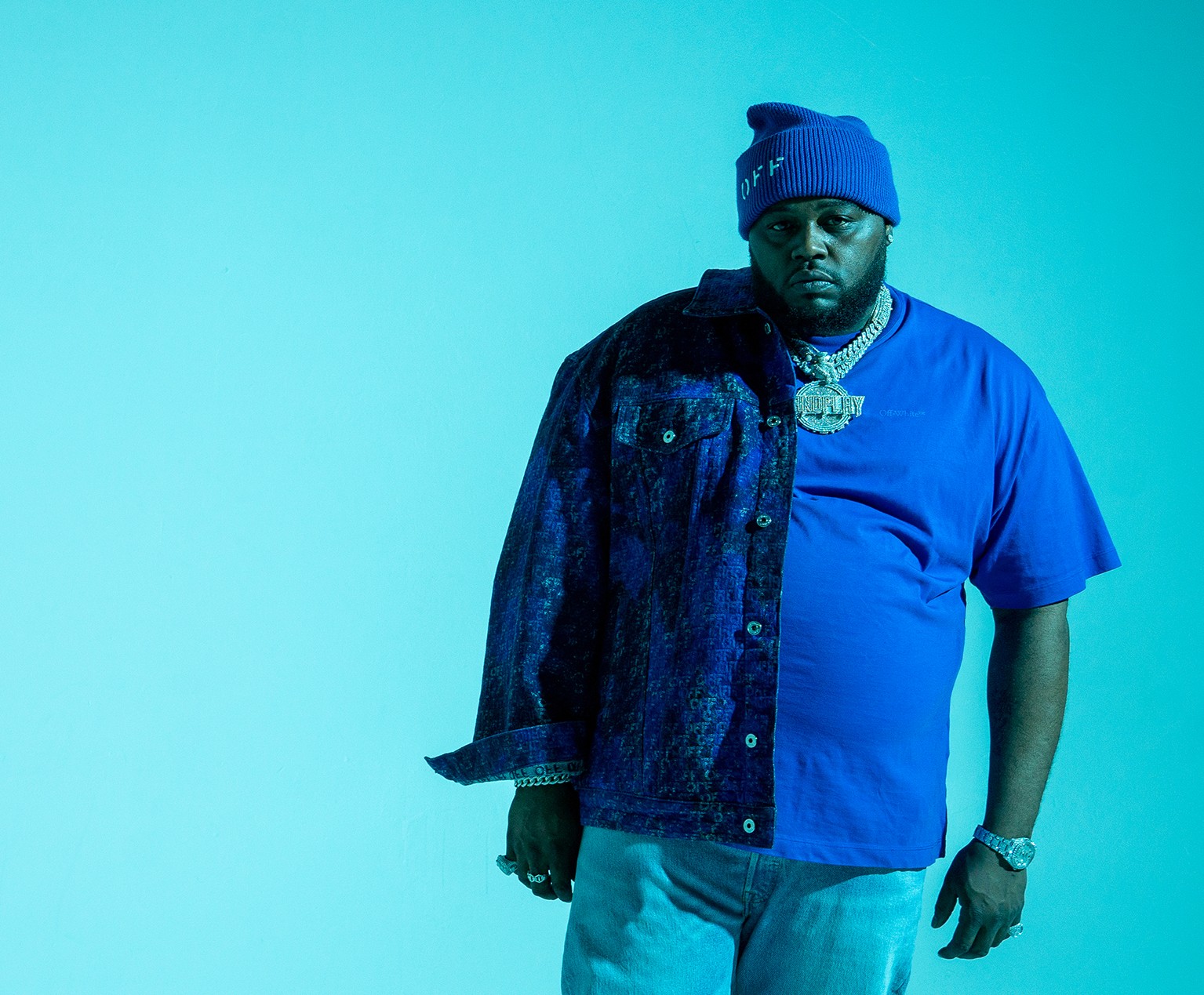
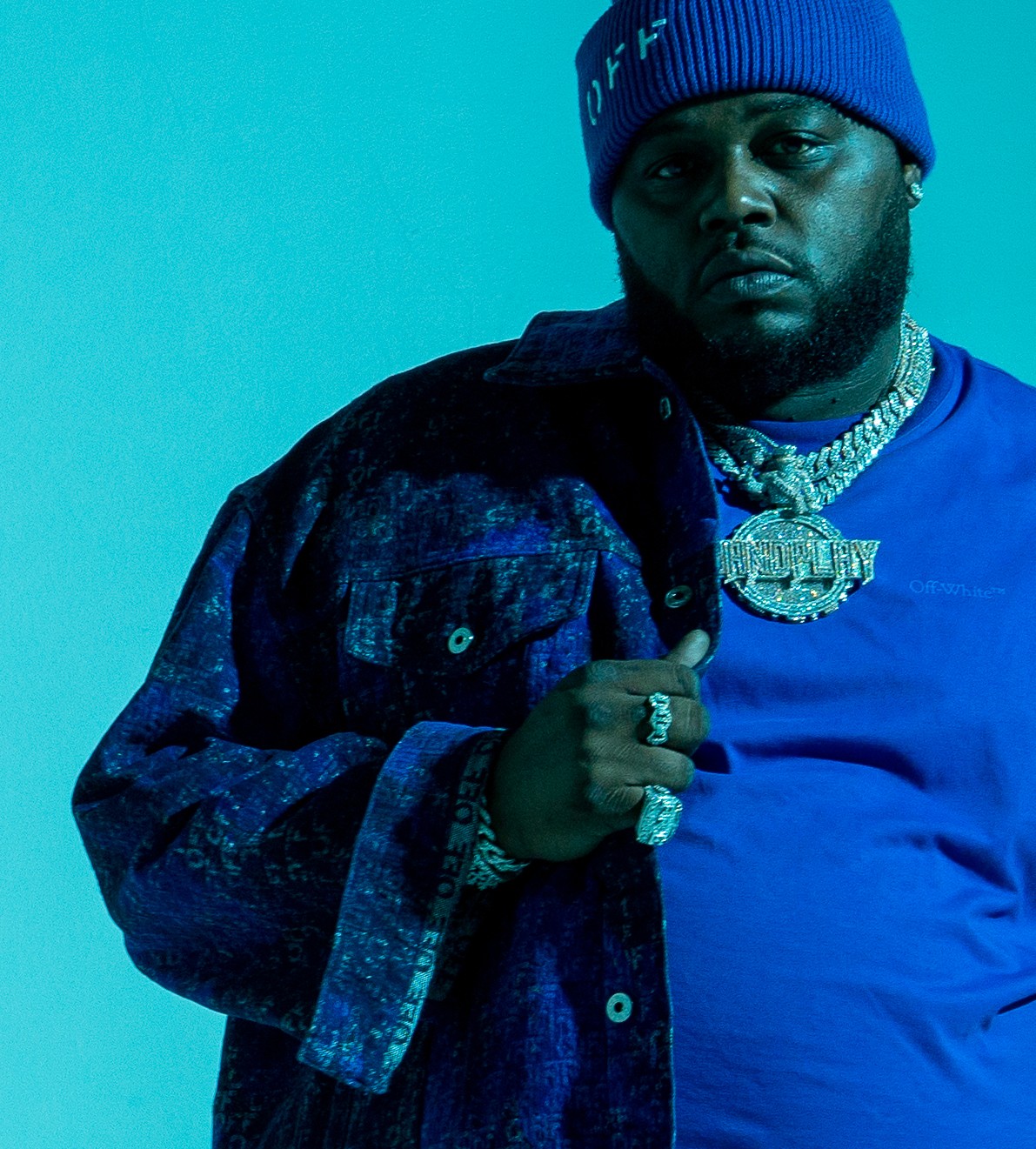
Bandplay is a key architect behind standout records for BigXthaPlug, the late Young Dolph, and Key Glock, with a signature sound that remains prevalent on the charts. In this exclusive Studio Talks interview, he opens up about his beginnings in music, creative process, and favorite tools, shares how he first connected with BigXthaPlug and the tracks that mean the most to him, and offers advice to the next generation of producers. This interview was conducted via video call by Rudy Manager on November 13, 2025.
“Always remember that originality matters.”
- Bandplay
Can you share how you first got interested in music and how you transitioned into music production?
Growing up, I was always around music through my family, friends, and church. I was blessed to be around people who made music, so I could mess around with instruments and learn by watching. I started making beats and experimenting when I was about eight. By 14, I knew I wanted to focus on making beats. That’s when I got serious and started learning how everything worked and how to do it the right way.
What was the first DAW you started with?
I started out on keyboards and did things that way at first. But the first DAW I really picked up was FL Studio. That’s the one that got me excited about making beats and really pulled me in.
What was your process for improving when you first started using FL Studio?
Honestly, it was a learning curve. Back then, there weren’t many tutorial videos on YouTube, so I had to figure things out the hard way, practicing on my own. I had a few people around me who also used FL Studio, and they showed me some tricks here and there, but most of it was self-taught. Each time I opened it, I learned something new, whether it was creating a new sound or finding a better way to work.
How do you approach an idea from scratch when you open your DAW?
It really depends on how I’m feeling that day. Sometimes I’ll start with the drums. Other times I’ll begin with a melody. It’s all about the vibe and the energy I’m feeling in that moment. There are lots of ways I might approach a beat, but most of the time I start with the drums and build everything else around them to bring the idea together.
Do you have a creative routine where you work at a set time each day, or does it come naturally? Do you listen to music before getting in the zone?
It really just comes naturally. I don’t try to force it. Some days I go to the studio and spend the day working on beats or new ideas, but other days it’s more spontaneous. I might wake up, hear a tone, and start humming it in my head. That could push me to make a beat right then, or I’ll store it in my mind, record a voice note, and come back to it later. Inspiration really comes from everywhere.
What are some of your favorite VSTs or synthesizers?
I’ve got a few favorites. I like Pigments. That’s one I use a lot in FL. I also like Kontakt, especially some of the patches when I’m going for a more realistic sound. Keyscape is great for pianos, and I really like the Roland stuff too. Omnisphere is another one I use a lot, and I’ve been experimenting with the new version. I also use Arcade to add a little extra spice to a beat. I’m kind of all over the place with it.
Do you also work with synthesizers or other hardware?
I used to work with hardware a bit. I had a few synthesizers and keyboards, like the Fantom, but these days I mostly work in the box. Every now and then, I’ll use the MPC to get a different sound or chop up samples, depending on the project. Most of the time I stay in the box and focus on mastering what I already know.
Do you prefer working with artists directly in the studio or sending them music?
I definitely prefer working with artists in the studio so we can catch that vibe and create the record we’re aiming for. It’s harder when you’re just sending beats out and hoping they’ll listen or that it’ll turn into a placement. Sometimes that approach works, depending on the artist and how committed they are. But being in the studio together is different. You can bounce ideas off each other, and that’s when you get the best results.
What advice would you give to the new generation of producers who don’t have experience working with artists in the studio?
Always remember that originality matters. Don’t go into a session thinking just because you know the artist and their sound, that’s exactly what they want. Artists are usually looking for something new and trying to top what they did last time. Be confident in yourself, but don’t overstep. Everyone in the room is an artist, so wait your turn. When the opportunity presents itself, step up and take the floor.
In your opinion, what makes a great trap beat?
A great trap beat is all about energy. It’s about grabbing someone’s attention in the first five to ten seconds. If you can catch them right away, you’ve got something special. That goes for any beat, but it’s especially true for trap.
What do you think about AI in music production?
I don’t dislike it. It’s pushing the bar for the next generations, and it’s here whether we like it or not. You can either be part of it or get passed by. I’ve been experimenting with it for the past two or three years, trying ideas and working it into my music, and it’s worked. I like it a lot. I’m curious to see how much more advanced it gets, and I just hope it doesn’t put me out of a job.
Can you share the story of how you first connected with BigXthaPlug?
Yeah, sure. I was on tour with Key Glock when I met Big X. One of Big X’s booking agents, Kyle Carter, approached me and said he had an artist from Texas he wanted me to work with and felt my sound would fit really well. I tapped in, listened, and liked what I heard right away. I told Kyle to set it up and sent X some beats. From that pack, he rapped on one and put it on the deluxe edition. We met later during the tour when he opened a few shows for Key Glock in Texas. We exchanged numbers, kept in touch, and built a rapport. That’s how we got to where we are now.
Do you have a personal favorite song you’ve made with Big X?
Man, that’s a tough one. We’ve done so many together that I really love. One of my personal favorites is “Mmhmm,” our second record we put out. It’s triple platinum now and still doing its thing. I’d say it’s one of my biggest records to date. Another one I really like is “All The Way” because it sits right in the middle. It’s a great crossover record that has legs and keeps growing. I love everything we put out, but if I had to pick, those two would be my top picks.
What advice would you give to new producers starting out who want to get placements and work with established artists?
Keep cooking and keep trying to be different. Try to connect with someone you trust who understands your sound and can help push it forward. That could be another producer you look up to. Send out your sounds, like loops or ideas, to get your foot in the door. Be consistent with your craft and clear about what you want, and opportunities will come. I still work like I have nothing, even with the records and placements I have. Just keep working. That’s all you’ve got to do.
Are there artists you think deserve more recognition from fans?
There are definitely a lot of artists who deserve more recognition. I don’t really want to start naming names, but in due time, everything happens the way it’s supposed to. Some artists have already had a record and are waiting on the next one to hit. A lot of that comes down to how fans receive it and timing. You never know who’s going to take off next. I feel there are a few artists who don’t get the credit they deserve, and that’s true for producers too. The main thing is to keep working and keep putting out music because eventually it’ll come back around the way it’s meant to.
Where do you see yourself a year from now, personally and professionally?
A year from now, I plan to be healthier than I am today and keep pushing toward it. I want to keep building records and add more ideas and tricks to my bag. I’m focused on living well and providing for my kids. That’s my focus in my career and personal life. I just want to keep raising the bar.
Follow Bandplay on Instagram: @iambandplay
More Blog Posts
See our latest blogs