Music Business
Produced by: Rudy Manager
Edited by: Rudy Manager & Andrej Aroch
Jackson Mumford - Building Producer Careers Beyond Placements
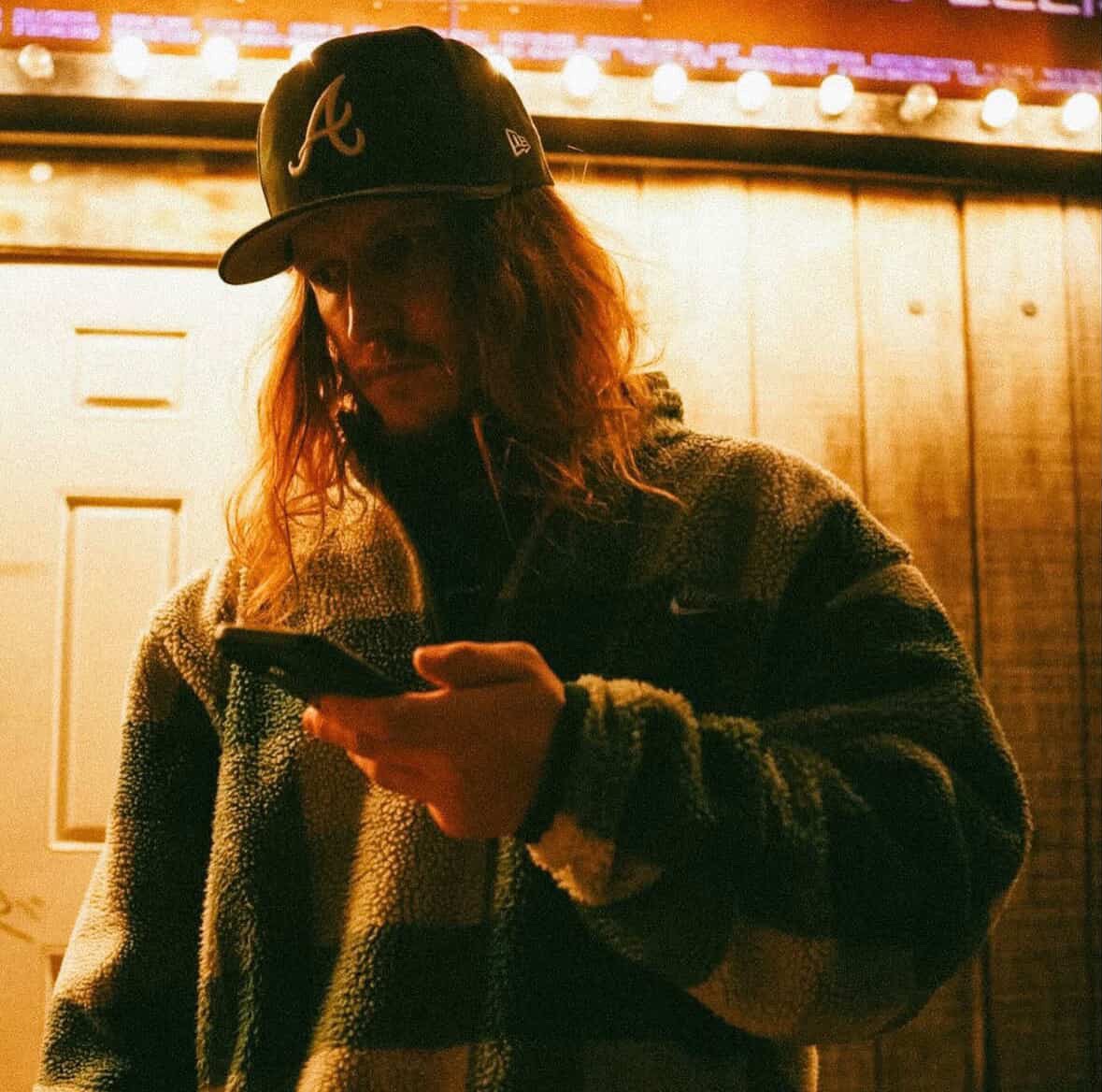
Studio Talks connected with music manager Jackson Mumford for a conversation about his journey into the music industry, his perspective on the current state of rap, and the work he’s doing through Airwaves Atlanta to support producers, artists, and songwriters. In this interview, Jackson reflects on the importance of relationships, branding, and business knowledge for emerging producers. This interview was conducted by Rudy Manager via video call on February 18, 2026.
“You have to see yourself as a brand, not just someone behind the music.”
- Jackson Mumford
Can you give us a brief introduction for people who might not be familiar with you or your work?
I’m Jackson Mumford. I co own Airwaves Atlanta, and I’ve primarily been managing producers for several years now. We’ve also expanded into the publishing space, helping artists, producers, and writers across all sides of the business. That’s really the gist of it all. There’s obviously a lot more to it, but it’s been great and I genuinely enjoy what I do, so that’s me.
How did you first get interested in music, and how did that eventually lead to you building a career in the industry?
It really started after I left college. I played college soccer, and when I finished, I didn’t know what I wanted to do. Around that time, my friend Austin and I started a brand in Orlando where we sold clothes and threw shows. That experience sparked my passion because I loved discovering new music and naturally leaned into the business side by handling the website and logistics. Not long after, I started blogging on the same site, which led to opportunities with other blogs, including Daily Chiefers, where I met people involved in A&R and management. Seeing what they were doing made me realize there was more for me beyond blogging or events.
Through interviews and time spent in studios, I began meeting producers, especially in Atlanta, including David Morse, Raf, Bakkwoods and others, and eventually connected with my business partner Jamie Davis. He had already founded Airwaves Atlanta, and together we decided to build it into our company with me coming in as a co-owner. From there, it was years of trial and error, learning the business and focusing on building a strong roster while doing great work for producers. My love for music had always been there from a young age, and over time that curiosity and passion naturally turned into my career.
What’s your opinion on the current state of rap, and where do you see it evolving over the next few months or years?
I think it’s good. I really enjoy where rap is at right now, even though I know there are different opinions out there. You can look at recent releases from J. Cole and Don Toliver, both of whom did really well with their albums, and I loved those projects. Even A$AP Rocky’s recent album was solid. Beyond the mainstream, the underground scene is full of incredibly talented and fresh artists. Some things might sound similar at times, but that’s always been part of hip hop, and I still find plenty to be excited about.
I’m a fan of music in general, so while hip hop is my foundation, I also work across R&B, pop, country, and even electronic. I’ve seen hip hop producers move into other genres and do great things, which I love. To me, hip hop isn’t going anywhere. Trends shift and other genres might take the spotlight for a moment, but hip hop always comes back strong. The next generation is really impressive. Every week I’m discovering someone new, whether through submissions, A&R calls, or recommendations, and I’m constantly surprised by how good the talent is. So overall, I think the genre is in a strong place.
Which artists or producers do you think people should be paying more attention to right now?
Apollo Red is someone we’re very high on, and I love working with him. Our roster has been involved in his project through Bakkwoods. I also really like DALEXA. She’s super talented, had a strong record last year, and it’s been great seeing her stay consistent and grow. iyrus is another artist I’ve been really into. He just opened for SoFaygo and dropped a solid EP that I’ve been playing front to back.
On the producer side, Franxo stands out. He worked on EsDeeKid’s “Ferragamo” early on and stays very tapped into the overseas scene. Tjay, a duo of Jack and Trey, are also incredibly talented. Y3RIP continues to impress in the underground, and Silo is really building momentum right now, with meaningful love doing strong numbers. I like that he’s both a producer and an artist.
Outside of hip hop, Duke Jones in the country space is someone I believe has a high ceiling, and in R&B, D Scott is a newer artist I’ve worked with who I think is really talented. Those are a few names that come to mind, but there’s always so much great music being discovered.
What advice would you give to new producers who are just starting out and want to work with established artists while building their own brand?
I’d say the biggest thing is to be genuine and be yourself. It’s great to take inspiration from others, but you should filter that through your own creativity. Artists are often looking for something fresh, whether that’s a new sound, a different sample, or a unique approach to production. I can’t tell anyone exactly what that difference should be, but leaning into your individuality and trying new things will always matter. At the same time, you also have to be realistic. You can’t come in expecting everything overnight. You have to earn your stripes, put in the work, and show growth over time.
Beyond the music, relationships are everything. People can sense when something feels forced or robotic, so building real connections goes a long way. I always think about something one of our producers, Michael Carroll, once said. He likes to meet people first, grab coffee, have lunch, or just hang out before even getting in a session. That kind of connection breaks the ice and creates common ground, making collaboration feel more natural. At the end of the day, this is a relationship driven business. You’re going to keep seeing and working with the same people, so being genuine, building trust, and connecting on a human level is very important.
Do you see any common mistakes new producers are making nowadays?
I think mistakes are just part of the journey. Everyone makes them, and they’re often the best way to learn. One thing I see a lot is producers not being realistic about where they or the artists they’re working with currently stand. It’s important to understand the context behind a song, a placement, and the overall relationship, since every situation is different and expectations need to align with that.
On the business side, a common mistake is not understanding how to properly collect income. There are a lot of moving parts, from master royalties and SoundExchange to publishing, splits, and PRO registrations. It won’t figure itself out, so producers need to be thorough and make sure everything is set up correctly. The work doesn’t stop after a placement, and there’s often money left uncollected if the back end is not handled properly.
As things grow, some producers can manage this themselves while others benefit from having a manager. It really depends on workload, but either way, understanding the business side and staying organized is key.
What are some effective ways producers can market themselves and stand out from others?
I think branding is one of the biggest things for producers today. You have to see yourself as a brand, not just someone behind the music. Interviews, content, and storytelling all help create an organic narrative around who you are and what you’re doing, which naturally leads to more people wanting to work with you.
Using social media well also matters. Beat breakdowns, behind the scenes moments, and partnerships can showcase your personality and process, even if you prefer to keep certain details private. It’s really about building visibility and a clear identity.
Another major shift is producers stepping into artist roles and becoming co primary artists on releases. That move has helped many producers build stronger recognition and ownership, and it has been a powerful evolution for the producer community overall.
What has been your proudest moment in your music career so far?
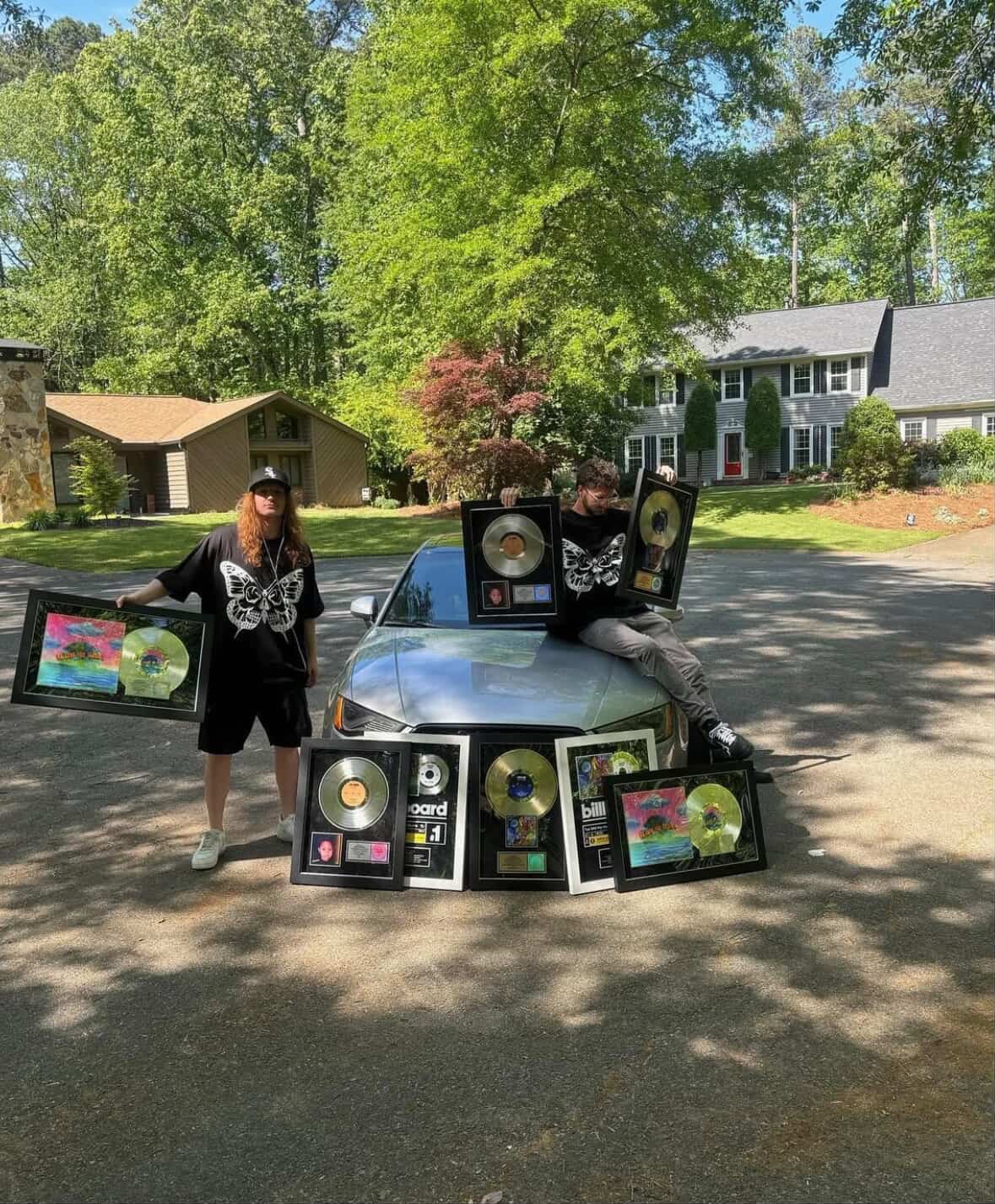
Honestly, my proudest moment is simply being able to do what I love every day and provide for my family through it. I worked a lot of different jobs while trying to get this off the ground, so being able to wake up, step into my office, go to studios, have meetings, and build something around music means the most to me. The plaques, billboards, and achievements are all great, but the real reward is having a career that I genuinely enjoy.
At the same time, it’s hard work. My phone is always going off, emails are constant, and staying organized has become a big part of it. I had to learn to treat this like a real business. When I finish a day and realize how much I’ve accomplished, even on tough days, I still feel grateful that I get to wake up and do it again. That’s what makes me the most proud.
What plans do you have for the rest of this year, both personally and professionally?
Professionally, we’re focused on continuing to grow our roster. The management side has expanded a lot, and we have some incredible producers, both established and up and coming, who we’re excited to keep developing. Our approach is always strategic and intentional, helping each client build their business and career in the direction they want. On the publishing side, we’re also growing that roster and working closely with our admin partner to make sure our producers are collecting everything they deserve. Beyond that, it’s really about being part of great music and continuing to support it.
Personally, it’s about finding balance and spending quality time with my family. I’ve learned that while the work never really stops, it’s important to step away and be present with my family. There are always ups and downs, but family is the best part of my life, and that’s what I’m excited about.
Follow Jackson Mumford on Instagram: @jackkmumford
More Blog Posts
See our latest blogs