Exclusive Interview
Produced by: Rudy Manager
Edited by: Rudy Manager & Andrej Aroch
Matt McNeal - Industry Acclaimed A&R Executive and Producer Manager
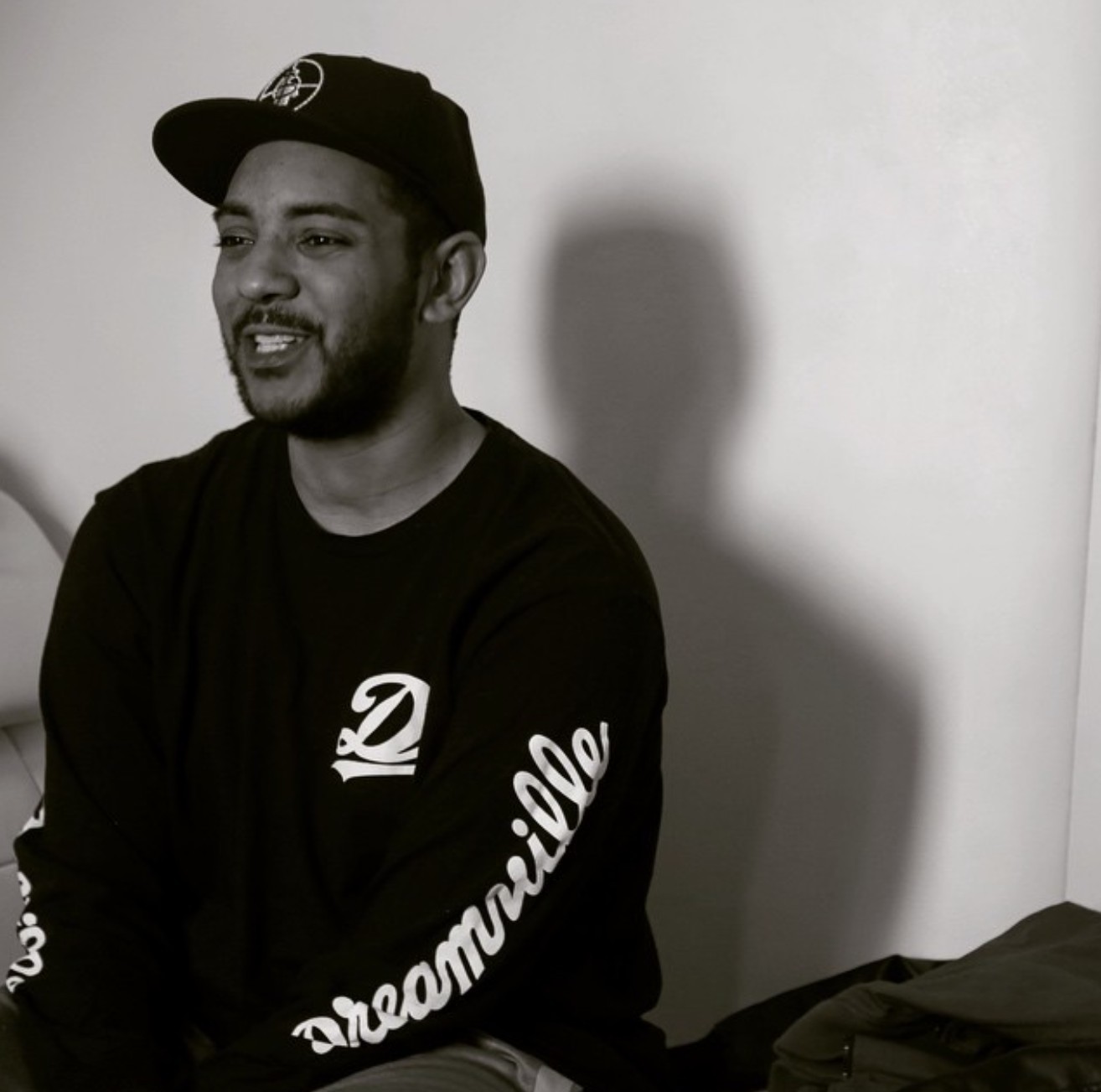
Matt McNeal, also known as Moneymakinmatt, is a respected music executive, manager, and former Vice President of A&R at Warner Records with nearly two decades in the industry. From his work with J. Cole and Dreamville to building his own company, Money Making Management, he has played a key role in developing producers, songwriters, and artists at the highest level. In this interview with Studio Talks, Matt shares his journey, his perspective on today’s music industry, and practical advice for the next generation of creatives. This interview was conducted by Rudy Manager via video call on February 17, 2026.
“The most common mistake I see new producers make is selling beats to artists without having attorney representation.”
- Matt McNeal
Can you introduce yourself to those who might not be familiar with you or your work?
My name is Matt McNeal, but most people online know me as Money Making Matt. I’m a music industry A&R, executive, and manager, and I’ve been doing this for almost 20 years now, which is honestly kind of shocking. Over the years, I worked at Dreamville for a long time, served as a publisher multiple times, and most recently was the Vice President of A&R at Warner Records.
I also run a management company called Money Making Management, where we represent producers and songwriters, and we’re even working with some engineers now as well.
Can you share your story of how you first became interested in music, and how you eventually transitioned into building a career in the industry?
My first introduction to music, or really to the people who worked in the music industry, came through my uncle, who was a producer. I also had cousins who worked different odd jobs throughout the industry, doing things like booking shows. One of my cousins even released his own independent compilation projects. Just seeing what they were able to do and how they moved within the business made it all feel real and possible to me.
At the same time, my dream of becoming a professional athlete didn’t work out, so I had to really think about what I wanted to pursue next. That shift pushed me toward music in a more serious way. I spent some time in New York, then moved back to Los Angeles and started working at a recording studio called the Boom Boom Room around 2006 or 2007. That was really the beginning of everything for me.
How would you describe managing artists compared to managing producers? What are the main differences between the two?
It’s night and day. When you’re managing an artist, you’re managing every aspect of their career. That includes their emotions, their personal relationships, and their professional relationships. You’re often the liaison between the artist and the label if they have a deal. If they don’t have a deal, then you’re probably handling marketing, touring, strategy, and a little bit of everything else. Your job is also to make sure the right team is in place when something comes up that you can’t handle yourself.
Managing producers is very different. Your main responsibilities are handling incoming opportunities and creating new ones. That means managing placements, publishing deals, sync deals, and making sure all the business is negotiated properly so everyone gets paid and taken care of. Beyond that, you’re using your network to create opportunities by understanding who’s working, who’s looking, and how to best position your producers in those rooms. If they have publishing deals, there’s usually a creative team involved as well, helping generate opportunities and making sure the money is being collected.
Managing producers is generally less stressful. That doesn’t mean it’s less work. It’s just a different type of work. With artists, the responsibility feels heavier because you’re overseeing every moving piece of their career. Some people are better at managing artists, and others are better at managing producers. I’ve done both, and I realized I was stronger at managing producers, so I decided to stay in that lane.
What’s your opinion on the current state of the music industry, especially in rap and R&B, and where do you see it heading in the next few months or years?
I think the music industry, from a business standpoint, is in a healthy place. You’re seeing companies consistently break their own revenue records year after year, and artists are continuing to achieve major success. More artists now have the ability to cross that threshold into becoming household names, and a lot of that starts with the internet and their phones. Access has changed everything.
The flip side is that the overall quality of music can feel diluted because there are so many more active artists and so many more people participating in the business. Without traditional gatekeepers, anyone can go straight to platforms like TuneCore or DistroKid, release their music, catch a viral moment, and suddenly find themselves sitting next to an artist who’s been building for ten years. In that sense, it’s a gift and a curse.
Rap is in a unique place right now. We’re coming up on almost 50 years of rap as a genre, and I don’t think the people who started it could’ve imagined where it would be today. It’s hard to predict where it’s heading because it changes every day. The business will likely continue to grow, but sonically and culturally, it’s always evolving, and I’m along for the ride like everyone else. I try not to predict the future because that can make you look foolish.
Overall, though, I believe the music industry is in a very healthy place. There’s a lot of money to be made in music, and I wouldn’t listen to anyone who says otherwise. The challenge is figuring out how to access it. You’re splitting a much bigger pie with far more people than before, and everyone is competing for the same attention. No matter how many artists exist, there are still only 24 hours in a day. We all have a finite amount of time to listen, so everyone’s fighting for the same ears, and that’s what makes it feel tougher.
What are some effective ways new producers who are just starting out can market themselves in today’s industry?
Honestly, in any way possible. The internet has opened the door for producers to market and promote themselves in whatever way they’re most comfortable. That could mean posting type beats on YouTube, selling beats on BeatStars, creating and selling drum kits, or doing cookup and tutorial videos. There are so many options now. It really comes down to being consistent and staying present, not just in the producer or beat maker community, but in the broader recording community as well.
It means building relationships. Meet engineers, meet songwriters, meet artists, meet A&Rs. That’s how you actually get into the music industry. If you’re waiting for someone to knock on your door and tell you you’re amazing, that’s probably not going to happen, especially now when there’s so much access to talent everywhere. From my perspective, I’m looking for things that already feel like they have the potential to be successful. I’m not going around knocking on random doors hoping to discover someone making music. So you have to put yourself in positions where people can see and experience what you do.
At the end of the day, it’s about being consistent, staying active, and exposing your talent to new people as much as possible. You can’t just say you’re only going to do one thing. In this era, you have to do a little bit of everything. Start with what you’re comfortable doing and go all in on that, but also challenge yourself to get comfortable with the things that feel unfamiliar. That’s how you expand your reach and grow.
Have you noticed any common mistakes new producers are making?
Yes. The most common mistake I see new producers make is selling beats to artists without having attorney representation. You don’t necessarily need a manager, but you shouldn’t be entering into any deal that requires a contract without an attorney involved. That’s especially important when you’re dealing with placements for major artists or anyone who’s putting your music into the marketplace to be heard and sold. There are people out there who will take advantage of you the moment they realize you don’t fully understand what you’re signing.
Do you have a proudest moment in your career?
Proudest moment? That’s tough. There have been a lot of them. There have been so many moments with J. Cole, and so many with different producers I’ve worked with who’ve had massive records and real success. It’s hard to pick just one. It’s almost like choosing your favorite child or your favorite parent.
If I had to choose the one that’s impacted me the most, though, it would probably be the success Cole has had, especially because I’ve known him since college. I think I was about 17 when we first met, and now we’re both in our 40s. I just turned 40, and we’re still making money together and still close friends to this day. That longevity and shared journey have had a huge impact on both my career and my life in general.
That doesn’t take anything away from the other artists I’ve worked with, the other roles I’ve held, or the other successes I’ve been part of. But that relationship and everything it’s grown into is probably the most lasting for me.
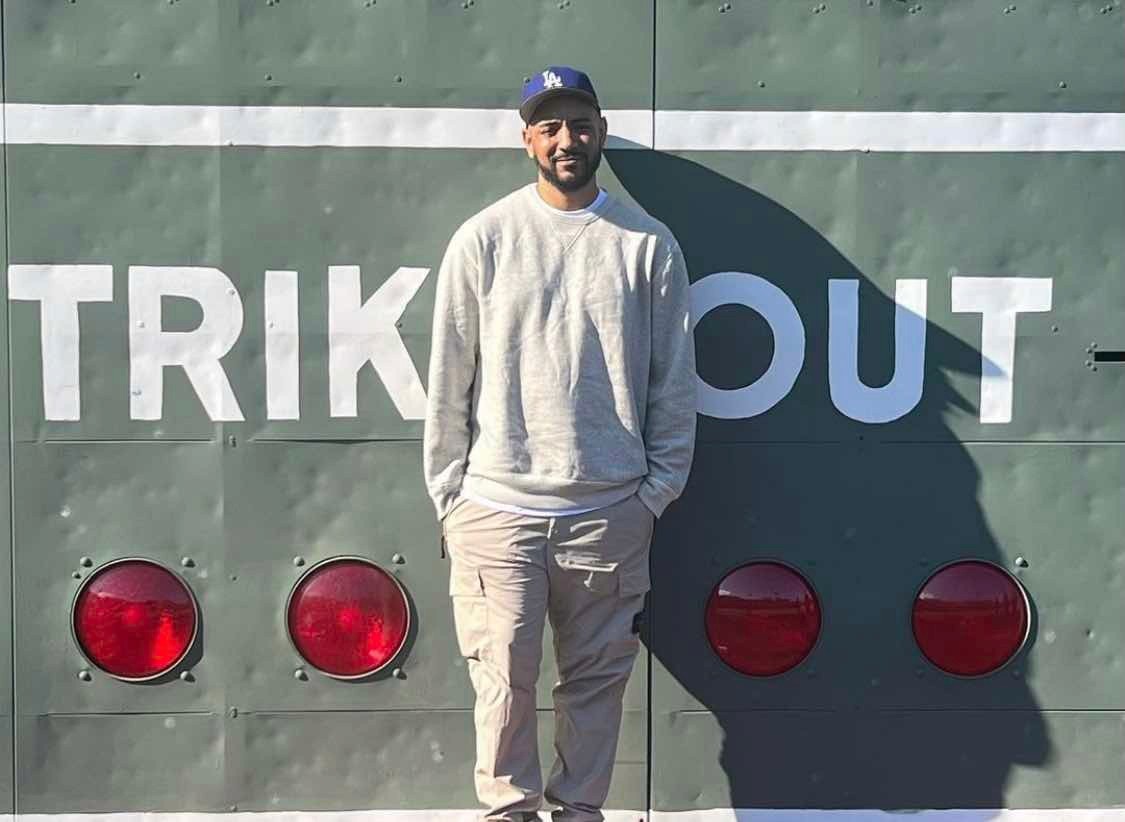
Are there any upcoming artists or producers you think we should be paying more attention to?
I just signed an R&B artist out of Seattle named Jaymin, and he’s incredible. He recently released his first EP on Warner Records called Sweet Nothings, and I’m really proud of what he’s already become and what I know he’s going to accomplish next. He’s an extremely talented artist, and I’m genuinely excited about what’s ahead for him. He has a lot of great music coming soon.
What plans do you have for the rest of the year, both personally and professionally?
My main focus this year is Jaymin. We’re off to a great start with his career and his first release, so I’m looking forward to building on that momentum with more strong music and getting him out on the road. Everything that comes with developing a rising R&B artist is a professional and personal priority for me right now.
I’m also continuing to manage producers, and at the same time starting a publishing company to represent them and bring them into the fold. I want to work with people who deserve the opportunity to step into bigger rooms and show what they’re made of. That’s a major priority for me as well.
Beyond that, I want to continue being an asset to creatives in the music industry however I can. Honestly, that’s what I consider my strongest trait. I’ve built knowledge and experience across producer management, artist management, publishing, and signing talent on multiple fronts. Because of that, I feel like I can bring value in different ways depending on what someone needs.
Follow Matt McNeal on Instagram: @moneymakinmatt
More Blog Posts
See our latest blogs