Exclusive Interview
Produced by: Rudy Manager
Edited by: Rudy Manager & Andrej Aroch
MixedByGabriel - Billboard Charting Mixing Engineer on Modern Mix Trends and AI Tools
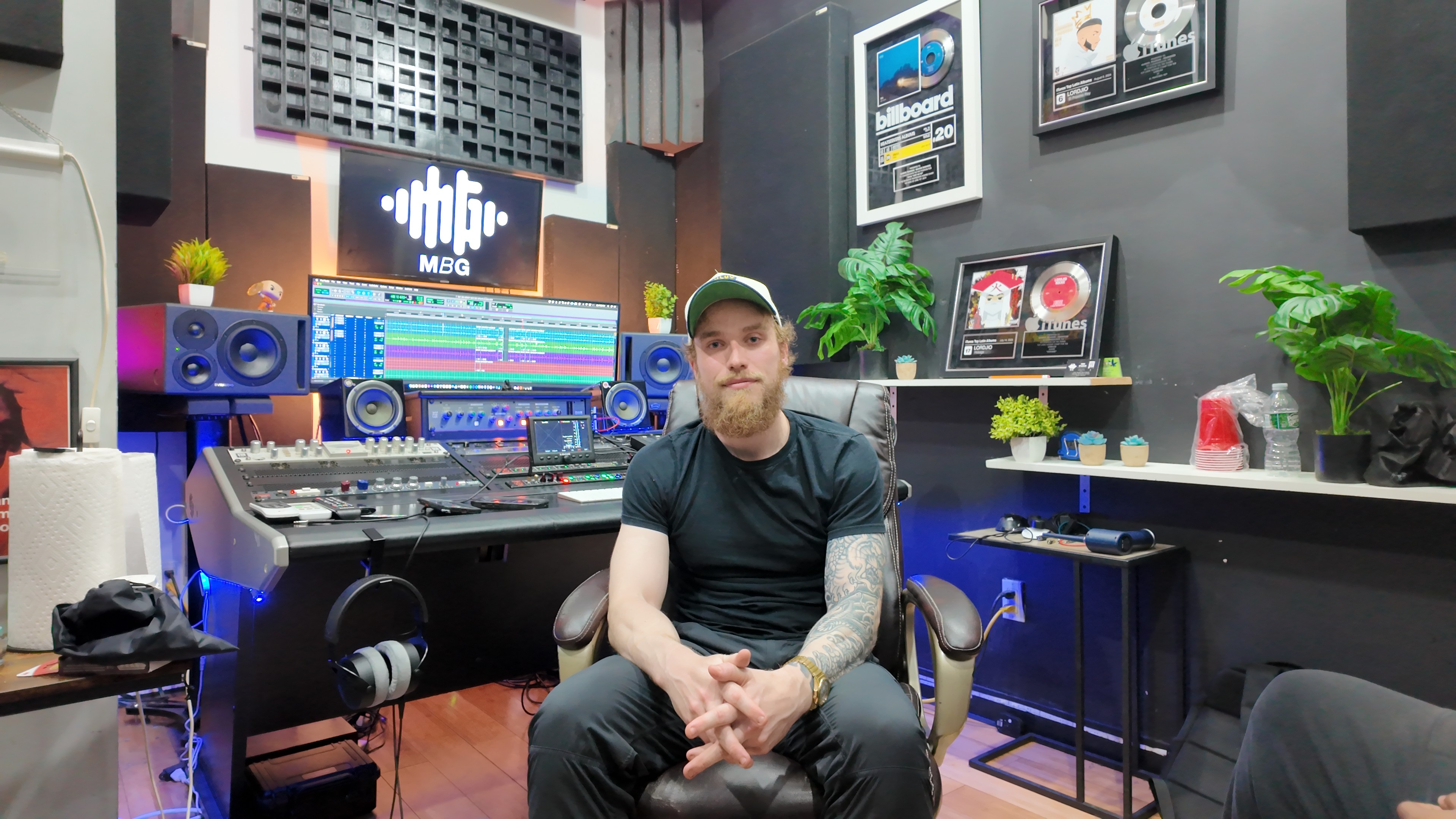
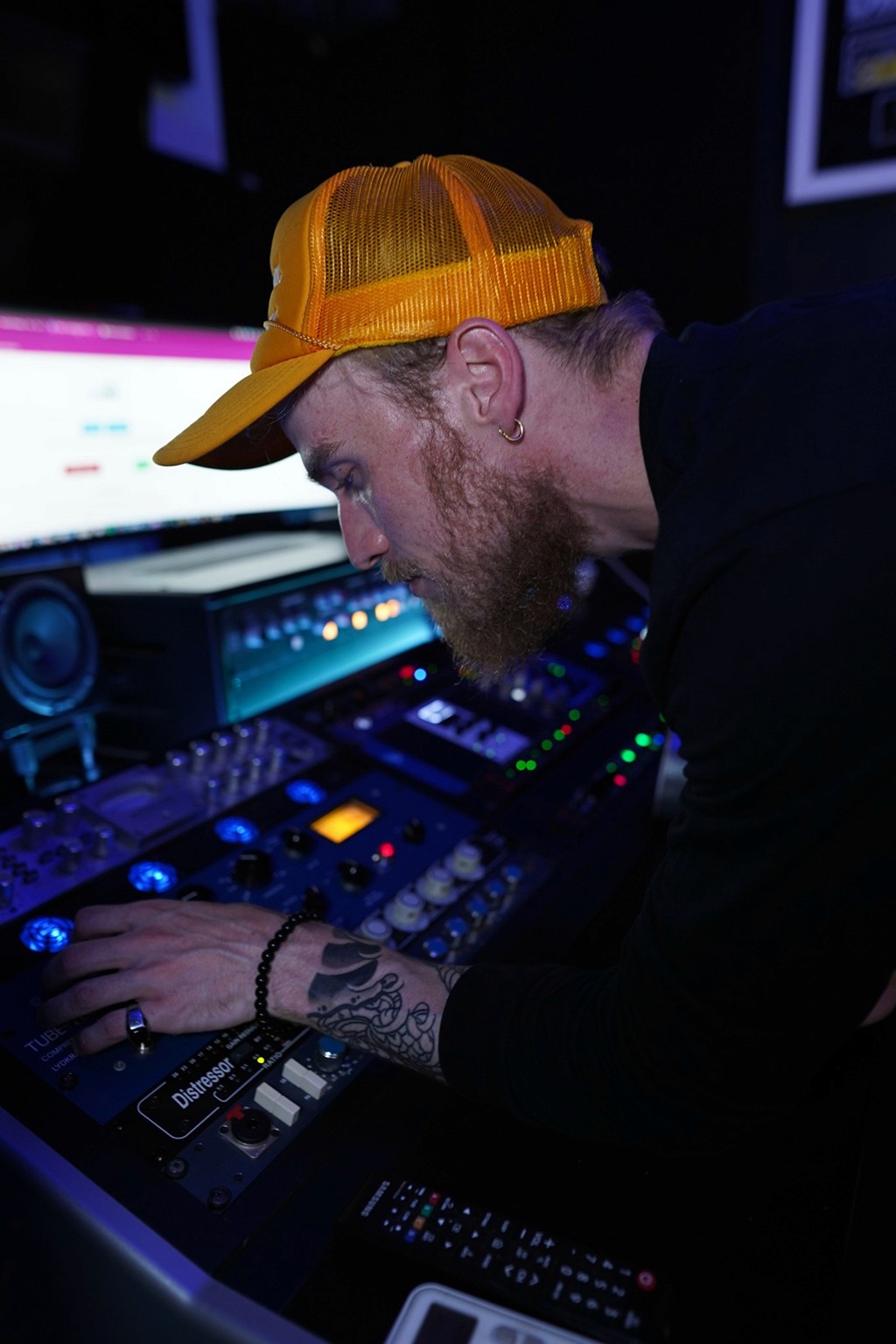
Studio Talks sat down with Gabriel Pearson on April 5th at his studio in Brooklyn, New York, to explore his journey, mindset, and perspective on modern music production and mixing. Known professionally as MixedByGabriel, Gabriel is a Billboard-charting mixing engineer, producer, and entrepreneur who has built a strong reputation in both independent and major label spaces. In this interview, he shares insights into his creative process, the evolving landscape of mixing, the role of AI in music, and what it takes for the next generation of engineers to build a sustainable career.

“If you want your music to last, it’s smarter to be a bit more conservative and preserve some dynamics, rather than pushing everything to the absolute limit.”
- MixedByGabriel
Can you share the story of how you first got interested in music and how that eventually evolved into you becoming a music and recording engineer?
At the very beginning, I started out drumming and playing in bands at a really young age, so that was my first introduction to music. My parents were always playing classic records from The Beatles and The Rolling Stones, and I just became obsessed with drums. That naturally led me into playing in bands, especially jazz bands. I was classically trained, heavily focused on jazz and Latin, and I ended up playing across jazz, rock, and eventually go-go, which is a genre specific to the Washington, DC area. It’s basically a mix of funk, rock, and hip hop, almost like a hip hop feel in a live band setting. That was a big part of my early experience.
At a certain point, I realized it was tough to get everyone in a band aligned on the same vision and long-term goals. Around that time, when I was about 15 or 16, I got introduced to FL Studio, and that completely shifted things for me. It made me realize I could create the full sound of a band on my own. I started experimenting with it just for fun, and my parents saw how into it I was, so they helped me get set up with Pro Tools and a laptop. At that stage, it was all just a hobby, working with friends and enjoying the process.
Eventually, I knew I wanted to take it seriously, so I told my parents I wanted to go to music school. At the time, there weren’t many dedicated production programs, so I went the audio engineering route. That ended up being a turning point because I fell in love with engineering along the way. I started to understand how much it elevated my production, from making records feel more polished to understanding how to guide artists properly. Engineering really teaches you how to stay out of the way and highlight the artist, which is something producers need to understand too, but don’t always focus on when they’re just making beats. Once you’re in the room with artists, you learn when to step in and when to step back.
That realization became my bridge into the industry. I went out to New York and LA and started interviewing at major studios for internships. New York worked out first for me, and I landed an internship at Lounge Studios, which at the time was closely tied to Atlantic Records. I spent about two years there, first as an intern and then assisting while building my own client base. During that time, I studied under MixedByBlue, who really gave me a strong foundation in mixing and helped me start developing my own sound.
After that, I moved into freelancing, working out of different studios, managing spaces, and figuring out my direction. I realized I could offer more than just engineering because I was also very business minded and had been building my own client base from early on. I was always focused on creating opportunities, not just waiting for them. That led me to look for a partnership rather than a traditional studio role. I ended up co-owning a studio, and over time I bought out my partner so I could fully shape the vision myself.
Now, I’m focused on building a space that brings in great projects and gives opportunities to talented producers and engineers who might not otherwise get them. A big part of that is improving the experience for interns too. I went through those typical situations where you’re stuck doing meaningless tasks, and I want to create something better where people can actually learn and grow
Over time, my role has expanded beyond just mixing and mastering into more hands-on involvement with artists and projects. I’ve also reached a point where I understand the difference between just sustaining yourself in the music industry and actually choosing the work you want to do. In today’s climate, that shift matters. I’ve built a platform where I can be more selective and also help others build themselves up in the same way I did. I’m about 11 years in now, so for people earlier in their journey, this is the stage where they can grow into those opportunities.
At the same time, being a studio owner changes things compared to just being a mixer. It forces you to think more entrepreneurially and focus on building something bigger than yourself. For me, it’s about creating a culture and a community where people can succeed and grow together, not just a place to work, but a place to build something.
What’s your opinion on recent mixing trends compared to the past, and what should upcoming mixing engineers be aware of?
Honestly, it’s a pretty confusing time right now. There’s a strong trend toward very aggressive mixing style, especially in modern hip hop and similar spaces, where a lot of the dynamics are being sacrificed. There’s a heavy use of clipping and pushing things to extremes, and it’s less about the genre itself and more about the overall style. At the same time, there are still engineers working in R&B and soul who are preserving dynamics and respecting the musicality without relying too heavily on limiters. So you’ve got these two different approaches happening at once.
Because of that, I think it really comes down to communication. As engineers, our job is to understand music deeply, including how different eras sounded and how things have evolved. We should be able to guide artists and explain both where things are now and where they might go. A big part of that is educating clients and making sure the intent behind a mix actually translates in a meaningful way.
For example, when it comes to technical decisions like loudness, you have to think long-term. If you’re pushing a mix to extreme levels just to compete right now, you’re taking a risk. Platforms like Spotify can change their standards at any time, whether it’s LUFS targets or other playback considerations. If you want your music to last, it’s smarter to be a bit more conservative and preserve some dynamics, rather than pushing everything to the absolute limit.
Another important part is knowing where you stand as an engineer. A lot of us have been in situations where we make decisions we’re not fully happy with just to satisfy a client. That’s a real challenge, and it’s something I’ve dealt with too. There’s a fine balance between serving the client and protecting your own artistic standards. That’s why I often talk about the difference between being a mixer and a business owner. As a mixer, you should feel confident enough to say, “this direction doesn’t align with what I believe in, and be willing to step back if needed.”
At the same time, the role of the mixing engineer has evolved a lot. These days, we’re doing more creative work within the mix, like delay throws, drops, filtering, and other effects that used to be handled during recording or directed by the producer. Now, it’s often one person handling a much larger part of the process.
So overall, my advice is to adapt to what’s happening, but also define your own line and stand by it. It’s not easy, especially if you’re trying to make a living, because you do have to compromise at times. But if you can find a balance between staying true to your sound and meeting client expectations, that’s where you’ll really grow.
Is there a point where you, as a mixing engineer, know when a song is finished and ready to be delivered?
That’s a tricky one, because in reality there are usually a lot of people involved in deciding when a song is finished. As a mixer, I tend to be more particular than most, so I’ll often feel like I can keep pushing things further, making it a little tighter or a little better. But at the end of the day, there’s always a budget and a deadline, and that’s important. Without those limits, you could keep mixing forever and never actually finish anything.
For me, the real indicator comes down to how the song feels when you’re just listening to it. If I can play it in the car and enjoy it without thinking about any changes or tweaks I want to make, that’s usually when I know it’s done. A big part of that comes from understanding that most of what we do isn’t really about technical perfection. It’s about energy, emotion, and how the record connects.
Once you’re able to step away from overanalyzing and just feel the song, that’s when it’s ready. That’s the easiest way to move beyond staring at meters and focusing too much on the technical side.
Do you have a creative routine when it comes to mixing?
One of the biggest parts of my process is communication. From the very beginning, as soon as someone books with me, we’re already having conversations. I’m asking for references, demos, and anything that helps me better understand their vision. Artists who really know what they’re doing will usually give you a clear picture of the sound, the tone, and even the emotional direction they’re going for, and that gives me something to fully tap into.
A lot of times, I’ll take a day or two just listening to music in that same space sonically before I even start mixing. It’s almost like getting into a role as an actor. I’m trying to absorb the energy, the frequencies, and the overall feel of what they want so I can naturally move in that direction when I start working. That preparation helps me approach the mix from a place that’s already aligned with their vision.
The reality now is that mixing has become much more stylistic than it is purely technical. It’s less about following strict rules and more about capturing a feeling. A lot of the best records aren’t technically perfect if you break them down, but they sound right. That’s intentional. People sometimes get too caught up in numbers and technical details, but at the end of the day, what matters is how the record feels when you hear it.

What’s your opinion on AI in music mixing and in music in general?
I think people who are serious about music and working professionally in this space should really lean into AI, learn it and understand it, because it’s going to be a very powerful tool for us. At the same time, I think people who don’t fully understand music yet should be more careful with it. I’ve had situations where I received songs that were heavily AI-generated, with huge choirs, big Afrobeat style choruses, and even AI-generated vocals and lyrics.
When I actually brought those into a session to work on them, I noticed things that didn’t feel human. If I solo certain parts and zoom in on the waveform, you can see and hear artifacts that just aren’t natural. It creates a strange feeling in the mix, and it can be difficult to shape or control in the same way you would with real recordings. That was something I genuinely struggled with while working on one of those tracks.
So I’d say it’s important to be aware of what you’re actually using. If you don’t have trained ears yet, it can be hard to recognize those issues, and you might not fully understand what you’re working with. In one case, I kept thinking a vocal sounded like a synth because it didn’t behave like a normal human performance, and it made it harder to shape within the mix. That particular track came from Suno, which explains those characteristics.
We’re here in your studio and can see your plaques. Is there a favorite project you’ve worked on that stands out to you the most?
From a personal standpoint, there’s an artist I work with named Bob Almighty, and I really value the work we’ve done together.
He’s an independent artist with real momentum, and we recorded a session for On The Radar. What stands out about him is how unique his sound is. It sits in the hip-hop space and has that raw, energetic feel people are used to, but the message is completely different. His lyrics focus on positivity and fatherhood, which isn’t something you hear often in that style.
I really like that contrast. It carries the same energy as more aggressive records, but it’s pushing a completely different message.
What advice would you give to the new generation of mixing engineers who are just starting out and want to build their name, work with established artists, and make a living?
For up-and-coming engineers and producers, I think the biggest focus should be on building your business awareness, creating a solid infrastructure, and actively getting clients. The more work you have in your portfolio and the more momentum you build on your own, the more leverage you’ll have when it comes to partnerships and opportunities.
It’s important to have something you can rely on yourself for. You don’t want to be in a position where you’re waiting for someone to give you a big break or a miracle opportunity. That’s really my biggest piece of advice across the board.
What plans do you have for the rest of this year, both personally and professionally?
Honestly, I don’t really have separate personal plans right now. Everything is tied to the business at this point. So for me, the focus is fully on growth and expansion.
On the professional side, my goal is to scale the business overall. That means bringing in more employees, building out stronger systems and processes, and creating a solid infrastructure that allows me to track data more effectively and grow in a more structured way overall. I’m really focused on tightening up operations so the business can run more efficiently as it scales.
I’m also very invested in the entrepreneurial side of things. I want to build more passive income streams within the business, which would then allow me to branch out into other areas like stock market investing and continue expanding beyond just the studio itself.
What advice would you give to artists when choosing where to get their mixes done, and what should they keep in mind?
Getting a mix is a lot like choosing a barber. You want to take your time and really do your research beforehand. Talk to the engineer, listen to their previous work, and get a feel for their style. Don’t just go to someone because they’ve worked on big records or have major placements. Go to someone because you genuinely like how their mixes sound, how the vocals sit, and how everything comes together.
It’s also important to understand the industry a bit before making a decision. Take some time to look into typical pricing and what different levels of service look like. If someone is charging very low rates, you have to be realistic about what you’re going to get in return. You can’t expect a mix on the level of someone like Teezio while paying entry-level prices.
In general, there are different tiers in the market, whether it’s a few hundred, several hundred, or even thousands per mix, and each level comes with different expectations. So the more informed you are, the better decisions you’ll make. At the end of the day, it’s about finding someone whose sound you trust and whose work aligns with your vision.
Follow MixedByGabriel on Instagram: @mixedbygabrielpearson
More Blog Posts
See our latest blogs