Exclusive Interview
Produced by: Rudy Manager
Edited by: Rudy Manager & Andrej Aroch
Ace Charisma - Producer Behind GloRilla Records on Creative Process and Building a Lasting Career
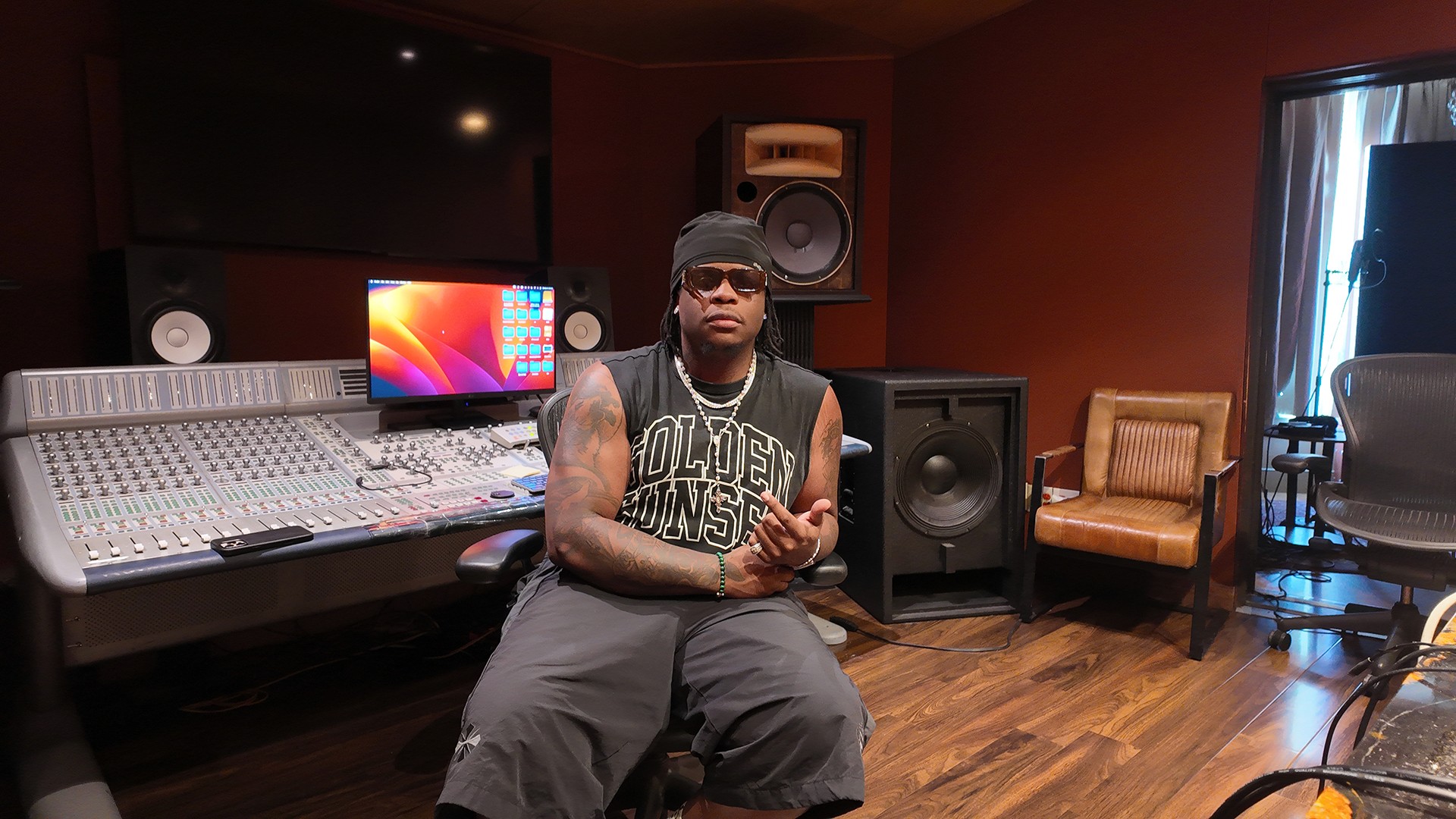
Studio Talks caught up with Ace Charisma at the Payday Music Publishing studios in Atlanta on April 8 to talk about his journey in the music industry. In this interview, he reflects on his first milestone placement, his work with GloRilla, his approach to starting beats from scratch, and what producers should understand before stepping into rooms with artists. Ace also breaks down the blueprint for new producers, talks about building his World On Fire imprint with Payday Music Publishing, and shares what’s on the horizon for him.

“If you’re a younger producer and you want to start working with big artists, the number one thing I’d say is to give them something they don’t have.”
- Ace Charisma
Can you share how you first got interested in music, and how you transitioned into becoming a music producer?
I first got interested in music when I was younger. I used to be at the house a lot around the time everybody started drinking and doing heavy drugs around me. I knew I didn’t want to be a part of that, so I kind of stayed out of the way, and that kept me in the house a lot.
During that period of isolation, I realized I had a knack for creating something from nothing, whether it was music, video games, or anything like that. That’s how I got started. My grandma gave me her laptop, and I would be on YouTube all the time. That’s how I learned. I already had that mindset, and I was so interested in it that I took it and ran with it, learning on YouTube and creating from nothing. That’s basically how I got started.
What was your process for improving back then? Did you have any mentors, or were you mostly self-taught?
I’m mainly self-taught. Like I said, YouTube University taught me a lot. I got better over the years by always wanting to keep progressing. Even now, I’ve never had the mindset that I’m good enough or that I don’t need to learn more.
I learn from everyone. Even with people who are just getting started, I always listen to different ideas. Even when I feel like I know something, everyone’s perspective is different, so I listen and learn from everyone I meet. That’s how I got better.
Who were some of your first influences, or people you looked up to when you were just starting out?
When I first started out, I really looked up to people like Kanye West. He was such an innovative creator, and he broke the norm by doing something different. That’s something I really admired. I can say Kanye was probably the number one influence for me.
Back when I first started making beats, not many people around me were doing that. There were producers here and there, but production wasn’t really the main influence around me. Everyone was rapping, and that’s actually another reason why I got started. Everyone around me was rapping, and I had a light bulb moment where I was like, “I’m going to start making beats.” So that’s what I did.
How do you like to approach making music from scratch when you first open your DAW?
The first thing I do when I’m starting from scratch is pick my goal. If I’m making something for GloRilla, Cardi B, or Megan Thee Stallion, I decide which direction I’m going to go in first. From there, sound selection is always very important.
Sometimes I like to collaborate because it helps my creative flow move better. If I’m by myself, I’ll pick a sound, like a bass, and build from there. I also write songs and come up with hooks. I do it all. I just try to make sure it sounds good.
Another thing about me is that I’m sober. I don’t smoke or drink. I never have, and I’ve never tried it. That allows me to create with a clear mind and real feeling. I create that feeling, and that’s my main thing.
What are some of your favorite VSTs? Do you also use any hardware gear in your productions?
VSTs are cool, but hardware is where it’s at. I have so much of it that I don’t even know the names of everything. People will just plug things in, and I’ll play through the sounds on there.
Hardware is what I’ve been using a lot lately. It makes the instruments sound much clearer and thicker, so yeah, hardware is definitely where it’s at.
Is there one specific piece that’s your favorite?
I’d say anything. I can’t remember the name of the specific piece right now, but it had just come out at the time. We were using it in LA for this upcoming GloRilla album, and I can’t remember the name. They were bringing out different pieces of gear, and Go Grizzly and I were in there playing on everything and creating some hits.
What would you consider your first official placement that really put you on the map?
That’s a great question. When we talk about placements, I had a lot of street songs in Memphis coming up. I had a lot of songs that were buzzing around Memphis and going crazy in the club.
But my first real placement, to the point where labels started reaching out to me and offering advances and everything, was probably “Swervin” by BlocBoy JB. That’s when I started noticing everything about the industry. I started understanding the payments, having to hire a lawyer, and everything that came with it. That was the first one that really crossed me over into the industry.
Can you share the process behind how that placement came together?
I was working with this Canadian loop maker named KookUp, and he would send me crazy, unique melodies that no one else was really creating at the time. I would add the Memphis bounce to them and create the flow for the song.
I’m not completely sure how it happened, but I think BlocBoy reached out to me and was like, “Bro, we’ve got to cook up.” I only sent him maybe three beats, and he ended up doing all three. This was one of them. That beat was crazy. If you go back and listen to it, you can still hear how crazy it was.
At that time, we were just sending stuff through email. I wasn’t really in the rooms like that yet, so I sent it through email, and that’s how it came about.
Can you share the story of how you met GloRilla?
I met Glo through her cousins, 4 and TayR, who are both in jail right now. They introduced me to Glo at a time when I’d always been the type of producer who tried to build artists up. I love that formula, and I stuck with it for the longest.
I linked up with them, and they were like, “Hey, you and Glo would go crazy together.” I had never really thought about the idea of working with Glo before, but they told me multiple times, “You and Glo have to work together.” So I was like, “You know what? Let’s do it.”
Glo and I linked up through her cousins, free both of them, and then her engineer, Aaron, kind of solidified that connection. It was just perfect timing for everything. Between her cousins, the engineer, and everyone around her, it all linked together perfectly, like it was supposed to happen.
What’s your favorite song you’ve done with GloRilla?
My favorite song with Glo is something new on her new album that we did. I’ll tell y’all this, and y’all will be the first people to hear it, but that’s my favorite song she and I have ever done.
I think we made it in Toronto. We flew out there and were in the studio working. It was snowing outside, and we came together to make it happen. I made the beat, she had an idea, and she laid it down.
Glo and I have a relationship that’s kind of like cousins. We’re really cool, we joke with each other, and we play around a lot. That’s kind of how the song came about. I can’t wait for y’all to hear it on the new album. It’s our favorite song, and you’ll definitely know it when you hear it.
What advice would you give to producers who aren’t very familiar with working in the studio with artists?
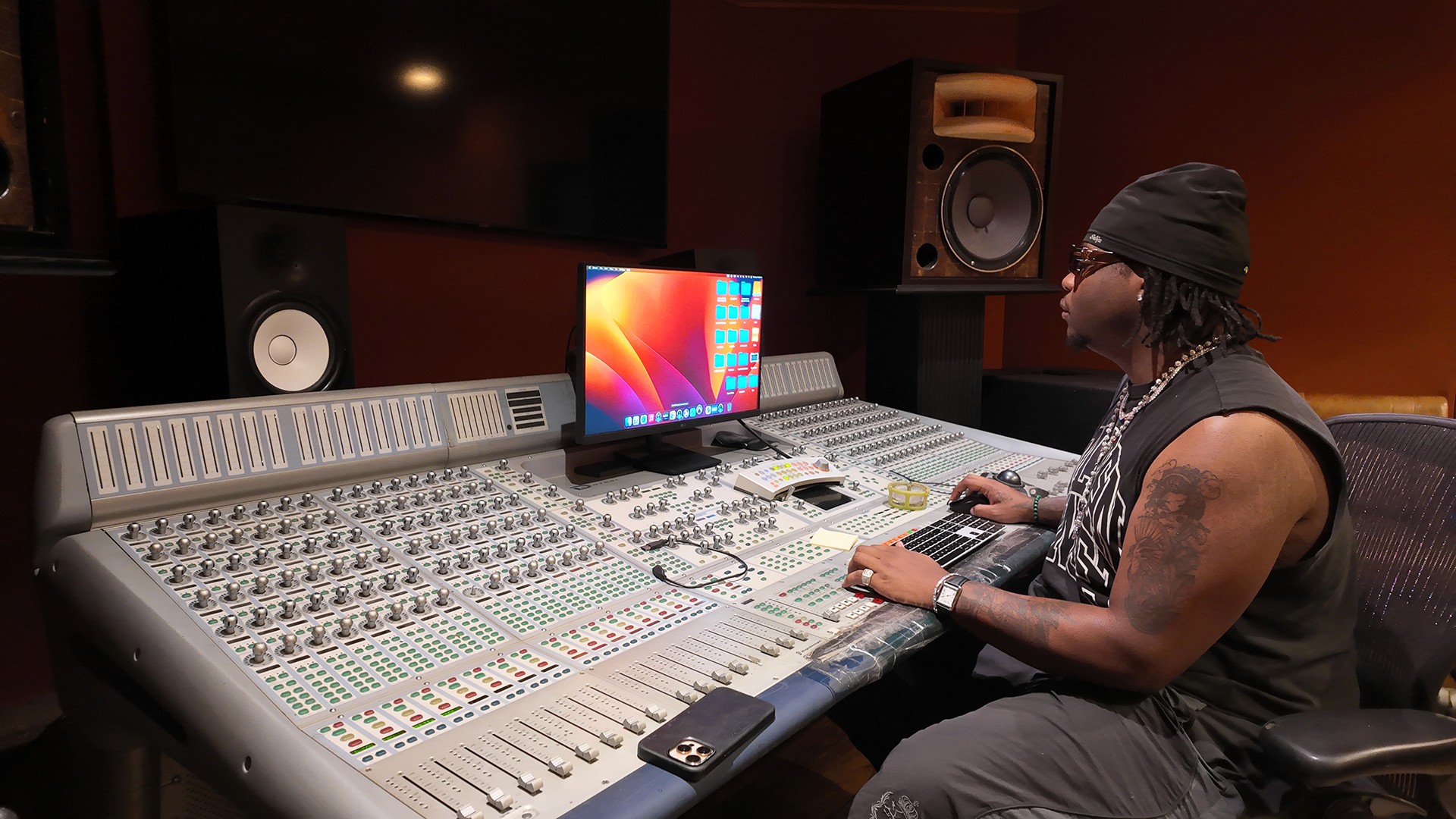
When you’re working with artists in person and you come into the studio, I’d say don’t overdo it. A lot of guys come in and demand the aux, trying to play their stuff right away. You’ve got to read the artist’s energy, and that’s the biggest thing about being in the studio with an artist. You’ve got to see what kind of mood they’re in and build a relationship with them so you know how to talk to them.
I see different types of producers. You’ve got certain producers who come in and just sit on the wall and don’t say anything. It’s about finding the middle ground between doing too much and doing nothing. You have to read the artist, and when it’s time for you to play something, make sure you play the hardest stuff possible so everyone focuses and locks in on what you’re playing. That’s definitely a big thing to keep in mind when you come into the studio with an artist.
What advice do you have for the new generation of music producers who want to establish themselves in the industry and start working with top artists?
If you’re a younger producer and you want to start working with big artists, the number one thing I’d say is to give them something they don’t have. A lot of artists have their big hits, and then they get an influx of producers sending them the exact same type of beats they already had a hit song with.
The main thing is staying creative and doing what you feel sounds great for the artist, because that might give them a different sound. That different sound could definitely turn into a hit. GloRilla is a great example. A lot of the beats I did with her last year were different from her earlier beats and her original hit songs. They’re super simple and catchy, and then the next hit might sound even more different.
So my number one piece of advice is to keep being creative in your own mind and bring that to light with the artist you’re hoping to work with.
What’s your opinion on using AI in music production?
Honestly, I feel like it depends on how AI is being used. If it’s being used to do the whole composition, it’s kind of iffy because you’re not really producing at that point. You’re letting the AI produce.
But if you’re using it as a tool, like adding a sound here or using a vocal there, it can be perfect. If you want to recreate a feeling, it can be perfect for that too. I feel like there’s nothing wrong with AI when it’s used as a tool.
We’re in Atlanta. For people who aren’t from here or aren’t familiar with the scene, how would you describe it?
Atlanta is a place full of hustle. In every studio, you can catch an artist working. A lot of artists have shows or concerts here, and everyone comes through here to work. There are camps being held left and right, so there’s so much opportunity for young, determined producers, songwriters, or anyone trying to build something.
Atlanta is a great place because it’s like a hub. Everyone comes through here, whether it’s by plane, train, or whatever else. It’s a great home base because everyone comes through here. I feel like I can’t really explain it fully. It’d be funny if a big artist walked through the front door right now, but every artist loves recording here because of the nightlife. Producers love to work here because there’s a lot of work coming through, and the same goes for songwriters. There are also a lot of new female artists on the rise.
Atlanta is a great place as far as the work goes. In comparison to Memphis, like I said, Memphis is still growing and having its moment. If I had to compare Atlanta to LA, LA is more business. Atlanta is more nightlife and studio culture. There are nighttime studio sessions in LA too, but LA just seems more like a place where you show up to work. Atlanta is more like, “Let’s just have fun and do what we do.”
What are your plans for the rest of this year, both personally and professionally?
My professional plans this year are to break two new artists. Of course, I’ll still work with bigger artists, but I’m the type of producer who likes to build people up. Like I said, I have two artists I’m mainly working with this year. One of them is named Que Hitta, and the other one is Baby Meek. They’re both super talented, and I feel like my main business goal this year is to help them grow as artists so they can have their own time.
As a producer, I also want to be known for more than just producing for GloRilla. As far as personal goals, I definitely want to build my JV with Payday Music Publishing, although I guess that’s still more of a business goal. I want to build that out with a team of producers and things like that.
Coming up as a producer, I never had that mentor type of producer around me. I never had any older producers reach out and say, “Hey, let me help you out here.” I never had that. So creating my World On Fire imprint with Payday Music Publishing gives me the ability to be the mentor I never had.
Follow Ace Charisma on Instagram: @acecharisma
More Blog Posts
See our latest blogs