Exclusive Interview
Produced by: Rudy Manager
Edited by: Rudy Manager & Andrej Aroch
NDK - New York Based Producer Behind Brent Faiyaz’s Icon
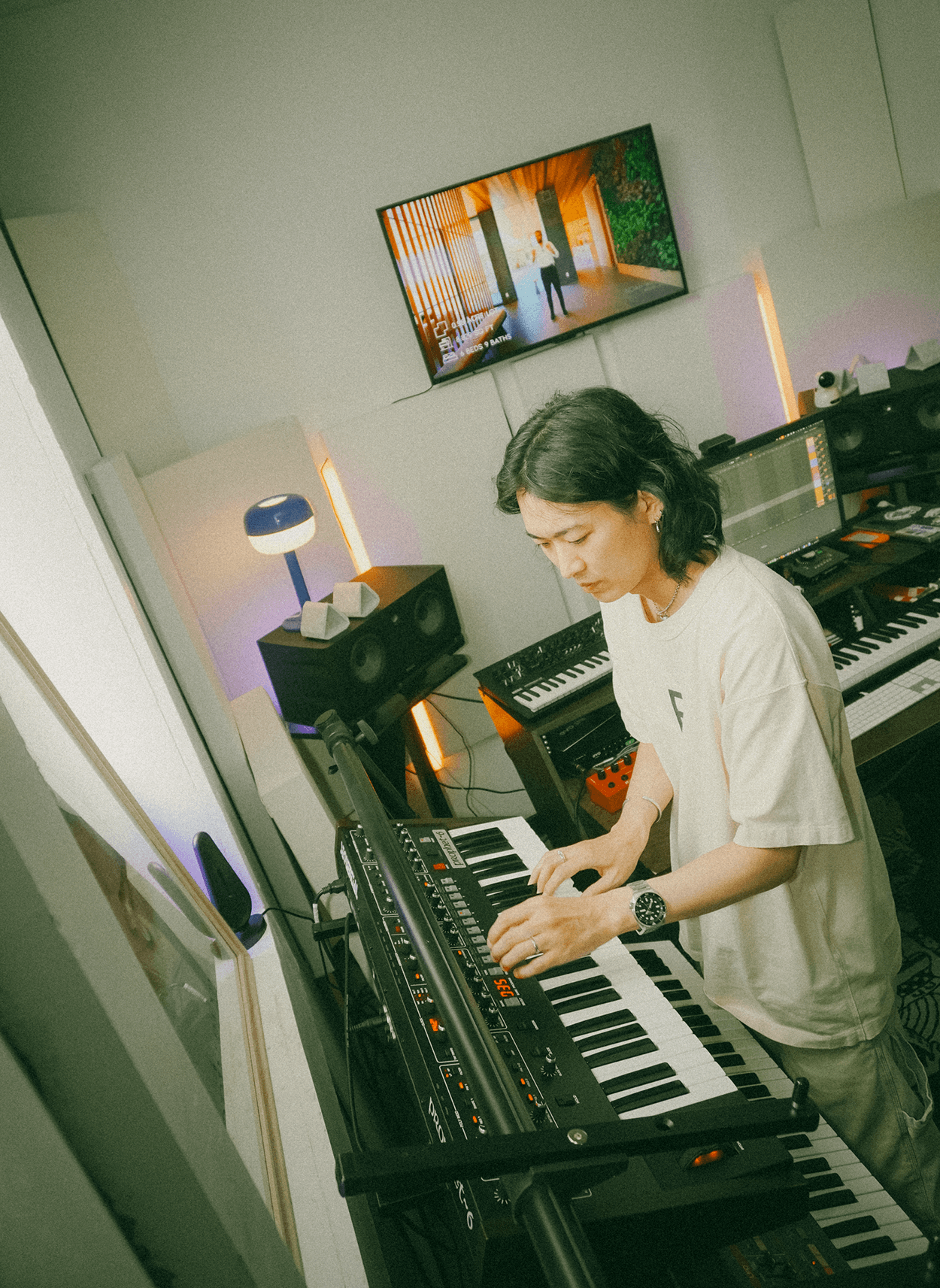
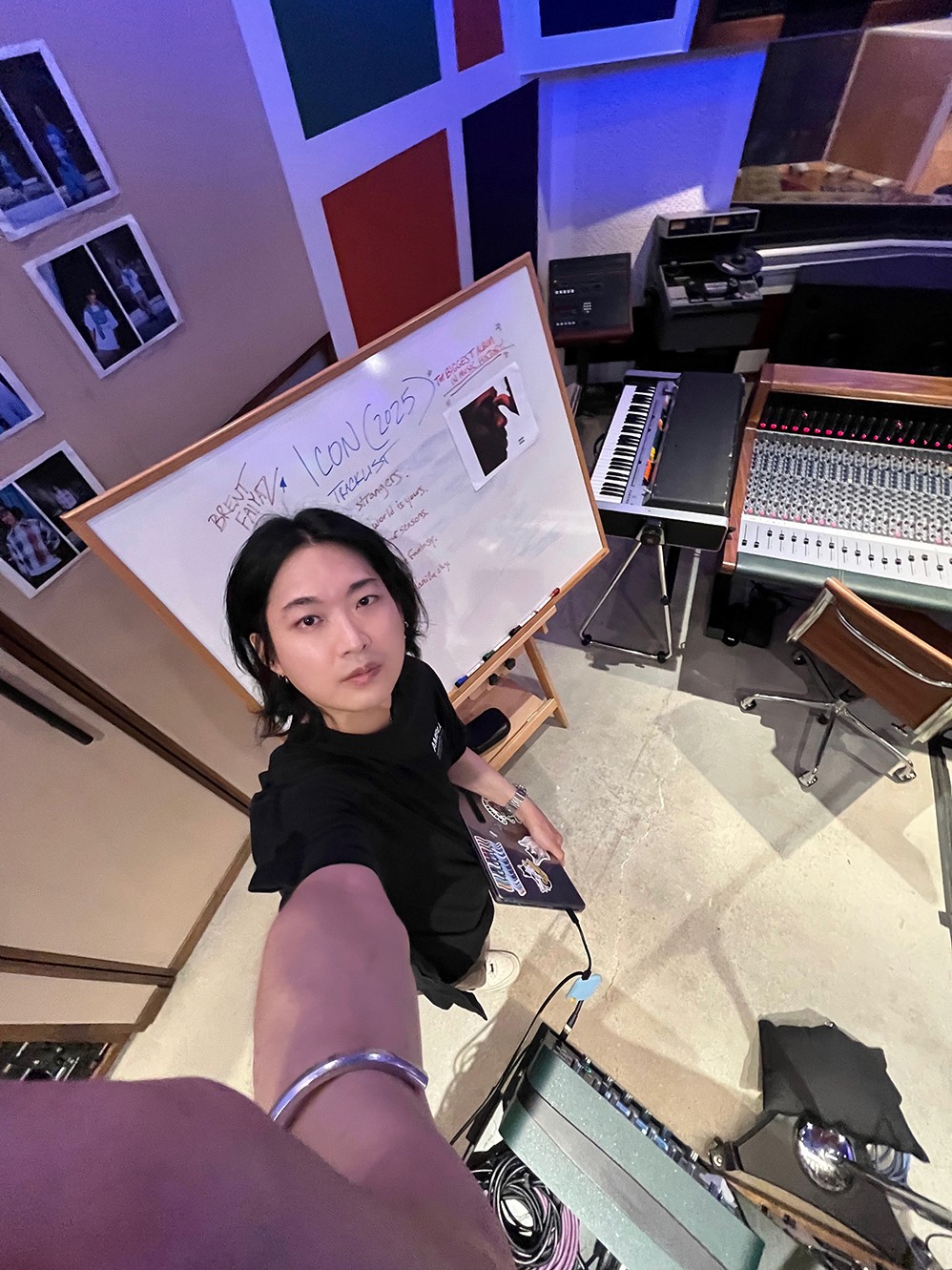
NDK is a New York based music producer on the rise, known for his emotionally rich production style and melodic approach to modern R&B. After years of consistently posting samples and tagging artists on Instagram Reels, a breakthrough call to work with Brent Faiyaz finally came through. In this conversation, NDK opens up about his musical beginnings, his experience contributing to multiple tracks on Brent Faiyaz’s new album Icon, and shares advice for new producers. This interview was conducted by Rudy Manager via video call on February 20, 2026.

“No one is going to magically find the loops sitting on your computer, so you have to keep sharing, sending, and pitching your work.”
- NDK
Can you introduce yourself for people who might not be familiar with you or your work?
My name is Andy, or Andrew Kim, and I go by NDK as a producer. I’ve been making music almost my whole life, but I started focusing more on urban and R&B production about three years ago. Right now, I’m based in New York.
Can you share how you first got interested in music and how you eventually transitioned into music production?
When I was younger, my parents made me take piano lessons, and I played the clarinet for a long time, but I wasn’t really interested in making music back then. That changed in middle school when I got really into Japanese rock music, which was the first genre that truly caught my attention. I started listening to bands like X Japan, Glay, Luna Sea, and others like that. From there, I joined a band with my friends in high school where I played bass, and I continued doing that through college. We even traveled to Korea for auditions. We actually got a record deal, but it fell apart last minute. It was rough, but it taught me a lot.
After that, I lived in Japan for four years, and when I came back, I started making EDM. My brother influenced me to get into it, and I was really into artists like Swedish House Mafia, Alesso, and Avicii, especially in the progressive house space. Eventually, I stopped to focus on getting a full time job, but during COVID I found my way back into production. I started out making trap beats, but I didn’t fully connect with the music itself, so I naturally gravitated toward R&B, which felt more melodic and emotional to me.
What was your process between starting during COVID and eventually working with Brent Faiyaz?
Honestly, when I first started, coming from a rock background, I thought making beats, especially trap beats, would be super easy since it felt like it was just one melody and drums. That’s actually why I began, but I quickly realized it wasn’t as easy as it looked. At first, I was doing it mostly as a hobby because during COVID we all had a lot of free time, but over time it started to feel like something I wanted to pursue more seriously. I also began listening to more urban music since I wasn’t very familiar with many artists in that space before. Growing up, I listened to a lot of Michael Jackson, but that was pretty much it.
So I started exploring artists like Polo G and Roddy Ricch, then moved toward J. Cole and J.I.D, which took me from trap into more boom bap sounds and eventually into R&B with artists like Brent Faiyaz and SZA. As my taste evolved, my production naturally followed. I began with more trap oriented sounds, focusing on synth leads and drum programming, and then started experimenting with sampling. Now I’m more into creating loops and samples from scratch, using instruments like guitar and bass and leaning more into the instrumental side. It all naturally shifted toward more emotional and slower music, which is something I’ve enjoyed since I was young.
How do you usually approach starting an idea from scratch when you first open your DAW?
Nowadays, I almost always start with a reference. I spend a lot of time listening to artists I either work with or want to work with, like SZA and Ari Lennox, as well as newer projects from artists like Sasha Keable, Isaiah Falls, and Destin Conrad, who I really love. I’ll pick songs from them that inspire me and try to create something that naturally fits their style. The first thing I usually do is play chord progressions on Rhodes. Electric 88 is one of my favorite plugins for that. Sometimes I’ll start with a chord progression, and other times I’ll begin with a guitar riff.
From there, I build out the lower frequencies to support the chords, then add higher frequencies with ear candy and lead elements, followed by bass. Once the sample feels like it’s in a good place, I experiment with effects like Portal, Cymatics Illusion, and other creative VSTs. At the end, I’ll play around with pitching things up or down and shaping the texture further. That’s usually my process from start to finish.
What is your favorite VST, and are you using any hardware synthesizers or other gear?
Like I mentioned earlier, Waves Electric 88 is my go to Rhodes and electric piano sound because it sits really well in the mix. I also like S.K.Y. Keys since it’s quick to use and has great presets, and Analog Lab is another one of my favorites. A lot of people use it, but with the right preset packs, I feel like you can do almost anything. There’s also an EQ I really like called Brainworx bx_2098. I usually use it as an additive EQ, but it has stereo and mono controls, which lets me widen the top end while keeping the low end in mono. I love that balance, and since it’s an all in one EQ, I tend to use it across my tracks by placing it on a group bus.
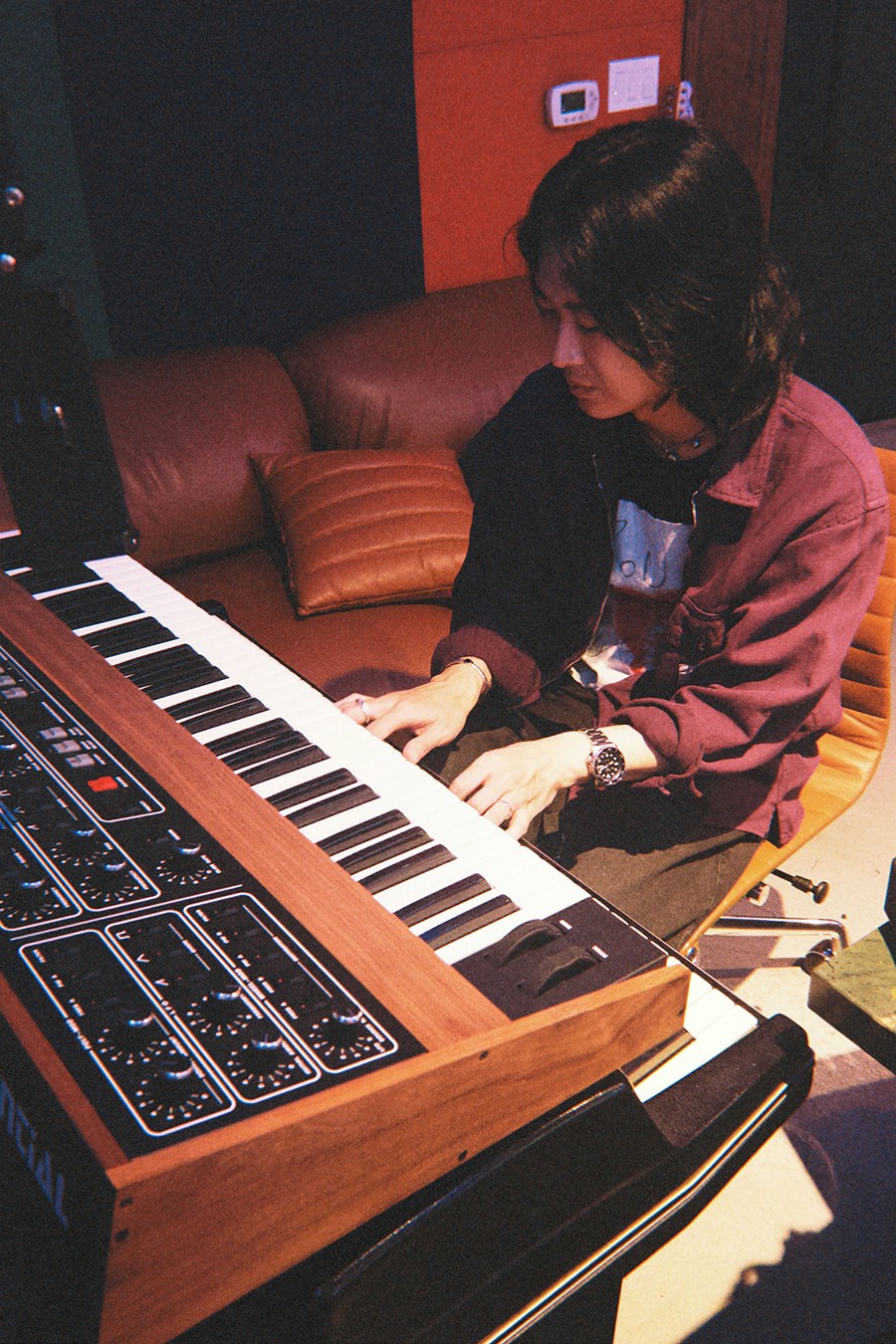
As for hardware, I have a Prophet-6 and a Juno-106, and I use them quite a bit. The Prophet-6 in particular is great, and I often use preset 004 for bass. You can control the glide and really shape it, which makes it fun to play with. That said, my favorite hardware will probably always be electric guitar and electric bass because of my background in rock bands. I’m especially into Fender guitars and Fender basses since I’m so comfortable with them.
Do you have a creative routine, like treating music as a nine to five, or do you listen to some of your favorite music before getting into the zone?
I don’t really listen to music all the time when I’m at home or anything like that, but I do have a routine. Usually, I walk to the studio, which takes about twenty to thirty minutes, and during that time I’ll put on a playlist or a new album from one of my favorite artists. That short walk helps me get into a creative rhythm. By the time I arrive, I’m already in a certain mood, and I try to create something that fits that feeling.
I’ve found that it’s much easier to listen to music first instead of sitting down and forcing an idea from scratch. Taking time to listen helps me get into the right headspace and understand what resonates with me in that moment.
What is your opinion on the use of AI in music production?
I don’t really like it, to be honest. I’ve tried Suno a few times, and I can see how songwriters or topliners might use it to kickstart ideas. I also know that some people use it for vocal samples. For me, though, I think AI makes more sense in corporate settings. Instead of paying a lot of money for producers, companies might use AI to create jingles or internal content, which I can understand from a practical standpoint.
But when it comes to artists, I personally don’t think it should be part of the creative process. I’m not a fan of AI being used in artist productions. Nowadays, having a strong brand as an artist or producer is really important, and I feel like relying on AI could hurt that brand in a negative way. Because of that, I’m not really looking forward to using it much, at least for now.
Can you share the story of how you first met and connected with Brent Faiyaz?
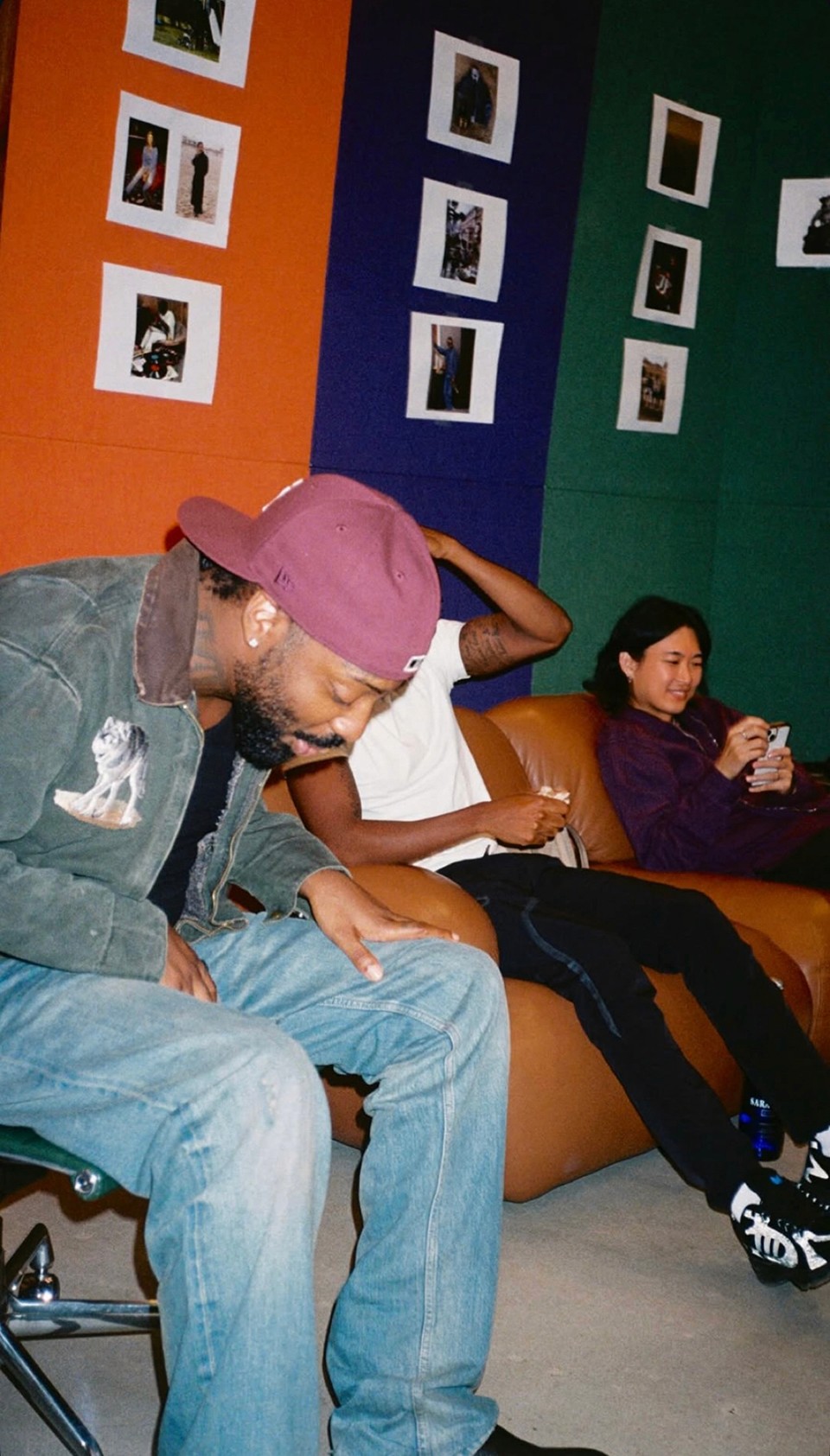
As I started taking production more seriously, I began working closely with Halfway, who’s been a great mentor to me. One of the main things we focused on was creating content. I made it a point to tag artists in my posts, but instead of tagging six or seven artists in one reel like a lot of people do, I would tag just one artist who really fit the sound. I stayed consistent with it and posted content for about three years. More recently, I became even more artist focused with my posts, and about a year into that approach, something unexpected happened. One day, Ashani, who’s an A&R at ISO, commented on one of my reels telling me to check my DMs.
At first, I honestly thought it was a scam, like those messages promising placements for a fee, but it turned out to be real. They said they liked a loop I had posted and asked if I could send it over. Of course I did, and after that I kept sending new material every couple of days for about two months. Nothing really stuck at first, but eventually Ashani reached out again and asked to hop on a call. During that conversation, they told me they appreciated my work ethic and the music I’d been sending, and they wanted to fly me out to help Brent finish the Icon album. It felt unreal, almost like a draft day moment as an athlete.
When I arrived, I went straight to the studio and Brent was already there recording over one of the loops I had sent earlier. That’s how we met, and we ended up working together for two weeks. I was originally supposed to stay for just a week, but they extended the trip so we could continue working on the album. Later on, Ashani told me that Brent was actually the one who discovered my reel and liked it, which made the whole experience even more special. It was a pretty crazy experience overall.
How was your experience in LA working on the Icon album?
It was honestly a really cool experience. I would go to the studio every day, and a lot of the time Brent would come in a bit later and ask me to play some loops. I’d go through what I had prepared, and whenever something caught his attention, he’d tell me to load it up so he could start writing. Sometimes he would fully commit and work toward finishing it, and other times he might record a quick demo and then move on to the next loop. Because of that, I was constantly preparing new material.
My daily routine was pretty consistent. I’d get to the studio around two in the afternoon and we’d work until whenever the session naturally ended. There wasn’t really a set end time. After that, I’d go home, get some sleep, wake up around eight in the morning, and start creating more loops for the day before heading back to the studio again around two. That cycle repeated throughout my stay. Some days we would spend two or three sessions developing the same song or demo, while other days we would start something new from scratch. There were also moments where we didn’t work on music at all and just relaxed or talked. Brent might come in for a few hours, leave, and then return later.
You worked on multiple songs for the album Icon. Do you have a favorite one, and how did you make it?
My favorite has to be “have to.” since it became the lead single and is also my biggest placement so far. The loop for that song was actually made right behind Brent in the studio while he was recording. He was recording vocals over a different loop of mine at the time, but I had a feeling he probably wasn’t going to finish that idea. As I mentioned earlier, I was constantly creating sketches at the hotel, so I already had some ideas prepared. When I felt that shift in the room, I sat behind him on the sofa with my headphones and started building a new loop from scratch. That’s how the foundation for “have to.” came together.
Before the trip, I had prepared almost a hundred loops, most of them darker and in minor keys, inspired by projects like WASTELAND and Fuck The World. But once I got there, the direction was different. They were looking for something brighter, more pop leaning, and more daytime in energy. The original name of the loop was actually “Daytime.” When I played it for Brent, I could see he was already imagining lyrics and ideas, so I kept looping it over and over. Eventually he started writing and built the demo directly on top of that loop. His process usually involves writing over the loop first, and then bringing in drums afterward.
Once the demo was in place, Jonah Roy added drums, and 1stFrom92 also contributed to the drum work and arrangement. Later in post production, Dpat added additional elements that helped polish the track. Tommy Richman also came by one day, heard the song, and suggested adding a few melodic layers, which he contributed as well. That collaborative process ultimately shaped the final version of “have to.”
What advice would you give to the new generation of music producers who want to work with established artists and build a career in the music industry?
I don’t want to come across like I’m giving direct advice, so I’ll just speak from my own experience. One thing I’ve learned is that consistency is really important. And when I say consistency, it’s not just about making ten beats a day for ten years. That’s part of it, but you also have to consistently put your work out there. No one is going to magically find the loops sitting on your computer, so you have to keep sharing, sending, and pitching your work. That kind of consistency matters just as much as creating.
Another lesson for me was the importance of being mentally prepared. When I first got to Brent’s studio, within the first couple of hours Raphael Saadiq pulled me into a room and started playing a piano idea, then asked what I thought. I completely froze. It felt surreal that someone like him was asking for my opinion, and I didn’t really know how to respond. Looking back, I wish I had been more ready to engage creatively, maybe by picking up a guitar, recording the idea on my phone, or building on it in that moment. That moment taught me it’s not just about having good loops or beats prepared. You also need to be mentally ready for whatever situation comes your way.
It’s also important to stay flexible. I had prepared a lot of loops based on Brent’s previous sound, but once I got there, the direction was completely different. Being able to adapt is key. Finally, having strong relationships with other producers and musicians really helps. If you don’t play guitar and an artist asks for a guitar loop, you won’t be able to learn it instantly, so having friends you trust who can contribute their strengths allows everyone to grow and win together. Building genuine creative relationships can make a big difference in the long run.
What are your current plans for this year, both personally and professionally?
Professionally, I definitely want to release more of my own music. Right now, with Icon out, I feel really fortunate because it’s helped me connect with more established producers, artists, and A&Rs in the industry. Because of that, getting more placements is my main priority right now. At the same time, I also want to put out more music under NDK with independent artists I work with, so I’m focusing on balancing both sides.
On a personal level, I’m turning forty this year, so I’m trying to take better care of my health by eating well, praying more, and maintaining a positive mindset. I also got married last year, so I want to continue growing as a husband and being the best partner I can be for my wife.
What is your vision for NDK music and your own releases?
I already have some music out, and I feel like my sound naturally leans in an emotional direction. One producer I’ve always really liked is Dpat, even before working around Brent’s circle, so that influence is definitely there. I’m drawn to music that feels emotional and atmospheric, with trap inspired drums and a sound that makes you feel like you’re floating. That emotional connection is the main thing I want to capture in my own releases.
For me, I have to genuinely love the music before putting it out. In the past, I sometimes forced releases just to build momentum, like dropping lo fi tracks and exploring different styles, but now I’m more focused on creating music that I truly love.
Follow NDK on Instagram: @ndk703_
More Blog Posts
See our latest blogs