Exclusive Interview
Produced by: Rudy Manager
Edited by: Rudy Manager & Andrej Aroch
Dreamr - Hologram Producer Behind Yeat’s “If We Being Rëal”
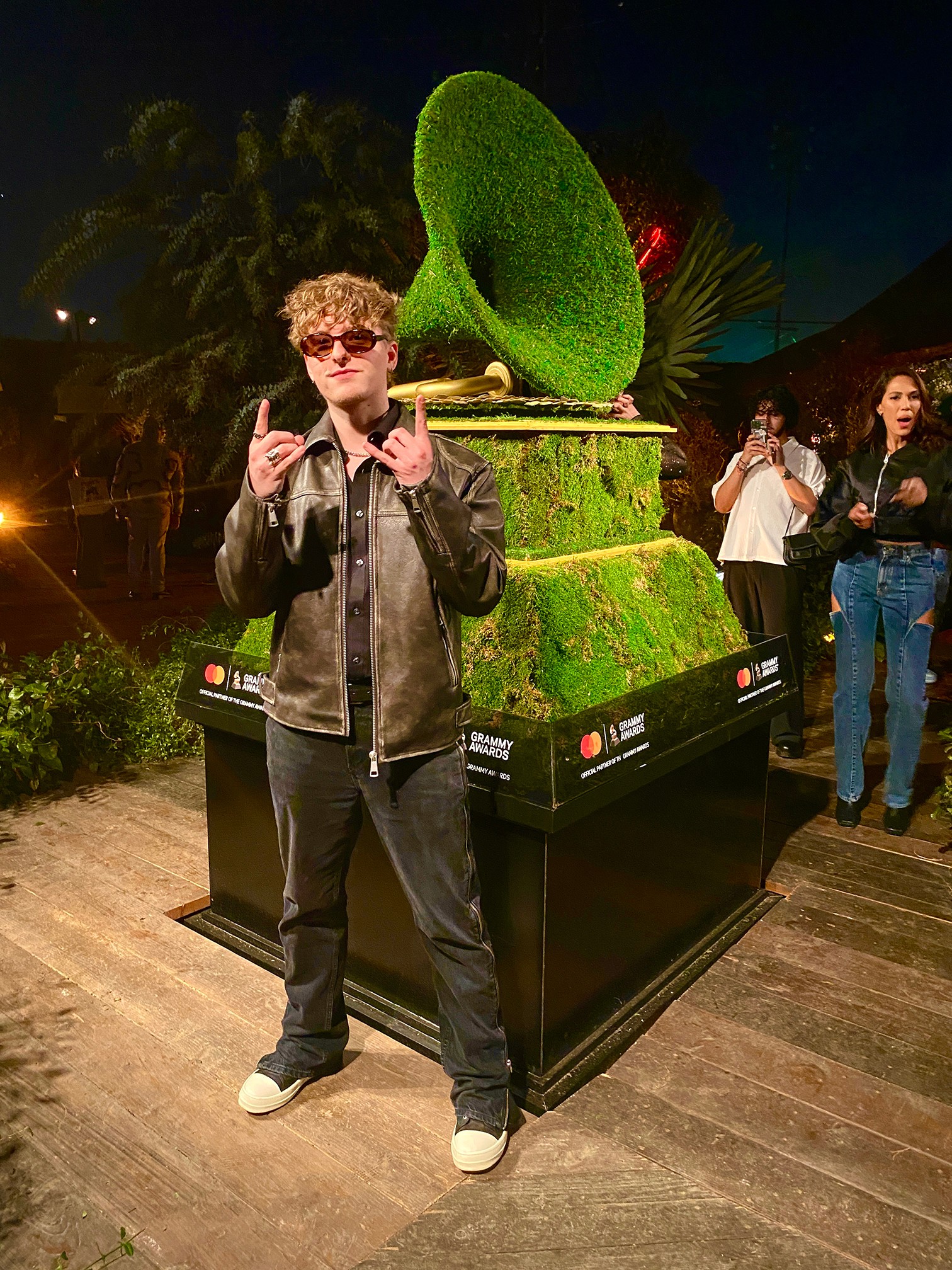
Music producer Dreamr, based in Vancouver, Canada, has established a distinct lane through guitar driven production and collaborations with artists such as Yeat, Trippie Redd, Travis Scott, Lil Uzi Vert, Vybz Kartel, and more. As a member of the Hologram collective, his sound blends hip hop with atmospheric and alternative textures. In this interview with Studio Talks, Dreamr reflects on his journey, creative process, key placements including the standout record “If We Being Rëal,” and his evolving perspective on modern music production. The conversation was conducted by Rudy Manager via video call on February 18, 2026.
“I’ve always treated music like a job. Whether I feel creative or not, I make it a point to write music every day.”
- Dreamr
Can you briefly introduce yourself and share some of the projects you’ve worked on?
I’m Dreamr. I’m based in Vancouver, Canada, and I go to LA pretty frequently. I’ve worked with artists like Trippie Redd, Travis Scott, Yeat, Talib Kweli, Lil Uzi Vert, Vybz Kartel, and many more, so it’s a pretty long list. I’m mainly known for my guitar playing and guitar work, but I work across different genres as well. That’s pretty much me.
Can you share how you first got interested in music and what led you to transition into music production?
I first got into music when I was really young. My dad and his friends were always hanging out and talking about music, and they were all big vinyl collectors. Being around that environment naturally pulled me in, so vinyl and CDs caught my attention from early on. As soon as I was old enough to pick up a guitar, I started playing and that became my entry point.
When it came to production, I didn’t really know what I wanted to do after high school, but I knew it had to be something related to music. I thought about audio engineering or maybe doing sound for a TV station, but one day I decided to try making beats since I’ve always loved hip hop along with all kinds of music. Hip hop felt like the foundation of a lot of modern music, so I gave it a shot and it’s worked out ever since.
Who were some of your influences when you were just starting out as a producer?
I’d say some of my biggest early influences were DJ Premier, Havoc, and especially The Alchemist. He was a huge influence on me because I really loved that dark 90s boom bap sound, and he’s still putting out great music in that lane today.
On the trap side, Metro Boomin was a major influence. Back in high school he used to post videos with Razor, and I remember watching those and thinking it was crazy how he was making hit records on a laptop in such a short amount of time. So early Metro and early Southside were big for me too, alongside Alchemist, Havoc, Premier, and that whole era of producers.
What was your process for improving early on? Did you have any mentors, were you mostly self taught, or did you attend a music institution?
I was really lucky because after high school I enrolled in an audio engineering program, and my professor ended up being a huge mentor for me. He goes by K-Salaam, Kayvon Sarfehjooy, and he’s produced for artists like Mos Def and Nas, along with many others. At first I had no idea about his background. He introduced himself like any other teacher and didn’t really talk about his credits, but once I looked him up and saw his work, I couldn’t believe I was getting to learn from him every day. That experience had a big impact on me.
At the same time, I balanced that mentorship with a lot of self learning on my own. I watched as many tutorials as I could, including the Internet Money videos that were everywhere at the time, especially content from Nick Mira. I tried to soak up any information I could find online, then bring questions back to class and ask my teacher for deeper insight. Having that mix of structured learning and independent research felt like the perfect balance, so I was lucky to experience both.
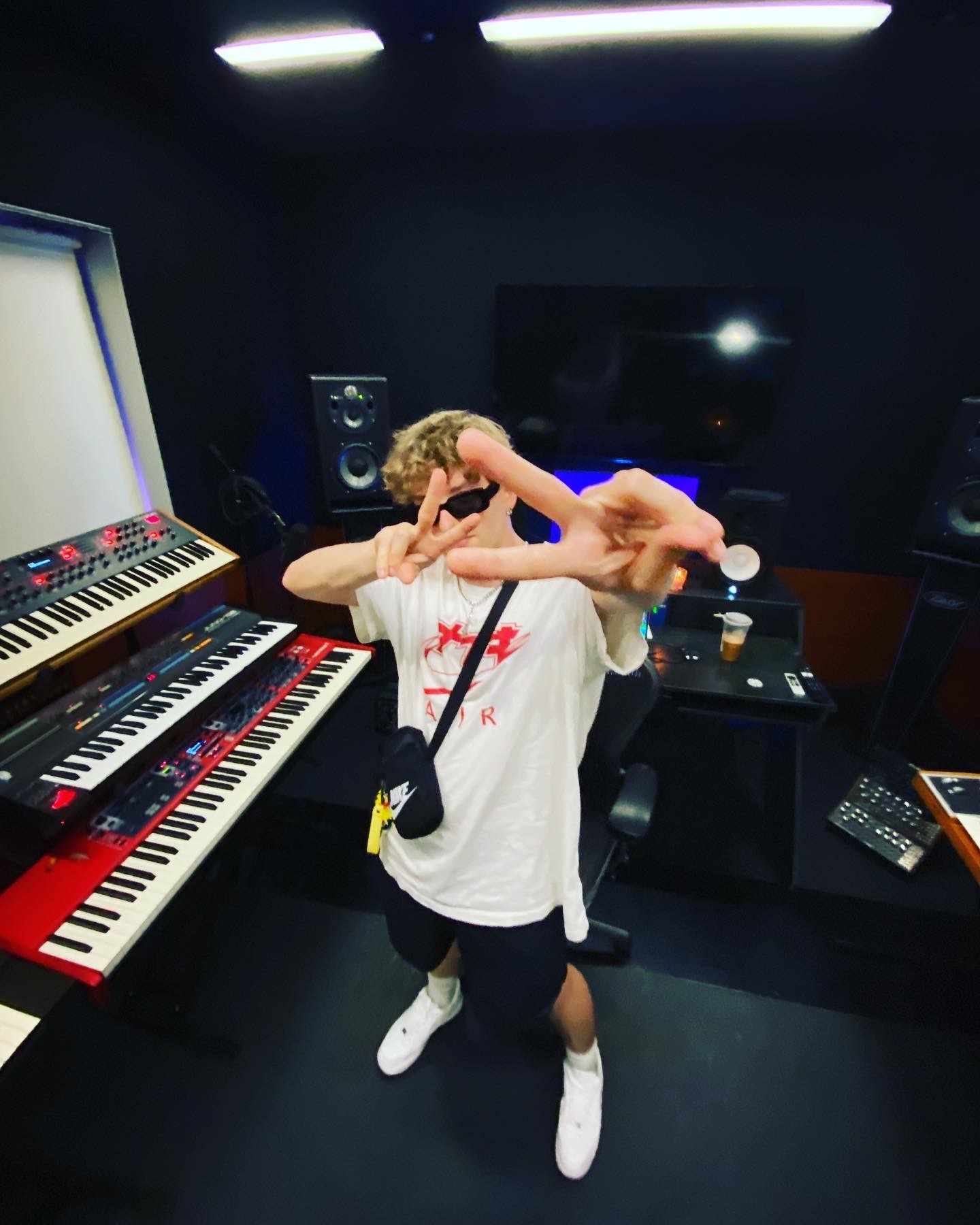
What did your journey look like from when you first started producing up to what you’d consider your first major placement?
For the first couple of years after school, my focus was on getting in the room with artists and building real experience. I worked at any studio that would let me engineer sessions, which taught me a lot because you quickly see what artists respond to in real time. At the same time, I was posting type beats online, which was still very effective then, and helped me get my sound out consistently.
I was also dropping a lot of guitar loop kits, especially during the Juice WRLD and Lil Peep era when that sound was in high demand. I was releasing three or four kits a week, which was a lot of work but helped me stay visible. One of those loops got used by Guala Beats in a type beat that Vybz Kartel later picked up, which felt surreal and ended up becoming my first major placement. From there, things started to snowball, and that consistency, especially during the pandemic when producers were actively searching for loops, really opened the door for me.
How do you typically approach creating music from scratch when you first open your DAW?
The most important starting point for me is either the bassline or the chords, because that’s what really sets the emotion of the whole track. Lately I’ve been trying to go deeper into chord inversions and expand my understanding of them, so a lot of my process begins with building a strong progression that captures the feeling right away. Once that emotional foundation is in place, it becomes much easier to start layering ideas on top. Sometimes a sound itself might inspire the direction, but more often than not I’m starting with chords and letting everything grow from there.
Do you have a creative routine you like to follow? For example, do you start at a certain time of day or listen to something before getting into the zone?
I’ve always treated music like a job because that’s how I wanted my career to look, and that mindset has worked well for me. I usually start around nine in the morning like a typical workday. I listen to some music and then ease into things by playing chords and experimenting until an idea starts to form. Whether I feel creative or not, I make it a point to write music every day. Even on days when inspiration feels low, I know that if I stick with it for an hour or two, something good usually comes out of it.
My main writing window is typically from nine until about two or three in the afternoon. After that, I’ll take a break, go for a walk, or just step outside. During that time I like listening to music that’s been inspiring me lately, and when I come back I often feel refreshed with new ideas or emotions to draw from. Most days end up being pretty full, usually from nine to seven, just consistently writing, experimenting, and seeing what sticks.
What are some of your favorite VSTs, and are you also using any hardware gear?
On the VST side, I use Analog Lab a lot because it gives you access to so many classic Arturia synth sounds in one place, and the third party banks for it are really strong. Lately I’ve also been inspired by late nineties and early 2000s R&B, especially the chord voicings from that era, so I’ve been using the Korg Triton VST quite a bit. Zenology has also been great for capturing that same vibe with a lot of its sounds.
For hardware, I still use an MPC pretty often, even if it’s just as a MIDI controller, since tapping ideas out feels more natural than clicking them in. I’ve also started getting into more outboard gear, like a Yamaha SPX90 a friend lent me. It’s an 80s rack effects unit that’s great for wide chorus, huge reverbs, and gated effects, and I’ve really been enjoying experimenting with it.
What’s your opinion on the use of AI in music production?
I’m not really into full music generation since that side of AI feels a bit hit or miss to me, but as a tool it’s been incredibly useful. Even in the past year or two, things like stem splitting directly inside FL Studio have been a game changer. There are so many situations where a sample can’t be cleared but you still want to capture the same feeling, and being able to isolate layers and really study what’s happening makes that process much easier. Back in the day we had to wait for songs to show up in games like Guitar Hero or Rock Band just to access stems, so the progress has been huge.
I see AI more as a time saving and creative support tool instead of something that replaces the creative process. While I’m not sold on the generation side, I do think we’re only scratching the surface of how useful these tools can become, especially when it comes to speeding up workflow. Overall, I’d say I’m pretty 50/50 on it right now.
Can you share how “If We Being Rëal” with Yeat came together from your perspective?
That record started with Synthetic, who already had a strong foundation for the beat. He’s someone I really trust creatively because he has a great ear for what works, and he’d been building with Yeat for a while along with Hologram. The main structure was already there, and I was brought in to create an intro with guitars that felt big, ambient, and orchestral. There was originally a Radiohead sample in that section, but it couldn’t be cleared, so they asked me to recreate something that captured a similar emotion. We tried a version, but it ended up being too close, and with the release getting near, they needed a new approach.
The night before the song was set to come out, Synthetic and Yeat reached out to LRBG and me and asked for a few fresh intro ideas. LRBG and I jumped on Discord for about four or five hours late into the night, just building and experimenting. One of those ideas ended up being the one Yeat chose, which was really exciting because I was honestly disappointed when my first version got scrapped.
I was in LA at the time, and once I got home and we locked into the session, everything clicked. That moment also reflects why I’m often brought into records, which is to add guitar textures and help create those big, organic moments that elevate the song.
What is a production of yours that’s especially close to your heart?
One that really means a lot to me is an early placement on my former professor’s album where I played guitar on a track with Talib Kweli. It wasn’t a huge record, but it felt special because I’d been listening to him since I was young, especially through his work on Kanye West records. I was about 19 at the time, and that moment made me realize that if I kept putting in the effort, music could truly become a serious path for me.
Another standout is MANSION MUSIK, which felt like my first major milestone. Seeing it chart high on the Billboard charts and having people I grew up with reach out after years of work made it incredibly rewarding. Every record carries personal value, but those two moments definitely hold a special place for me.
What advice would you give to the new generation of music producers who want to work with established artists and build a name for themselves in the music industry?
Content played a huge role in helping me get my foot in the door. I know a lot of producers who are incredibly talented but hesitate to put themselves online or document their process, and that visibility really matters. Even now, making YouTube videos can feel like extra work when I’d rather just create, but opportunities often come directly from that exposure. If people can’t see what you’re doing, it’s much harder for them to connect with you or discover your sound.
I also think being willing to travel and step outside your comfort zone is important. Your home setup is familiar and comfortable, but real growth often happens when you meet people in person and build relationships. My first trip to the US was during a slow moment in the pandemic and it felt intimidating, but taking that risk opened doors. On top of that, finding a community of like minded creatives can make a big difference. Working with people who genuinely inspire you and want to push the sound forward together can really accelerate everything.
Can you share how you joined the Hologram collective?
I first connected with Synthetic in 2020 after he found me through my loop kits, and we started working together online pretty consistently. Not long after, he mentioned getting an Airbnb in LA that turned into what we’d now call a producer camp, but at the time it was just a group of creatives hanging out and making music together. I asked if I could pull up to the next one since we’d already built a strong working relationship, and it felt like the right time to meet in person and connect with other producers I hadn’t met yet.
Hologram was still early at that point, but I kept traveling back and forth to LA and creating with the team. When they later partnered with Internet Money, I started showing up even more because Synthetic gave me open access to sessions and studio time. Over time, I was already collaborating closely with everyone in the collective, so the transition felt natural. After I landed a placement on MANSION MUSIK with “KRZY TRAIN,” Synthetic officially asked me to join, and it felt like an easy yes. I had other offers, but nothing matched the trust and chemistry I felt working with people I’d already grown with.
What plans do you have for the rest of this year personally and professionally?
Professionally, I’ve been focused on hip hop for a long time, but this year I want to branch out and explore more. Lately I’ve been interested in creating samples that feel tied to a specific era instead of just making traditional beats. It’s about approaching music from a place of exploration and developing broader ideas. I’ve also been leaning into other genres, especially rock, indie, and R&B, while continuing to work with guitar based music since that’s been part of my background just as much as hip hop. With Hologram growing and more opportunities opening up, it feels like the right time to expand creatively.
On a personal level, I’m trying to stay grounded and appreciate the progress I’ve made. It’s easy to always want more, but I remind myself that if my younger self saw what I’ve accomplished, he’d be proud. So a big focus for me is staying grateful, recognizing the blessings that have come my way, and continuing to improve day by day.
Is there anything else that we haven’t covered that you’d like to touch on?
If you want to keep up with what I’m doing, you can find me on YouTube under Dreamr and on Instagram at @dreamrprod. I also release sound kits and sample packs with sounds I’ve used across some of my biggest records, which are available at dreamrprod.com. That’s pretty much the best place to tap in with everything I’ve got going on.
Follow Dreamr on Instagram: @dreamrprod
More Blog Posts
See our latest blogs