Exclusive Interview
Produced by: Rudy Manager
Edited by: Rudy Manager & Andrej Aroch
BEAUTIFULMVN – Working on Dying Producer Behind Drake & Yeat
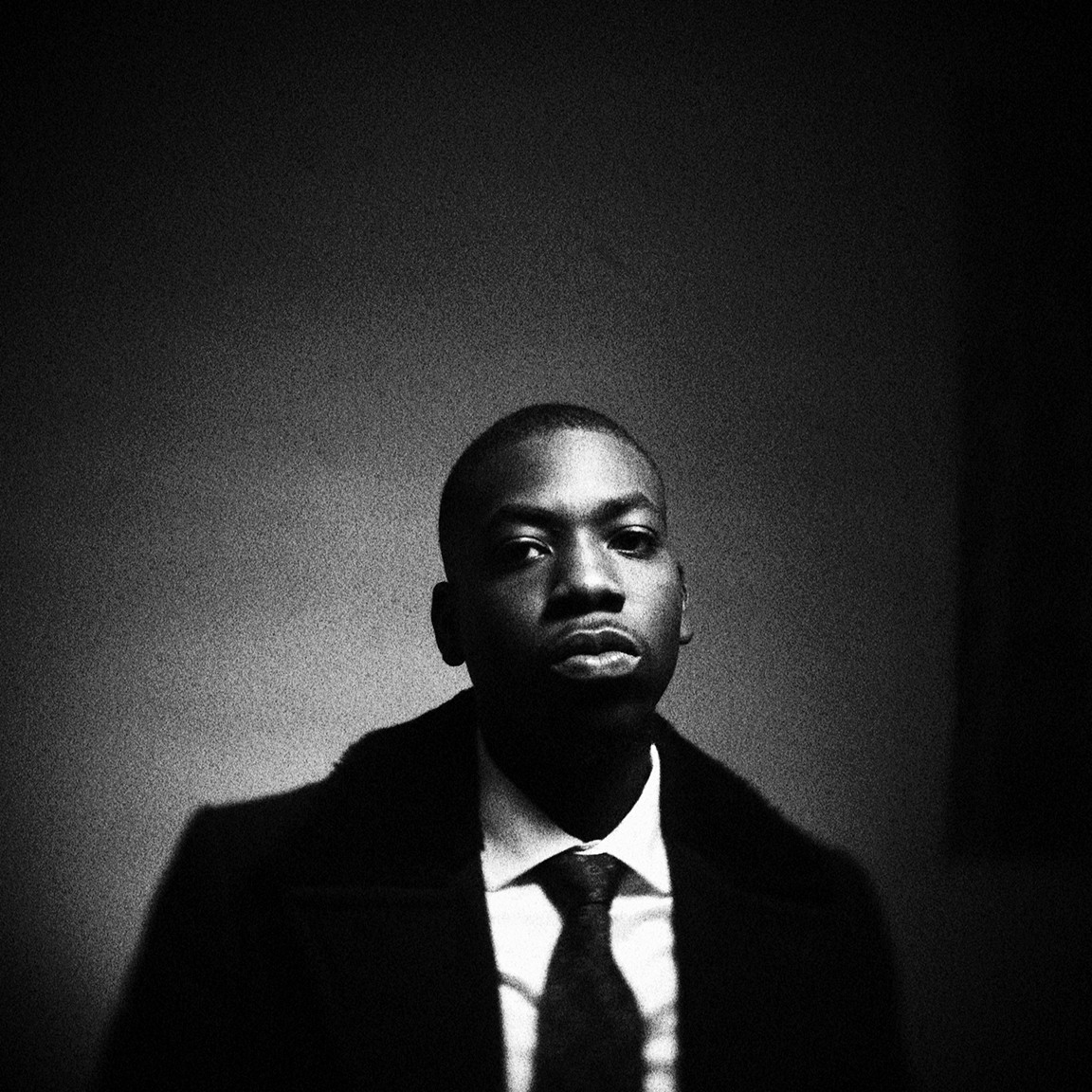
From childhood days banging on pots and pans to crafting records like Drake’s “Search & Rescue” and songs for Yeat’s AftërLyfe project, producer BEAUTIFULMVN has steadily carved out his own lane in the industry. In this Studio Talks interview, he opens up about his journey from classical conservatory to the Working on Dying collective, and how he came up with his older brother, producer BNYX. He breaks down how he approaches building a track from scratch and speaks about AI in music production, why he believes young producers should stop chasing placements and start building their own worlds, and where he sees his path heading. This interview was conducted via a video call by Rudy Manager on November 18, 2025.
“This is the time for producers to get back in the driver’s seat… and really take control of the music market.”
- BEAUTIFULMVN
How did you first become interested in music, and how did that evolve into music production?
I know exactly where it started. I remember the exact moment. I was four years old, watching American PBS. They had these little educational commercials and in one of them there was this kid playing on pots and pans, just going crazy. I was watching him like, “Yo, I want to do that.” So I got up, went into the kitchen, put the pots and pans on the floor and started banging on them. My dad came in and caught me. I thought I was about to get in trouble because it looked wild, pots and pans all over the floor and me going crazy. But he just watched me and was like, “Yo, he’s snapping, I gotta buy him a drum set.” That Christmas I got a drum set. It was crazy because the first time I tried it, on Christmas Day, I already knew how to play. I was playing beats and nobody had really taught me anything. Once my dad saw that, he said, “Let me take him to school.”
I ended up going to a classical conservatory that had a drum teacher. She was cool and taught me my first lessons, which led to me getting into piano at the same time, since they offered that too. My dad was like, “You might as well learn piano. You gotta learn how to read music.” So I started drumming at four, took lessons, and then when I turned five I transitioned into classical piano. Me and my brother, BNYX, were both in classical school learning sonatas and all that kind of music for about five or six years. While all this was happening, my dad had a home studio where he worked on Christian music in his room. We’d pop in sometimes, but he didn’t really let us touch his gear early on. It was the special room you always wanted to get into. Sometimes we’d sneak in there, and we had to make sure we were out before he got home from work because we were messing with his stuff.
After a while we started noticing that our dad was making music in the studio while we were learning music in school. Then we joined our middle school and high school bands and really got the itch to make our own music. It honestly started with my older brother. He was being a rebel and just went into my dad’s room and started making his own stuff. At first he was making metal music, a lot of progressive metal, Periphery kind of stuff, Animals as Leaders, Metallica, DragonForce, that kind of vibe. That was really the genesis of our music journey. I was more on the soulful side, but I liked that metal stuff at first just because my older brother did. After a while I realized I’m more of a jazz and soul kind of guy. He kept going with the metal though and started playing his songs for kids at school. They’d be like, “Yo, you got a studio?”
In our school district there were a lot of talented kids. For example, we had this jazz musician named Immanuel Wilkins, who is, in my opinion, the best alto sax player in the world. He ended up signing to Blue Note Records, went to Juilliard School, and now he teaches there. Those are the kinds of musicians that were coming through our school. Some of them started coming to our crib and my brother formed a band called Simple Commotion. I was soaking all this in from the background. I got really good at drums because I was shadowing the drummer in that band, Josh Thomas. He’s a crazy music director now and has worked with Fridayy and some other artists. I was just around, watching them work on songs and create. Eventually my dad’s studio setup couldn’t really handle what we wanted to do. We were working on a DAW called Sonar. My dad was an old head and had all the weird DAWs. That was his DAW and he didn’t care. That was what we were using.
Eventually my brother convinced my parents to buy a laptop. It was this 2010 MacBook with a half broken screen that cost about 700 dollars. He figured out how to crack Logic, which became our first DAW. We didn’t start in Ableton. We started in Logic. Through working with our friends, Ben got into making trap music. He linked up with this local rapper named Chris Biviens. Those guys were listening to Chief Keef and all that, and at the time Wiz Khalifa was going crazy with “Black and Yellow.” Ben made his own version of that song for his school. Once we had that laptop we really started cooking. I made my first beat by chopping up a New Edition sample, “Can You Stand the Rain.” I sped it up like I was Kanye, put some drums on it, and that was the first beat I ever made. After that I just kept going, trying and trying.
What really changed everything for me was when Ben found out about Ableton and put me on. It took me a while to get into it because you get attached to your DAW and I was like, “Nah, this is what I use.” Ableton looked crazy at first, especially the live session view. But once I figured it out, it completely unlocked my production potential. Around that time I was about 15 or 16. That was the first time I made a beat where the drums were really banging. At that point I was just honing my skills. Ben is five years older than me, so by then he was out in the world getting experience, networking in the local scene. He started working with an artist named Miles Chancellor, which led to him working with another artist named Ant Beale. Then we both started working with Ant Beale. We worked with him for about two or three years, and that eventually led Ben to meet Charlie Heat, which brought some new opportunities.
Ben left that situation, and honestly the next part of the journey was a stroke of luck. We met our OG, Ness, and that changed everything. After Ben left the Charlie Heat situation, we didn’t really know what to do next. It’s been a blessing. Ness already had the whole Working on Dying movement going. Oogie Mane, F1lthy, and Brandon were all already going crazy. Ness saw Ben and really recognized the talent. He took a chance on him. Then he met me and was like, “There’s more of you?” Since then I’ve been working closely with Ness and the team. It’s been a blessing. It wasn’t one of those things where I knew it was going to happen. It just unfolded that way.
Through all of that we also built rapport with Yeat. I remember when we first met him, he had about 44 thousand followers. This was before everything really took off. We didn’t know he was going to become that big, but Ben saw the vision and kept going. That’s really how I got into everything. It’s been a crazy journey. I honestly thought I was going to be a jazz musician, so the way it turned out is wild.
Can you share how you like to approach working on a composition from scratch? When you first open your DAW, what do you like to do first?
Honestly, most of the time when I’m making a beat, there’s already some sort of melody happening and I’m playing the piano. It almost always starts with the piano, unless I’m trying to switch things up and get out of a funk. If I’m trying to break out of that, I might start with something more unusual, like a drum or a kick. But mainly I sit there and ask myself how I’m feeling, and then I just play the piano until I hear something I like. Once I find that idea, I’ll loop it, start adding layers on top, and keep building from there. Then I might add some bass and keep developing it. Usually, though, it all begins with the keyboard.
Do you have any kind of creative schedule or routine? Do you listen to music before you get in the zone, or do you set a specific time of day to sit down and work on music?
Sadly, no. I really wish I had a set creative routine, but I don’t. I’m more the type who likes to feel my way into it. I want to feel inspired before I start, and I don’t like forcing inspiration, so I usually let it come to me. Sometimes I’m already inspired and I just go straight into creating. Other times I’ll simply make myself sit in the room without forcing anything. I’ll just be there, maybe play around a bit, because you never know. You might make something nice, or you might make something fire. It might not feel great in the moment, but then the next day you listen back and think, “What was I on yesterday?” So I don’t really have a strict routine. I just try to keep my intention as genuine as possible whenever I’m creating.
How did the songs for Yeat’s AftërLyfe come together?
It was actually pretty simple. I remember my brother hitting me up around late 2022, I think in December. He said, “Yo bro, Yeat’s working on his album, you need to lock in and not miss this one.” At that time I was working as a runner at a Cuban restaurant, barely making any money, trying to cook beats for this crazy album. One day I just quit my job. Looking back, it was a dumb decision on paper, but it ended up working out. I could see there was real motion and a lot of things were moving, so I knew I had to free up my time and fully focus on the opportunity.
After that I started cooking like crazy, making loops, chopping samples, doing all types of stuff. The first song I got back was “Now.” I knew it was going to be on the album because at that time, whenever Yeat posted something on his story, it usually meant it was coming out. When he posted that on his story, I was like, “This is really about to be on the album.” Meanwhile I was still broke, doing Amazon Flex and stuff like that. I remember doing one whole Amazon Flex trip where the money I made only covered gas. Life was crazy. Then we got the track “Sum 2 do.” Ness flew me out to LA for a camp they put together. That period is kind of a blur because so much was happening when I got that record back, but the process was basically me sending a loop to Ben. He cooked it up and turned it into what it became, sent it to Yeat, and then we got it back finished. Yeat posted that one too, and I was like, “We got another one.”
I sent a lot more ideas for that project than what ended up on the album, which really shows how much you sometimes have to give when you’re working on a big project with an artist. Hopefully that sets some expectations for other producers. You have to think about how artists work. Some artists don’t need much. You might send two joints, and if they say they like them, you know those are probably going to make it. With this album, I’m thankful those two made it. That’s really how it came together. I just locked in and fully committed to the process.
What are some of your favorite VSTs or pieces of hardware that you use in your productions?
The main one I’ve been using, even though it’s kind of annoying, is Omnisphere. It’s Omnisphere all day. It’s funny because I’ve been hearing people hate on Omnisphere recently. I don’t know when that started. Some producers I know will be like, “You’re using Omnisphere? What about Analog Lab?” I like Analog Lab, but with Omnisphere I feel like I can really control my sounds. I also use Roland Cloud. Those are the main ones in rotation right now.
There used to be other VSTs I loved, like Rob Papen Blade and BLUE, but I don’t have them anymore because they were on another laptop. I miss those VSTs a lot. I used to love the old Arturia stuff too, but I don’t use it as much anymore. So right now it’s mainly Omnisphere and Analog Lab. And if anybody out there has that Rob Papen plugin, let me know, because I need that one back. That Rob Papen stuff is crazy.
What about synthesizers?
I don’t really have my own synth setup. I have one, a Korg, but I don’t even remember which model it is because I don’t really use it. Usually when I’m using hardware, it’s at my brother’s studio in LA. He has a Jupiter and a real Moog from the seventies, which is really cool. There’s also a Waldorf and a Prophet there. So when I’m over at his spot, that’s what I’m using, and I go crazy on those. I just wish I had some of that gear of my own, but it’s expensive.
What are your thoughts on using AI in music production?
I’d say this. I can see that if it’s used the right way, it can be really beneficial for creativity. At the same time, with how easy it has already become to be a musician or a producer, I feel like AI might further stunt the growth and creative potential of young musicians and producers. There was that kid who went viral for saying he used ChatGPT to write his lyrics, and I remember thinking, “This is the road we’re going down.” When you start doing that kind of thing, it raises the question of who’s really creating anything. Is it you, or is it the robot?
I do use AI sometimes, but in a very specific way. For example, if I want to remix something and need to isolate the vocal, I’ll throw it into a tool, pull the vocal out, and then work with it. I also don’t mind the idea of a producer who needs a string section for a track and can’t afford or organize a full live string session. In that case, going on something like Suno and asking it to create a little string section you can add to your beat makes sense. That kind of use feels more like using a tool. But when people start making whole beats with AI and letting it do everything, that’s where it gets dangerous. At that point, nobody’s really going to be able to eat off music, and people may stop seeing music as something valuable, since you can just type in a prompt and get a “great” song.
So I see the benefits, but I also see a real problem. I already feel like a lot of people don’t respect the process of actually honing their craft as musicians and becoming great creators. There’s definitely a community that wants to get better and takes it seriously, but there’s also another side where people just want to get into music because of how it looks from the outside and what the industry seems like. When you give those people an even easier way in, without any real work or intention, it can lead to a bad situation. That’s how I see it.
Can you share how the track “Search & Rescue” for Drake came about?
That came together around the same time the Yeat stuff was happening. I can’t even say I was really focused on it, because there was so much going on. I remember when Ben first got the song back, it was crazy. For me, it was one of those situations where we were just working on stuff. I put my little touches in without overthinking it, and then there you go. Now I’m just thankful my brother gave me the opportunity, and I’m grateful for everyone who was involved in that situation. It was a wild situation and it ended up leading to everything else, to a lot of the success you see my brother having now. That song was the launch pad, for sure.
Do you have a production that's especially close to your heart?
I gotta think. Out of everything, I think “Wake Up” by Dom Corleo is probably my favorite release so far, because I just love that beat. That was a beat my brother and I made together. I remember when we first made it, and then Dom sent the song back, I was like, “Yo, this is fire.” There’s not much going on, there’s not a lot to the song or the lyrics, but it’s just a vibe and I really love it. So yeah, that’s the favorite one, “Wake Up” by Dom Corleo.
What advice would you give to new producers who are just starting out and want to work on placements, get in touch with artists, and build their careers?
That’s a loaded question, because I honestly feel like young producers shouldn’t even be thinking about trying to get placements anymore. I don’t think that should be the focus now. Look at the state of the music industry and the game in general. It’s completely different. A lot of the artists you think will change your life right now probably won’t. I feel like this is actually the perfect time for young producers to make their own way and build artists the way the older producers used to. Producers have become too reliant on artists to handle everything around the music. I think young producers should get more involved in learning how to brand, how to create worlds, how to put full visions together. You young producers already have the skills to execute high level concepts and make great albums. This is the time for producers to get back in the driver’s seat, like Babyface, David Foster, Teddy Riley, Jimmy Jam and Terry Lewis, and really take control of the music market. Producers have let themselves be pushed into the background for too long without getting credit, and a lot of the time it’s because they allow it.
I see a lot of situations where people are chasing the look and the glamour, trying to be in a certain room, and they’ll accept anything just to be there. That’s why they don’t get the respect. If you take a step back and say, “Maybe I shouldn’t jump into someone else’s situation that’s already built. Maybe I should build my own thing,” you can actually make a lot more money and have real control. If you really want to make a lot of money, it’s not through placements. Maybe at one point it could have worked that way, but with how things are now, placements aren’t the main answer. Build artists. Build something that has so much value that a label wants to invest in it.
If young producers really took that approach, it would also reveal who genuinely wants to be a producer. Do you just want to be a beat maker, or do you want to be Babyface or David Foster? Do you know what kind of planning and involvement those guys had in the projects they worked on? It wasn’t like today, where you send a beat, then the artist finds the videographer and handles everything else while you just do the instrumental. Those producers were deeply involved in the whole thing. So my advice is simple. Don’t chase placements. Build your own way.
Where do you see yourself a year from now, both personally and professionally?
I can kind of gauge it a little bit based on what I’m working on right now. At the moment I’m working very closely with Denzel Curry and we’re working on a series of projects. It’s a collab between ULTRAGROUND and Working on Dying. So there’s going to be a lot of music coming. I see myself really loving this process again. Right now, things are tough and I’m still in a stage where I’m trying to figure out exactly where I want to be placed in all of this. I have an idea of where I want to be, but there are so many different ways to move through this music industry that I’m still finding my path. A year from now, I want to be in a space where I love this as much as I did when I was 16.
Professionally, it’s really about more music. That Denzel project is going to be crazy. We’ve been working on it since April, and there are a lot of dope features on it. I think that’s something that will probably take me up a notch. That’s where I see myself, finally at another level. I don’t have huge plans. I just want to make music and keep improving. There isn’t a single exact place I’m trying to be, but hopefully I reach the highest level I can. I’m just going to keep getting better. That’s pretty much it.
Follow BEAUTIFULMVN on Instagram: @beautifulmvn
More Blog Posts
See our latest blogs