Exclusive Interview
Produced by: Rudy Manager
Edited by: Rudy Manager & Andrej Aroch
BWolf201 - New Jersey Producer Behind NBA YoungBoy, Moneybagg Yo & Lil Durk
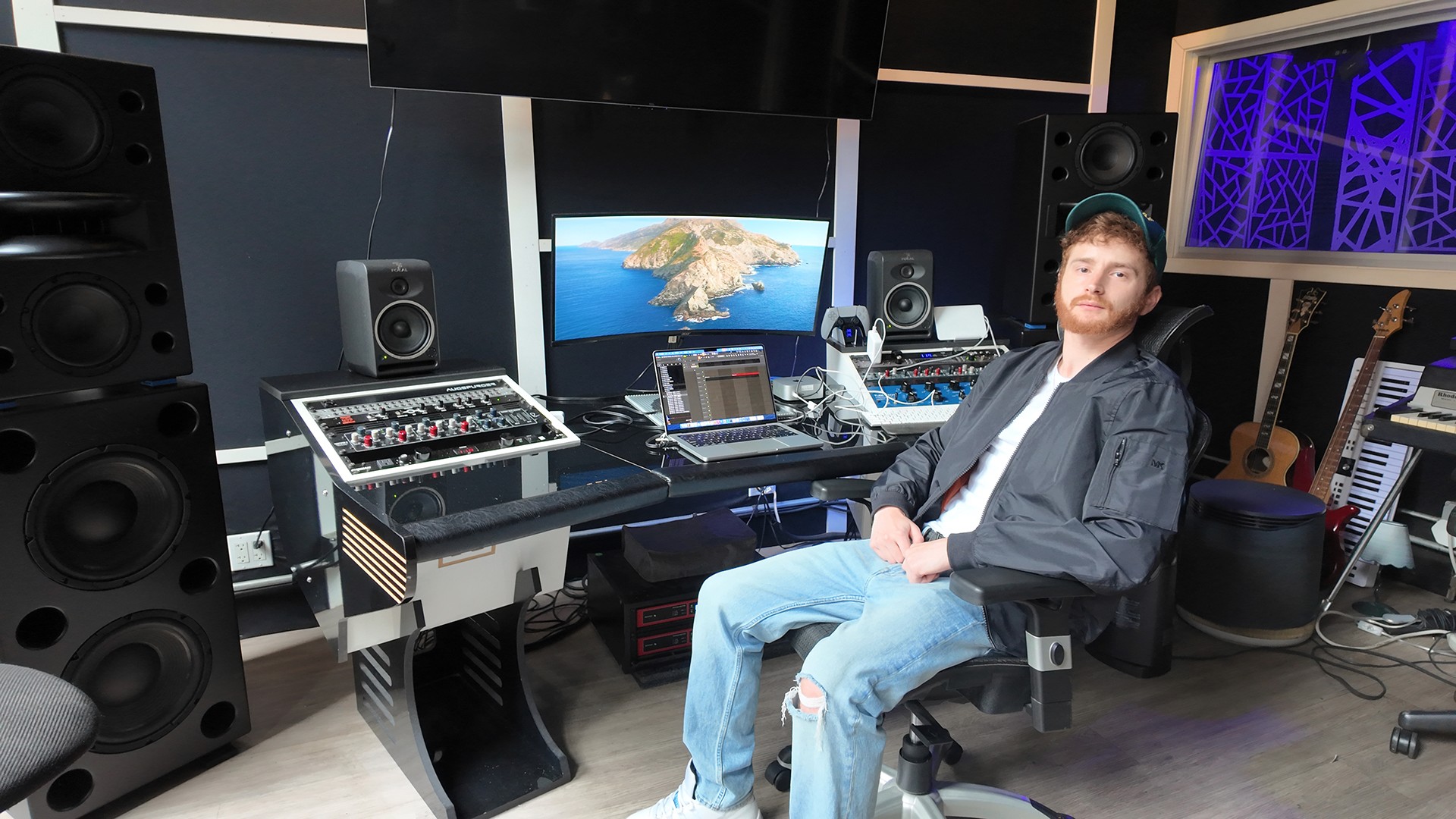
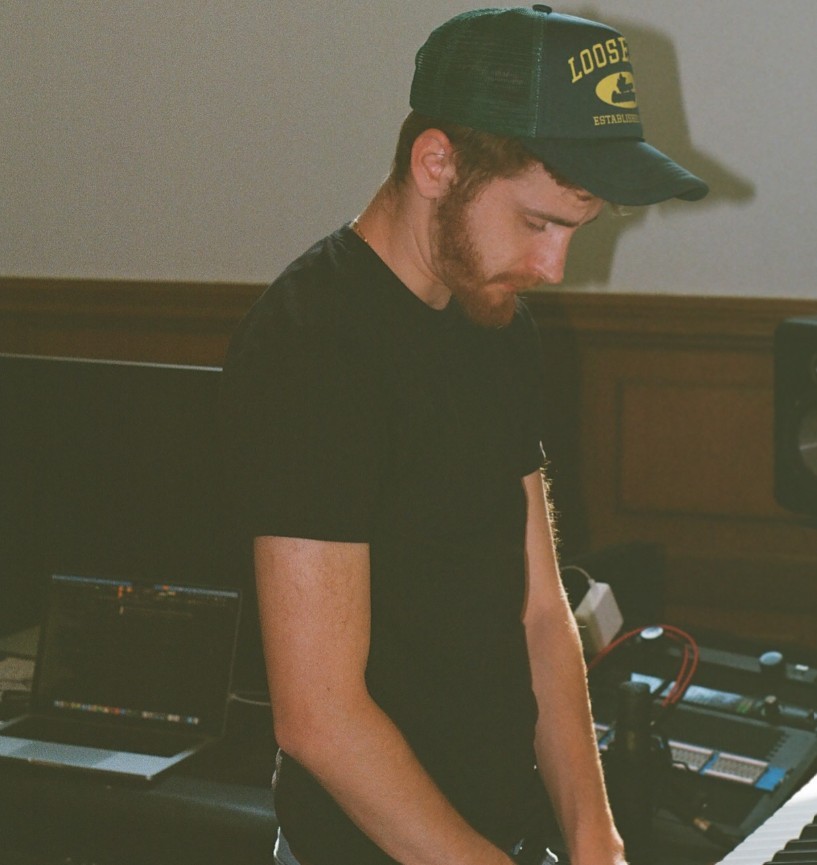
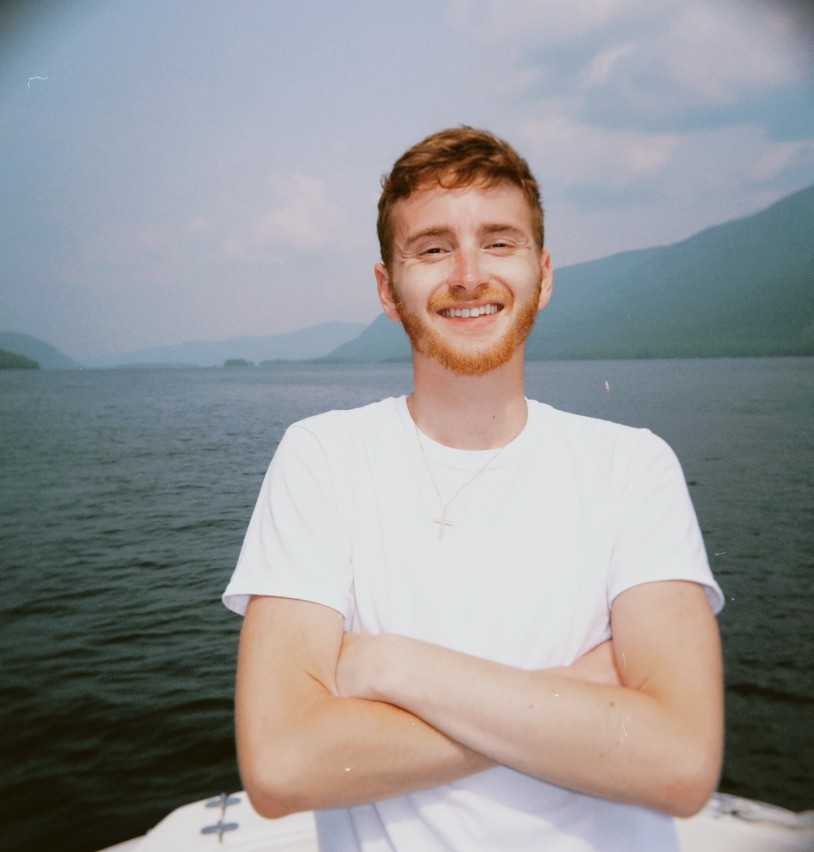
We linked with Brian Wolf, better known as BWolf201, at Off Record Studios in Manhattan, New York, on April 5. The New Jersey producer turned a self-taught passion for music into a flourishing career, going from studying mixtapes on DatPiff and teaching himself FL Studio to working with artists like NBA YoungBoy, Meek Mill, Moneybagg Yo, and many more. In this Studio Talks interview, BWolf201 opens up about his early beginnings, the impact of his type beat channel, his creative process, favorite gear, thoughts on AI in music, and why moving to Los Angeles feels like the next step in his career.

“I posted for probably 400 days straight. Every single day, I had a beat to post.”
- BWolf201
Can you share how you first got interested in music, and how that eventually led you to becoming a producer?
I first got into music as a young kid in New Jersey, just running around with my friends, really. We all had a similar interest in music, and we would go on DatPiff.com around 2011 or 2012 and download all the mixtapes. We also did our homework on the history. We would go back and listen to Big L, Biggie, Nas, and all that music from New York. So there was a lot of New York and New Jersey influence that got me into music and made me want to double down on it.
I was 13 years old, going on a website like DatPiff, listening to and downloading all this music, putting it onto my parents’ laptops, and getting it onto my iPhone. From there, I started seeing the production credits, like “produced by Lex Luger” or “produced by Cardo.” That got me thinking about making beats myself. Eventually, when I was around 14 years old, I got FL Studio on my laptop and just went off to the races from there.
When you first downloaded FL Studio, what was your process for improving your production? Was it mostly self-taught through YouTube, or did you have any mentors or formal music training along the way?
My journey with music production was definitely self-taught. It was really just me teaching myself through YouTube. It probably took two or three years before I made a beat that was good enough for anyone to use. This was a different time. The tutorial game wasn’t like it is now in 2026. There was a very limited number of tutorials and a very limited number of drum kits, but I just kind of found my way.
You mentioned that you started a type beat channel. At what point in your career did that happen, and how did it eventually lead to you connecting with Moneybagg Yo?
Around 2021, I started a type beat channel for Icewear Vezzo type beats. It’s funny because I had already met Icewear Vezzo at a session in real life. My manager had him come to a studio in New Jersey through some smaller connections, and I did a song for him there. So that was a type of beat I already knew how to make really well. Eventually, I started the YouTube channel, and I posted for probably 400 days straight. Every single day, I had a beat to post, and it kept growing little by little.
Songs kept coming from it. An artist signed to a major label would pick up a beat, and that song would end up doing really well for me. But it also led to artists I didn’t even know about getting signed. Then Moneybagg Yo hit me up in the DMs like, “Yo, I just signed this artist. He was using your beats. I need some beats. Why don’t you hit me up?” So that’s what YouTube type beats can do for you. They can work for you without you even realizing it.
I think a big piece of it for me was being heavily invested in the work and not thinking too much about it. That’s what helped me manifest a lot of the success with it. I was really invested in getting a beat up on YouTube every single day, but I wasn’t really thinking about what would come from it. Then some really good things came out of it, and I didn’t predict it would happen that way.
When you try to predict things too much, that’s where your expectations can get all over the place. Whereas if you just do the work, good things will come to you. So type beats worked well for me. I eventually stopped doing it because a lot of the artists knew me personally, and I wanted to keep my stuff more exclusive. But it was game changing for me and for my career.
What is your creative process when you’re building an idea from scratch? How do you usually like to start?
When I’m cooking up from scratch, a lot of the time I like to think of an artist and try to lay out a template for the kind of sound they could be going for. A lot of times, it’s based on who I’m sending stuff to that day. But if I have the chance to work with analog gear or work with other producers, especially on analog gear, I like to just try stuff out, find one idea, and record it all.
I’ll sit there and record two minutes of audio, or whatever I’m playing, and then I’ll go back, put stuff together, and flip it five different times. Using analog gear is really fun to do from scratch because you kind of find the magic in what you’re playing. There’s a lot more feeling in it because you’re playing it live and just messing around.
If I’m making something from scratch in FL Studio, I’m probably thinking of an artist, and I’m probably thinking of an artist, and I’m probably following more of a formula than I would if I were using analog gear for melodies. So for cooking up from scratch, it’s fun to use analog gear because there’s a lot more creativity in it. But when I have a pack to send that day, I’m going to sit down and try to make five or ten beats for that person and what they might want.
What are some of your favorite VSTs, synthesizers, or pieces of hardware gear?
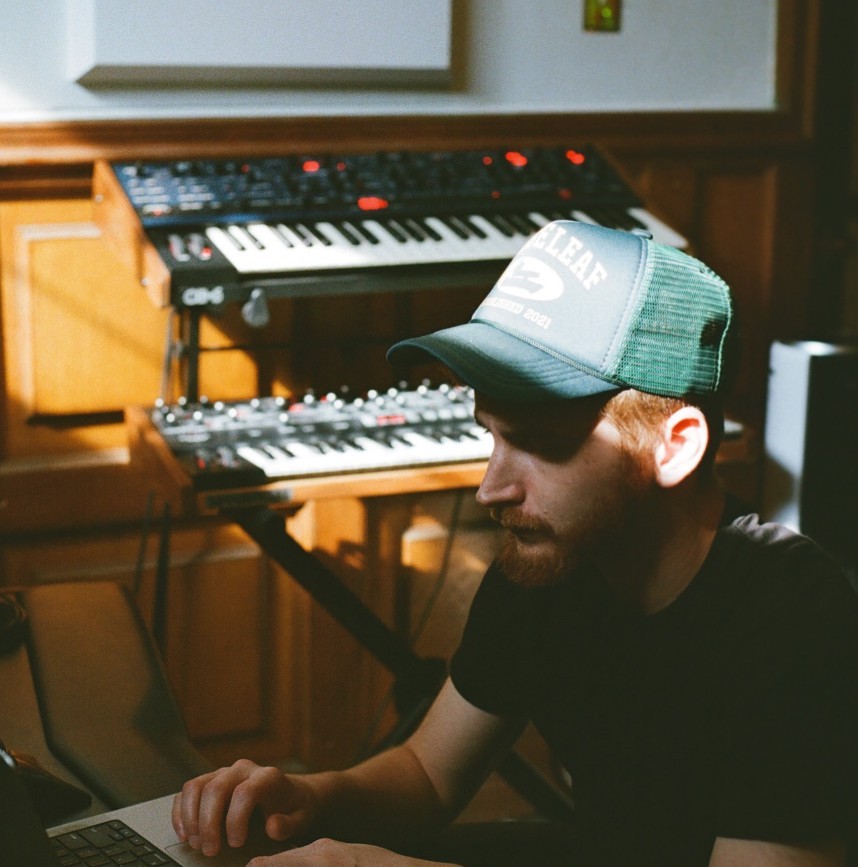
For VSTs in 2026, I’ve been using Omnisphere 3 a lot. It’s got a lot of analog sounds, a lot of Juno sounds, a lot of Prophet sounds, really good arps, and just sounds that feel different. So the new Omnisphere is definitely worth the $500. I bought it, and I think it’s great. I’ve been using that a lot lately.
For analog gear, I like the Prophet 5. There’s a Prophet 6 that I mess around with at a studio I go to, and I also really like the Juno X. That’s another variation of the different Junos they have. So those are a couple of my favorite analog pieces.
What’s your opinion on the use of AI in music, especially when it comes to music production?
I’m very in the middle on AI. I’ve messed around with it sometimes. I think everybody should mess around with it and see what it’s like. I think there are ways to use it that aren’t out of bounds or against what people think is wholesome. You can find ways to use it that help your creativity, without just stealing creativity from a program.
The way I’ve used it is with chords I already made. I’ll put them in and say, “Hey, I want some different chord progressions.” Then it shows me some different chord progressions, and I’ll go back in and do it myself instead of just taking the loop it came up with. So I think there are a lot of different ways you can use it in a way that’s still wholesome. But I don’t really hold anything against anyone who’s using it in any way possible. Just do what you do. I’m not mad at you, but I’m definitely very neutral on it. I haven’t used it too much.
What advice would you give to the new generation of producers who want to break into the industry and work with established artists?
I think for new producers, you’ve got to get yourself out there. You’ve got to get your feet on the ground. You can’t just be sending emails. When I was 19 years old, I interned at studios in New Jersey and New York, just trying to meet people and get my foot in the door. When I was in Los Angeles for two months, just a couple of weeks ago, I saw interns who got to be in the studio all day. And yes, it’s hard work, but you want to put yourself in a position to meet people in real life and make real connections, not just send stuff online.
To do that, you can go intern somewhere. You can intern at studios, you can intern at labels. There are a million different things you can do to get your foot in the door and really take things to the next level, instead of just sending stuff out and hoping somebody answers. You’ve got to take it into your own hands. That’s really my best advice. You’ve got to take things into your own hands and do it your own way, not just wait on somebody else. A good way to do that is to go work, get in the field, and make things happen.
What’s one of your favorite productions that you’ve worked on so far?
One of my favorite productions that I’ve done is a song called “Big Truck” by NBA YoungBoy. It’s from his 2023 project Don’t Try This At Home. It’s the intro on the project, and it had a music video that did very well. That song came through my friend Callari, who’s a producer from Florida. He works a lot with Jason Goldberg, NBA YoungBoy’s engineer.
One morning, I was in a group chat with Neila World and a bunch of my friends, and Callari just dropped a message in the chat around 8:00 a.m. like, “Hey, I’m working on stuff for YoungBoy today.” I was up early that morning, and by 9:00 a.m., I had a couple of ideas to send back to him. I sent over some loops, and later that day, he told me he had done the beat. By nighttime, they told me they had cut the song.
Two weeks later, they posted a little preview on Instagram of YoungBoy shooting the music video, and then a couple of weeks after that, the song was out. So it was a pretty quick process. I think it’s a great YoungBoy song. It was an easy collaboration with Callari and my other friend, Craig Shur, who helped me on the loop. I took one of his starters, added some stuff to it, sent it off to Callari, and 100 million views later, it’s a pretty good one.
What are your plans for the rest of the year, both personally and professionally?
My plans for 2026 are definitely to step it up a bit, do things I haven’t done before, and work in new genres. I just went and lived in LA for two whole months because I wanted to switch it up, get a lot of different work in, and have something to do every single day.
So my plans are probably to move to LA full time, make the most out of my connections there, and do a lot more out there. I’m here in New Jersey and New York, and there’s some good stuff going on here too, but after my two months in Los Angeles, I’m feeling like I’ve got to be there full time. That’s probably my plan for the year: getting new stuff done, getting good work in, and seeing what comes out of it.
You mentioned that you’d like to move to LA. Why is that, and how would you compare the LA scene to New York and Jersey?
The LA and New York music scenes are definitely different. In Los Angeles, you have a bunch of people who are there to grind. They’re there because they need to level up. If you live in New York City, chances are you’re already leveled up enough. New York is an expensive place, so a lot of people here have already made it in some way. They’re sort of chilling, whereas in LA, people are working and hungry. I want to be there because I’m hungry too. There are people to work with every day.
From a production standpoint, there’s also a much bigger songwriting scene in Los Angeles. There are a million songwriters out there, and there are a lot of labels looking for songs from songwriters. So there are just different opportunities in Los Angeles compared to New York, where I’m usually meeting up with rappers and producers when I can. New York is cool, but if you really want to step out of your comfort zone a bit, I think you’ve got to go to Los Angeles.
Follow BWolf201 on Instagram: @bwolf201
More Blog Posts
See our latest blogs