Exclusive Interview
Produced by: Rudy Manager
Edited by: Rudy Manager & Andrej Aroch
Jack Uriah - Calgary Producer Behind Drake & Bryson Tiller
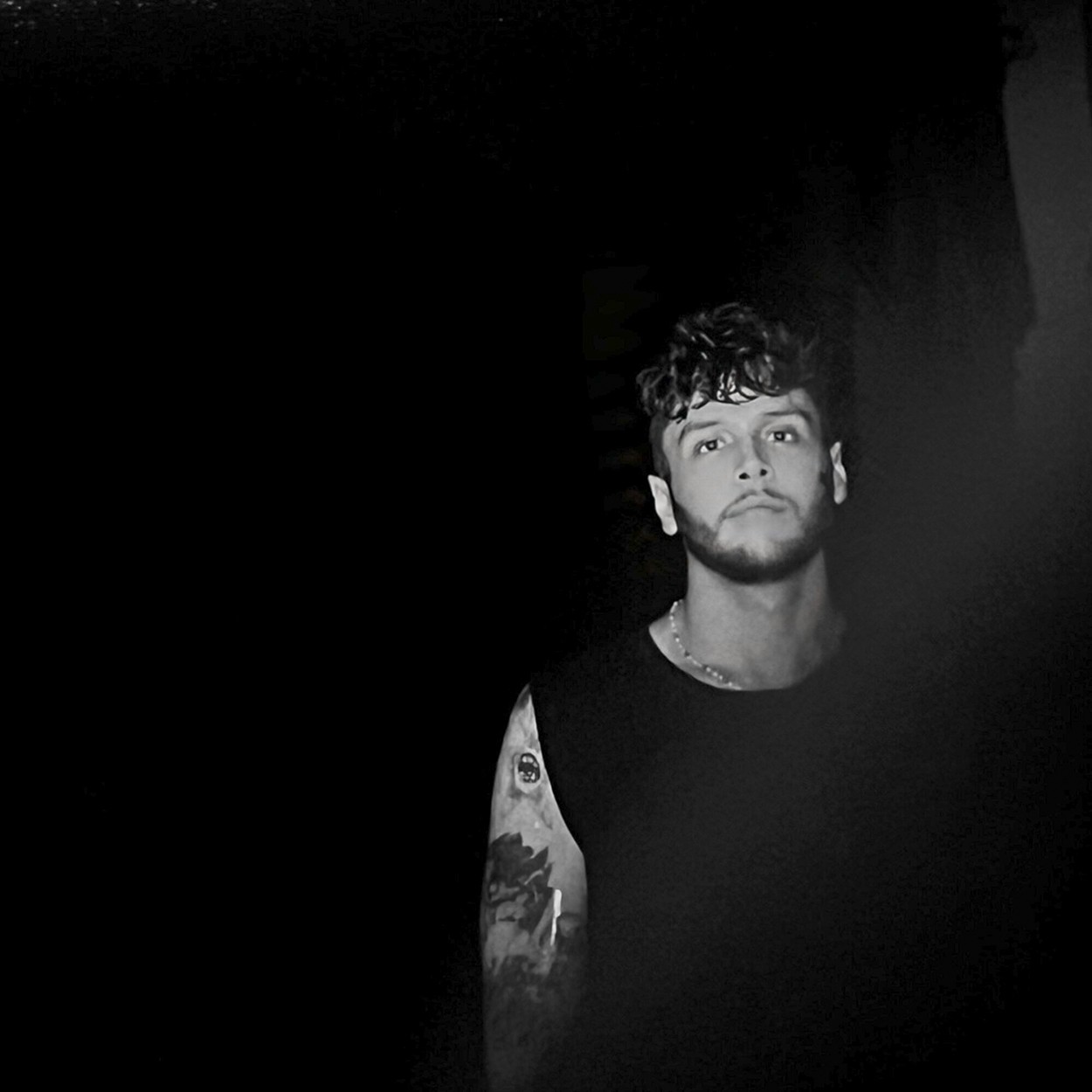
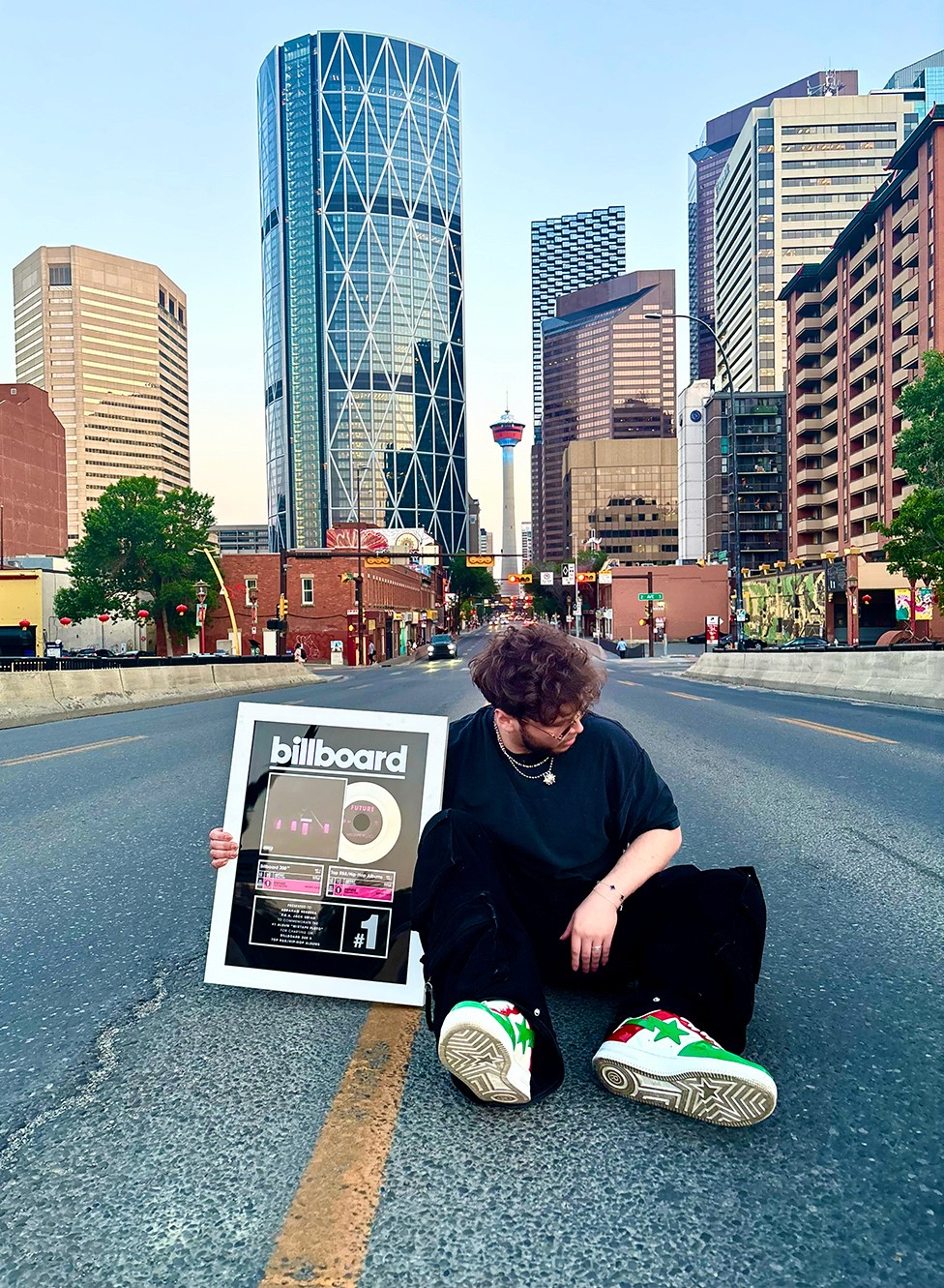
Jack Uriah is a music producer from Calgary, Canada who has built a name for himself in the industry through his instinct driven approach and work with top artists. In this interview conducted by Studio Talks, Jack opens up about his journey into music, his approach to production, and the mindset that’s shaped his career so far. From early experimentation to major records, he reflects on the process behind standout moments and placements for artists like Drake and Bryson Tiller, while sharing insights on creativity, discipline, and staying grounded in an industry that moves in waves. His catalog also includes work with artists such as Future, Quavo, and Cordae. This interview was conducted by Rudy Manager via video call on January 11, 2026.
"At the end of the day, just be genuine and don’t be afraid to put yourself out there."
- Jack Uriah
Can you share the story of how you first got interested in music, and how you eventually transitioned into music production?
I’ve always been a huge fan of music. Even as a kid, I listened to it constantly, to the point where in high school I would skip class just to listen to music. Looking back, it was definitely a form of escapism for me. I was dealing with a lot of depression and other stuff at the time, so music wasn’t just something I loved, it was also an escape.
After high school, when I was in university, I was still doing the same thing. I was skipping classes just to listen to music, even though I was paying for them. I don’t fully remember why I decided to do it, but one day I downloaded Logic Pro X. I remember specifically messing around with “Love$ick” by Mura Masa and A$AP Rocky. For some reason, I just wanted to experiment with it. Looking back, what I was doing was pretty bad. I was throwing distortion on it, using ring mods, and it sounded like garbage. But I just wanted to mess with the sound itself, the actual texture of the song. I think that’s really how it began for me.
I was always just a fan and a lover of music. I never really saw it as a career path. It was just something I was genuinely passionate about. I’m also kind of a compulsive person, so I ended up dropping out of university in my first semester to focus on music. I had this mindset of just going all in. It took me some time to actually get good, but that’s how it all started.
Did you study anything related to music in university, or was it something completely different?
No, it was completely different. I was in medicine, pre med, which is basically the complete opposite of music. At the time, I didn’t see myself as an artist or even as a creative, to be honest. That just wasn’t how I viewed myself back then.
Looking back now, though, I think I always had a certain ear and maybe some artistic tendencies. I feel like that was always in me in some way. But growing up, through my mom and the people around me, going into a STEM field was always framed as the stable option. Good money, a safe path, and you’d be set. So I kind of just went along with that mindset.
What was your process for improving when you were just starting out? Did you have any mentors, or were you mostly self taught through YouTube tutorials?
When I first started, especially during that first year, I was really just having fun. I was making music because it made me happy, and it was another form of escapism for me. I wasn’t thinking about improving or leveling up in any structured way, even though I was improving naturally through trial and error.
At the time, there weren’t nearly as many tutorials on YouTube as there are now, but there were enough to learn the basics. I did watch some tutorials, and I still think they can be useful. That said, I’d honestly give this advice to younger producers. Tutorials can easily become a crutch. A lot of what I do in music, both back then and even now, I’ve figured out on my own. I’d spend an hour just trying to understand something like what a ring mod actually does, what each knob affects, and how it changes the sound, just experimenting until it clicked. That’s how I started developing my own process. When you rely too heavily on tutorials, it becomes harder to develop your own sound or workflow. You end up doing what you’re told rather than discovering things for yourself.
I did watch tutorials for things like music theory, especially since I didn’t know any of that at the beginning and had to teach myself. As far as mentorship goes, it wasn’t really musical mentorship. It was more guidance on the industry side of things rather than on the creative side.
Can you share how the song “Broke Boys” for Drake and 21 Savage come about?
That song actually goes way back. The album came out in 2022, but “Broke Boys” was made in 2018, in a basement here in Calgary. That was during a period where I was teaching myself a lot and experimenting constantly. I’d spend hours just trying things out, really grinding. I was on that five beats a day for three summers type of mindset, and this was one of those beats.
At the time, I was really into heavier music, almost metal influenced, very raw and gritty. I’ve seen people review the song and say the instrumental sounds like a siren or mention how grungy it feels, and that’s exactly what I was going for. I was trying to make it sound like a guitar, even though I don’t play guitar. That was just the creative space I was in back then.
As for how it actually came together, this was all pre COVID. I think it was sometime around 2019 or 2020. Back then on Instagram, before message requests were really a thing, you could DM anyone and there was a chance your message would end up right at the top of their inbox. I used to spam a lot, it wasn’t good, but I got really lucky. Oliver from OVO saw my stuff and liked it, and he told me to send some beats.
I sent him maybe five beats, and he’d reply in all caps saying things like hold this one, send more. I’d send five or ten more, and he’d keep saying hold this one, hold this one, send more bro. In my head, I was stressing because I felt like I was sending my best stuff and starting to run out of ideas. Honestly, “Broke Boys” was one of the beats I personally thought was kind of trash. You really never know what people are going to connect with. I never would’ve assumed Oliver or Drake would’ve liked something like that, but that’s the one that stuck. From there, it moved forward, and it finally came out in 2022. I found out the record was coming out a couple of months before it dropped.
How do you usually like to approach working on music?
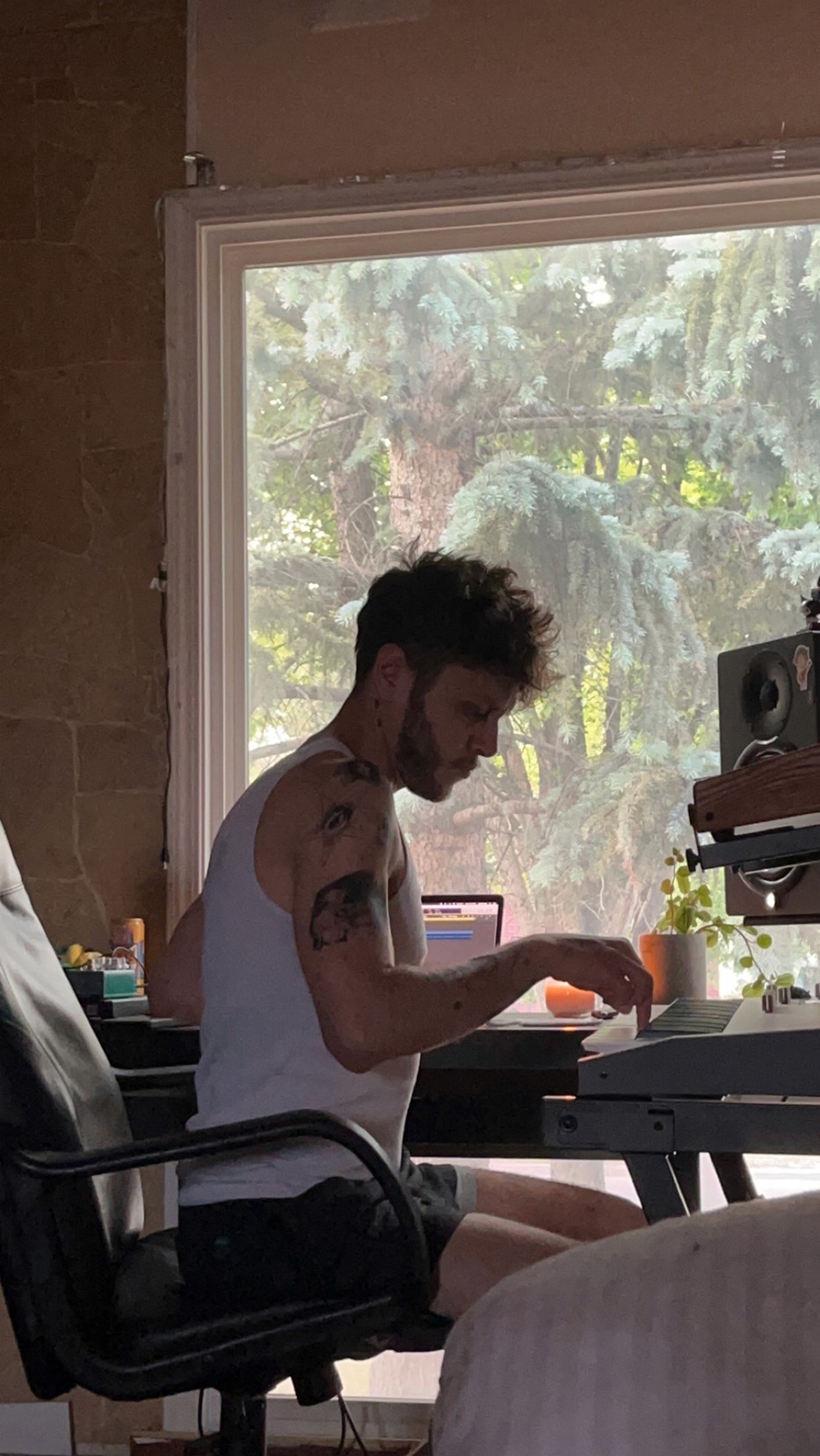
I think about 98 percent of the time I’m still learning. I’m still figuring out how to do things, and I’ll ask mentors or people I look up to how they approach certain things, especially since they’re very successful. I tend to take their word. Lately, I’ve been trying to build more of a habit around it, putting in a daily amount of work and cooking up something every day. That’s actually pretty recent for me.
In the past, my approach was way more artistic and visceral. I’d only really make music when I felt inspired, when I was locked into a certain wave or mindset. Sometimes it was hearing a song I loved, a melody, a lead, or even something really small that would spark the urge to create. These days, I still get inspired by songs and things like that, but I try not to rely on inspiration alone. I focus more on showing up daily and letting the work lead the way.
Do you have any kind of daily routine? Do you sit down at a certain time of day to work on music, or does it happen more organically?
I don’t really have a specific time of day that I sit down to work on music. But one thing that’s been huge for me, even though it’s not directly creative, is going to the gym. After a workout, the endorphins and dopamine you get from exercising put me in a really good headspace. For some reason, that energy makes me want to make music, and I’m usually ready to create right after a workout. On top of that, working out is just good for you in general, so it’s helped me a lot.
It also helps create some structure. As producers, it’s really easy to fall into messed up sleep schedules and stay up all night. That lifestyle gets romanticized a bit, and I used to be on that wave too. Back when I was grinding, I stayed up for three days straight once, just making beats. Looking back, that was pretty stupid, but at the time I thought I was really grinding. Now I’ve realized that having some structure actually makes you happier, and when you’re happier, you end up making better music.
What are some of your favorite VSTs or hardware gear that you’re using?
For VSTs, I think a lot of the most underrated stuff is pretty obvious if you really dig around. I’d say Waves plugins are underrated. I don’t think they’re used enough, and there are some real gems in there that people sleep on. I’d say Arturia, especially if you can’t afford a real synth. I think that’s the closest you’re going to get, and you really can’t go wrong with them.
Not enough people use DUNE. I think DUNE is a really underrated VST and more producers should be using it. It doesn’t get the credit it deserves.
When it comes to hardware, you don’t actually need it, and it’s expensive. But if we’re talking favorites, any kind of Moog is incredible for bass lines and leads. That aggressiveness and tonal character are really hard to replicate with VSTs. You can get close, but it’s never going to fully sound like a Moog. I’d also mention the Osmose keyboard. It’s a newer keyboard, and honestly, I don’t even love the built in sounds. I’d mainly use it as a MIDI controller. The expression on it is insane. As a key player, it’s the closest thing you can get to guitar like expression with pitch bending and dynamics. Especially for live playing, I think it’s the closest thing producers have right now.
Where do you see the state of hip hop and R&B right now, and how do you see it evolving over the next few months or even years?
To be completely transparent, I do have R&B songs, but I don’t really listen to R&B like that, so I can’t really speak on it. When it comes to hip hop, though, I feel like we’re in a big transitional period right now. The genre feels like it’s splitting itself into different subgenres. On one side, you have what I’d call more traditional or pure hip hop. Artists like Drake, JID, and Jack Harlow. That’s the type of music someone like Joe Budden would understand and enjoy.
On the other side, you’ve got artists like OsamaSon, Che, and 2hollis. If you played that music for Joe Budden, he’d probably hate it. They’re approaching hip hop from a completely different angle. Even though it’s still technically hip hop, the purpose of the music feels different. Lyrics aren’t really the main focus anymore. The focus is on other elements, whether that’s sound, energy, or overall vibe.
I think the issue is that all of this gets lumped under the same hip hop umbrella, when in reality these newer artists are probably creating their own subgenre. There’s still hip hop DNA in it, but it’s not the same thing, at least in my opinion. That’s why it feels like there’s a lot of division right now. I think it’ll sort itself out over time. It probably happened the same way with rock, where different genres eventually formed. I see that exact process happening with hip hop right now.
Can you share the story of how you made “Outside” for Bryson Tiller?
That one actually came together in a similar way to how “Broke Boys” did, but in a different context. This wasn’t something I built entirely from scratch. It was more of a post production situation, or co production, since the record was already mostly done by the time it got to me. I’m signed to another producer, Vinylz, and the record originally came from Velous. I’m pretty sure Velous wrote the whole thing.
Vinylz played me the record and told me that Bryson Tiller wasn’t feeling the melody. He wanted a new melody, and not just that, but also a counter melody. That’s usually how Vinylz works with me. He’ll send me tracks and basically say, do your thing and add something to it. So I went in and added my parts, and they ended up liking it. Bryson liked it, and so did Neil, his manager.
It actually took a while for that record to come out. I think it was close to a year before it was released, and that’s not even counting when it was originally recorded. In a way, I was almost gifted that record, so shout out to Vinylz for trusting me with it.
Is there a production of yours that’s especially close to your heart?
Honestly, my favorite production so far is probably “Broke Boys.” I think a big part of that is because it really sounds like me, especially the stuff I was making around 2018 when I was completely locked into production mode. I feel like other producers will understand this, but when you’re first starting out, that raw love and creativity you have for making music is something you never really get back in the same way. Over time, you just become more jaded. That track brings me right back to that period in my life.
They also kept my drums on it, so I actually have my drums on the final record, which felt really good. I remember someone telling me that the first time they heard the song, they immediately knew I made it. They said it sounded like me, and that meant a lot. There’s just something about that sound that feels really true to who I am as a producer. Sometimes I’ll have placements, like “Outside,” where it’s dope and wavy, but it feels more like I’m stepping into someone else’s world, like I’m working within another artist’s sonic space. With “Broke Boys,” it really feels like that’s my sound.
What advice would you give to new producers who are just starting out and want to get into the industry and start getting placements?
Honestly, don’t be afraid to put yourself out there. This is your one life. In 80 years, you’re going to be gone, so who really cares if you embarrass yourself or if people judge you. That stuff feels heavy in the moment, but it really doesn’t matter in the long run. I’ll be real though. It’s not easy. I still have my friend group from high school, some of them I’ve known since kindergarten, and I didn’t even tell them my producer name until four years in. There’s this built in embarrassment that comes with putting yourself out there on the internet, and I think the first step is learning to let that go.
Another big thing is being real about how you reach out to people. I get a lot of DMs, and trust me, it’s really easy to tell when someone didn’t actually listen to anything and just copy pasted the same message to a hundred producers. Just be honest. Be genuine. Even for me, if I hear a song I genuinely love and it inspires me to cook up, I’ll look up the credits. If I know the producer, I’ll hit them up and tell them it’s crazy. If I don’t know them, I’ll still send a genuine message saying that the song inspired me and that I’m glad it exists. Leading with real appreciation goes a long way.
I also think it’s important to understand that you don’t have to work with everyone. Not everyone is going to resonate with your sound, and that’s completely fine. If you’re making something super new age, like OsamaSon type loops, and you’re DMing producers who work with artists like Chris Brown, you have to ask yourself if that really makes sense. At that point, it can come across as forced. I’ve been there, too. I used to be overly thirsty in DMs, so I’m speaking from experience. At the end of the day, just be genuine and don’t be afraid to put yourself out there.
What are your plans for this year, and can you share both your personal plans and your career goals?
Career wise, my main focus this year is just putting in my reps. Cooking up daily and staying consistent with the work.
On a personal level, I want to do a better job of staying grounded. I think this is something a lot of producers deal with, but it doesn’t get talked about enough. It’s so easy in music to compare yourself to others and start feeling behind, washed, or like you’re failing. This industry really moves in waves. You might have six major placements drop and then nothing happens for the next two or three years, and suddenly things pick up again. Because of that, I think being grounded is key for your mental health. Being happy for people who are winning right now and trusting that your time will come too. I’m still learning how to deal with those highs and lows.
As far as the music itself, I’m focused on getting back into a regular rhythm. Cooking up consistently and letting inspiration come naturally. Ideally, I’d love to hit a wave where I’m super inspired and making three beats a day. But until then, one beat a day is the goal.
Follow Jack Uriah on Instagram: @jackur1ah
More Blog Posts
See our latest blogs