Exclusive Interview
Produced by: Rudy Manager
Edited by: Rudy Manager & Andrej Aroch
Yung Icey - Producer Behind LUCKI’s Defining Sound
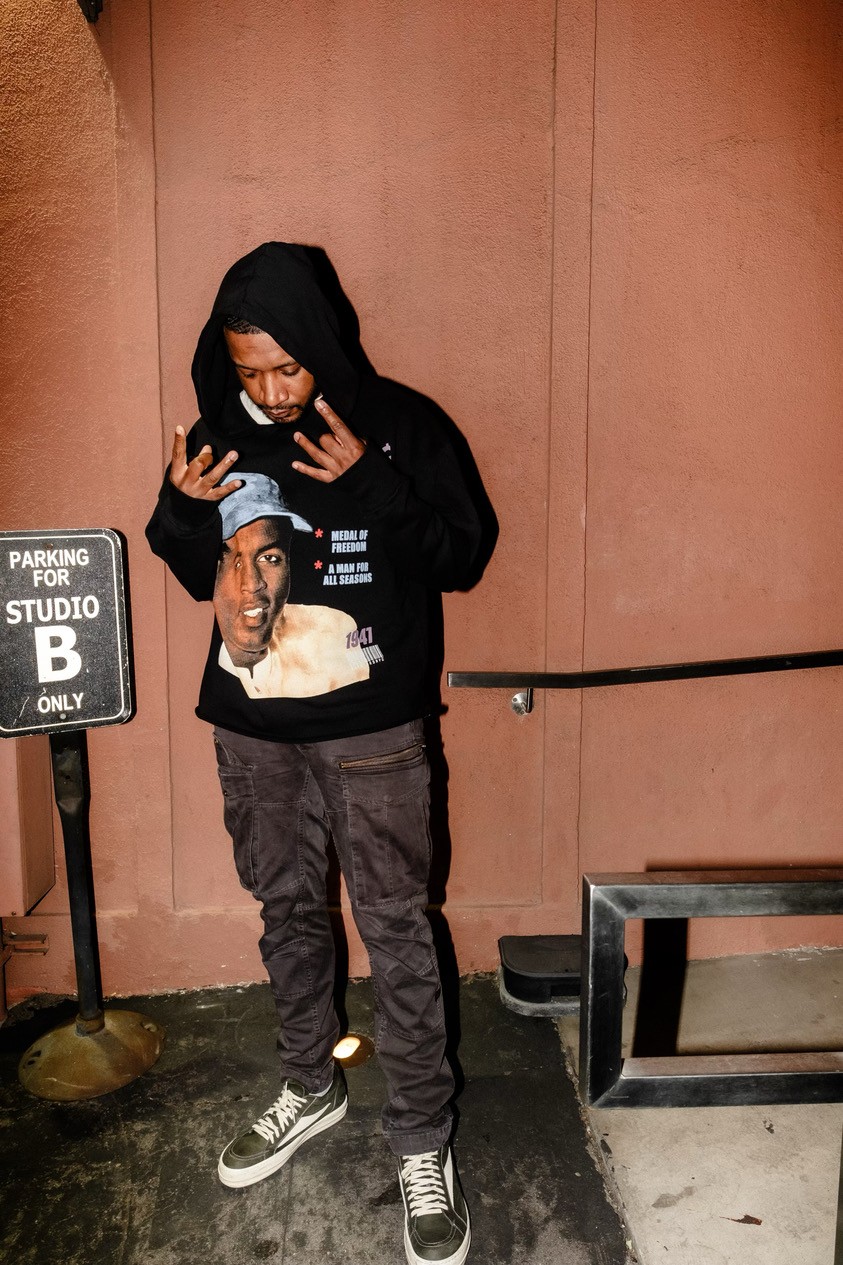
South Carolina born producer Yung Icey has become one of the most influential forces shaping today’s evolving rap sound. He’s the architect and go to producer for LUCKI, playing a key role in defining the sonic identity of multiple projects while also crafting records for artists like Future, $uicideboy$, Denzel Curry and many more. In this interview, Icey reflects on his journey from teaching himself FL Studio in his teens to landing major records, shares insight into his creative process, and explains why breaking artists from the ground up is the true key to longevity in the industry. The interview was conducted by Studio Talks co-founder Rudy Manager via video call on February 14, 2026.

“To me, you’re not truly solidified as a producer until you break an artist.”
- Yung Icey
Can you share how you first got interested in music and how you eventually transitioned into becoming a music producer?
I’ve always liked music ever since I was a kid. I come from a musical family. A couple of my family members made music, including my grandfather. I also had an older cousin who rapped, and he was a big influence on me and the things I was into. Whatever he liked, I liked. Since he rapped, I knew I wanted to do something in music too, but I also knew I didn’t want to be a rapper. I wanted to do something different.
So I figured out how to download FL Studio and started teaching myself how to make beats. I was on FL Studio every single day, just learning and experimenting. From there, everything just took off and the rest is history.
Do you remember how old you were when you first downloaded FL Studio?
I was about 16 or 17. When I was younger, I used to play a lot of games on the computer, so I was already really comfortable with downloading software. I already knew how to get whatever I needed onto my computer. So when I started thinking about making beats, I found out about FL Studio and figured out how to download it myself.
After that, I just got on it and started messing around. From that point on, I basically taught myself how to make beats. I’d go on YouTube, watch tutorials, and spend time on it every single day. Over time, I just kept improving and getting better at making beats.
What was your process for improving? Did you have any mentors, or were you mostly self-taught?
No, everything was self-taught. I’m from a small town in South Carolina called Rock Hill, and there weren’t many resources for music or anything creative. So I had to figure everything out on my own through trial and repetition. I knew the kind of sound I wanted to go for, so I’d download different sounds off the internet and experiment with whatever I could find. If I couldn’t figure something out, I’d watch YouTube videos, but for the most part it didn’t take me long to understand how to use FL Studio.
After I learned the basics, it was really about fine tuning what I was already doing. I didn’t have anyone behind the scenes teaching me how to make beats or someone I could go to with questions. It was all trial and error. At first, my beats honestly weren’t that good, but I just kept working at it. Over time, I kept improving, and eventually I mastered it.
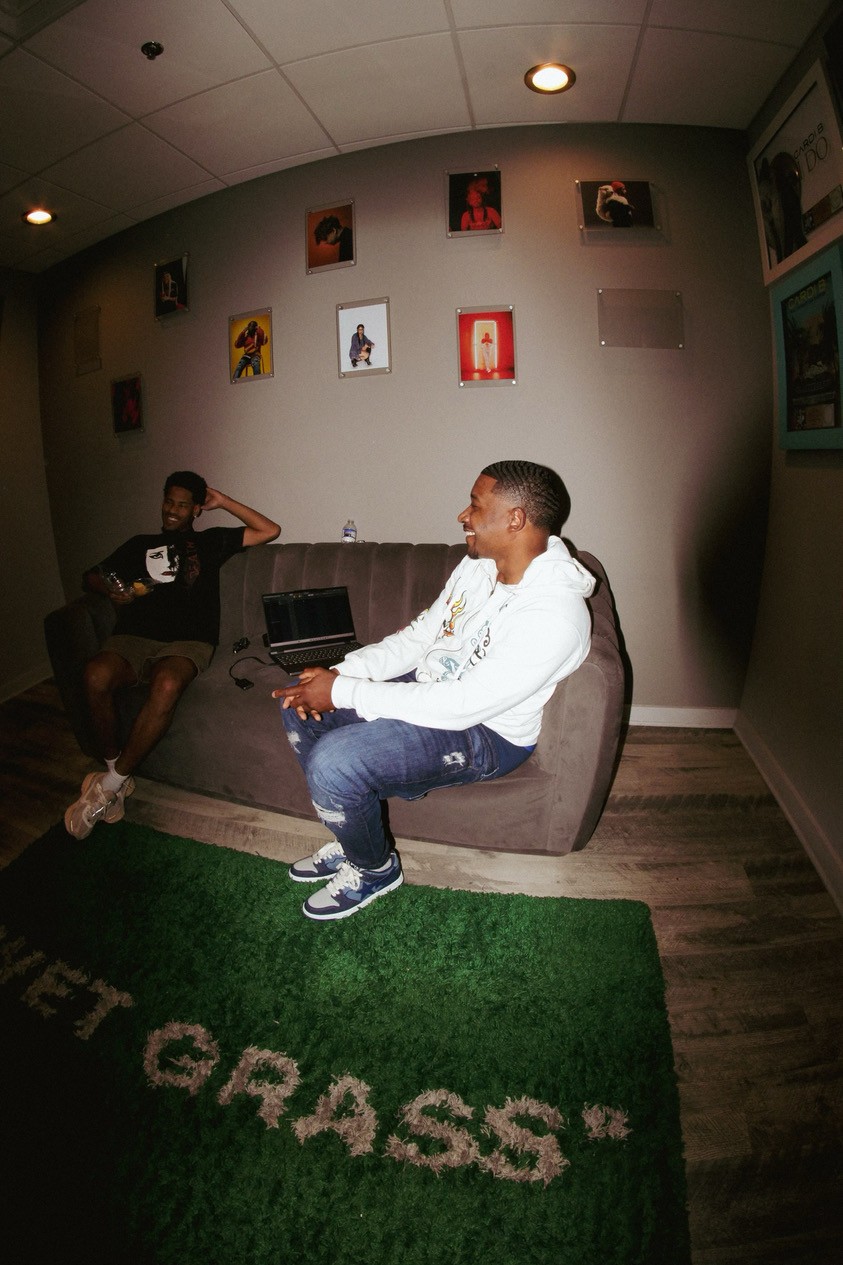
How do you approach a new idea from scratch when you first open FL Studio?
When I first started making beats, there really wasn’t a loop culture like there is now. There weren’t as many producers, and people weren’t making and sending loops like they do today. Back then, you either had to make everything from scratch or sample. Sampling was a big part of how I started. I’d go on YouTube, find samples I liked, chop them up, and build drums around them. That’s how I made a lot of my early beats while I was still developing my ear for melodies.
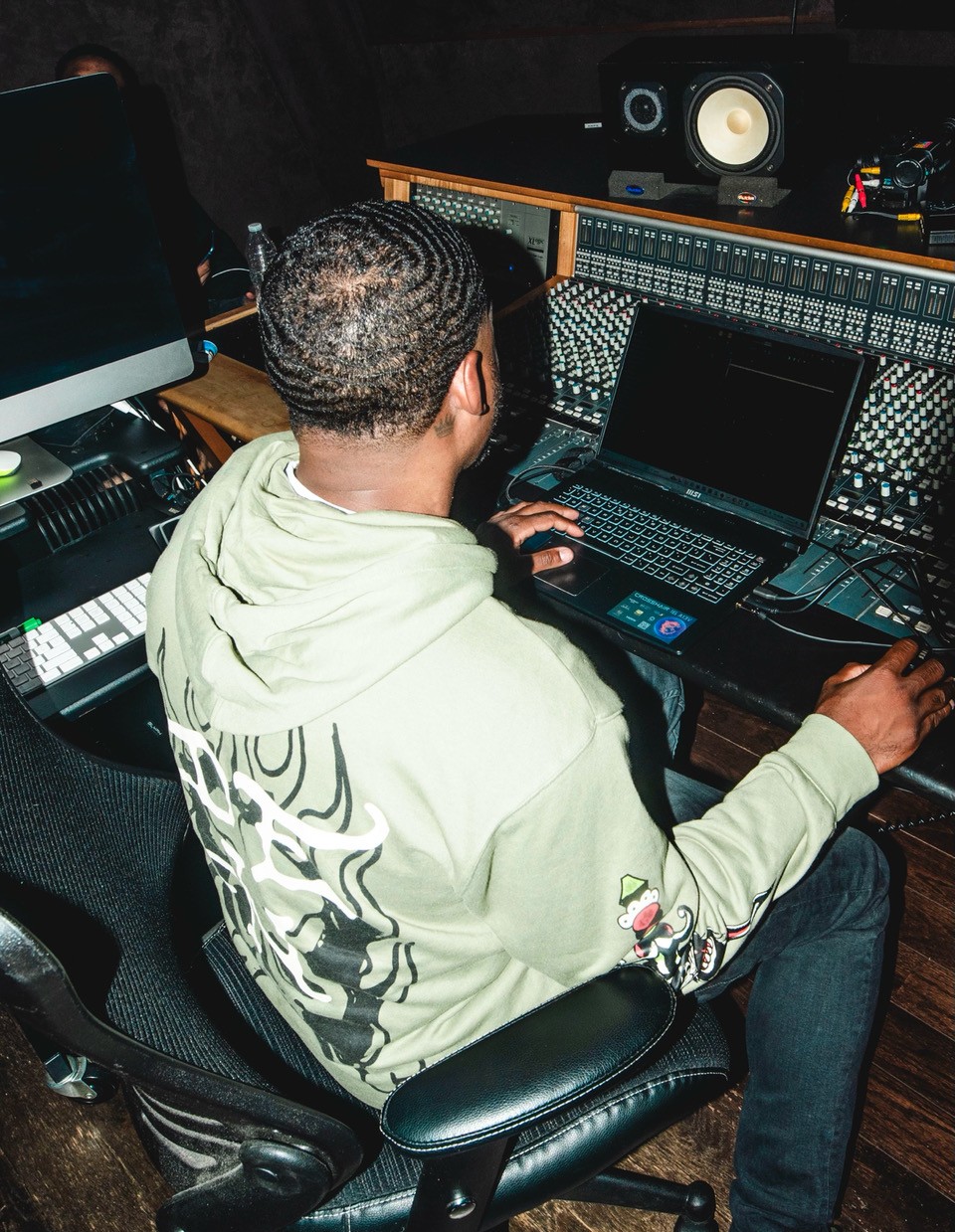
Now, when I make beats, I try to be intentional, but I also go off feeling. Everything I do creatively is very emotional. Whatever I’m feeling that day usually determines the type of beat I’m going to make. I don’t usually go into a session trying to make something for a specific artist because that can put your creativity in a box. I like to keep it open. Some days I’ll start completely from scratch and just experiment with different sounds. I have so many sounds on my computer, like most producers do. There are days when I won’t even focus on making full beats. I’ll just explore what I already have and see what inspires me.
Other times, I might set a goal to make a certain number of beats from scratch, or use loops from producers I work with to keep the workflow moving. Then there are moments when I have an actual assignment. My manager or A&R might reach out and say they need beats for a specific artist. In that case, I’ll lock in and focus on creating something that fits that artist’s vibe. So it really depends on the situation.
I’m also big on sound design. I like creating my own sounds and layering different textures together. I make loops myself too. I wouldn’t necessarily call myself a loop maker, but I can make strong melodies and I enjoy building compositions. Sometimes I’ll create a full composition and not even add drums, just to see how far I can take it with layers and sound choices. Overall, my workflow isn’t forced. I just try to do cool things with sound.
What are some of your favorite VSTs right now, and are you using any hardware synthesizers?
Right now, one of my favorite VSTs is Kontakt. It has really realistic sounds. A lot of people don’t realize that Kontakt is often used for scoring movies and video games, so you can find some really cool sounds in there. I like plugins that are easy to use but still offer a lot of depth.
I also like Zenology. That’s another great one. I use Roland sounds too, and the Triton is pretty solid. I have some other synth plugins I like as well, but I can’t give away all my secrets. Those are some of the main ones I go to the most.
As far as hardware, I’ve used it before, but I don’t personally own any yet. I definitely want to change that. I really like the Prophet and the Juno. The Juno has a lot of really cool sounds, and I look at it almost like ear candy. You can build your main melody or your full beat, then go back in with the Juno and add complementary sounds to fill everything out. That’s what I like about it.
This year, I really want to get into using an MPC. Since my roots are in sampling, I feel like I need to fully master that side of things. That’s probably going to be my next purchase. I want to get an MPC and really lock back in on chopping samples.
Can you share the story of how you first linked up with LUCKI and how you started working together?
LUCKI and I go way back. When I was in college, I used to travel a lot for music because I was managing artists and producing at the same time. I was going to New York pretty frequently, so I spent a lot of time there. During the summers when I didn’t have school, LUCKI would also be in New York a lot, especially when he was starting to really pop as an artist. I like to say he kind of blew up twice as an artist. You had LUCKI X, and then you had just LUCKI. Around the beginning of that second era, we were both in New York a lot.
We had mutual friends, so we ended up being around each other because of them. At first, we knew each other, but we weren’t really working yet. I’d play him beats sometimes, and he might like something, but he was very picky in the beginning. One thing about LUCKI is that he has to really be cool with you before he starts making music with you. A lot of the time we were just hanging out, and it wasn’t even about music.
This was around 2017. Then in 2018, when he was on tour with Young Nudy, I pulled up to a couple of the shows because I had an artist I was managing who was on some of those tour dates. I saw LUCKI in Atlanta and then again in Miami. After that, I stayed in Miami for a few extra days and we were hanging out, going to the studio, and just building. From there, we kept in touch, whether it was online or running into each other in different cities. Since we had mutual friends, we’d naturally cross paths and just keep building.
When I graduated college in 2019, his manager hit me up saying they needed beats. At that point, we had recorded maybe one or two songs together, but nothing had come out yet. So I sent over a full pack. A day or two later, his manager called me and said, we got one. He sent me the track, and that song ended up being “Faith.” They dropped it as a single, and it turned into one of his biggest songs and one of mine too.
It’s funny because during those first couple of years being around him, I’d get frustrated. I was around, but he wasn’t really rapping on my beats, and I just wanted that moment. What I didn’t understand at the time was that artists need to build trust first. When I finally got that opportunity after being around him for about a year and a half to two years, it turned into something major. After “Faith,” everything grew from there. We kept building, and I ended up working on every album after that. That’s really how it all came together. It started through mutual connections, but it was built on trust.
When you made the beat for “Faith,” did you know it was going to become such a big record?
When I made the beat for “Faith,” I didn’t know it was going to be as big as it ended up being. I did make it with the intention of it going to LUCKI, though. That was during the time when his manager had asked me to send beats, so I really locked in and made a batch specifically for him. But when I finished the beat, I wasn’t sitting there thinking it was going to be a huge record.
Originally, when they recorded the song, it had a Faith Evans sample at the beginning. By the time it officially dropped, the sample had been taken off. But when they first sent it back to me and I heard her talking at the beginning and then the beat dropping right after, I remember thinking it was going to go crazy. Then he started previewing it, and I saw a lot of people asking for it. At that point, I felt like it had real potential.
Even then, I still didn’t expect it to become as big as it did. That song really marked a shift. Like I said before, I feel like LUCKI blew up twice, and “Faith” was a major moment in his second era. It pushed him more into the mainstream spotlight and helped him connect with a much wider audience. From there, the next few albums just kept building on that momentum. “Faith” was really the start of a legendary run for both of us.
Do you have a personal favorite song that you’ve done with LUCKI? You’ve made a lot together. Is there one that stands out to you?
Personally, my favorite song that I’ve done with him is probably “Purple Heart Ski.” The reason it stands out is because when I made that beat, I didn’t make it with the intention of him rapping on it. It was just something I created on a random day while I was in the studio making beats. I wasn’t thinking about him at all when I made it.
To give some context, the way we worked on his last three albums FLAWLESS LIKE ME, s*x m*ney dr*gs, and GEMINI! was pretty consistent. He would basically finish most of the album on his own, then when he was almost done, he’d come to Atlanta to work with me. He’d play me the album and ask what I thought it needed. I was a big fan of LUCKI before we ever worked together, so I think he values my opinion because I understand his music from both a fan perspective and as his producer. We’d usually finish the album together, and I’d end up contributing some of the final records that helped complete the project.
With “Purple Heart Ski,” we were wrapping up s*x m*ney dr*gs and we needed a few more songs. We were in the studio going through beats, and I played that one without really thinking about it. I don’t even remember if I clicked it by accident or just played it randomly. I just played it to see how he’d react. Honestly, it didn’t seem like the type of beat I would’ve expected him to choose. But he heard it and said, watch this, then went straight into the booth.
When LUCKI records, he doesn’t like people to hear the song until it’s finished. So we were just sitting there waiting while he recorded. After a while, he called me into the booth and played it back. When I heard how he was flowing on it, I was like, this is crazy. He finished the song, and it turned out incredible.
To this day, I don’t think that song, or even that album, gets enough love. s*x m*ney dr*gs is actually one of my favorite albums of his. A lot of people really like “Purple Heart Ski,” and I still feel like it deserved a video, but that never ended up happening. What makes it special to me is that it’s not a typical beat you’d expect LUCKI to rap on, and that’s exactly why it works so well. I also feel like that moment represented growth for both of us. Every time we started a new album, I had improved as a producer, and I think that track shows a real peak of our chemistry. That’s why “Purple Heart Ski” is probably my favorite.
What’s your opinion on collaboration and having multiple producers on a beat?
At the end of the day, whatever gets the job done is what matters. Everybody has their own opinions about collaboration, and it’s always subjective. Personally, I think collaboration is a beautiful thing, and sometimes people take it for granted. We live in a time where there are so many ways to work together. For example, you’re across the world from me right now, but if we wanted to make beats together, we could easily make that happen. That’s powerful.
If you give ten producers the same loop and ask each of them to build a beat around it, you’re going to get ten completely different results. Everybody has different instincts, different emotions, and different approaches. So having multiple producers on a record isn’t a bad thing. It can actually make the product stronger because you’re combining perspectives. At the end of the day, the consumer doesn’t listen to a song and think about how many producers were involved. They care about how the song makes them feel. Does it hit when they’re sad? Does it sound good when they’re in a good mood? That’s what really matters.
I do think the conversation about multiple producers can get tired sometimes. My only real stance is that if you’re collaborating, it should be genuine. If there are five people on a beat, you should actually know those five people or at least have a real relationship with them. It shouldn’t feel microwaved or transactional. For me, even when I collaborate, it’s usually with people I’m actually cool with in real life. Most of the producers I work with are my friends, or at the very least, we’ve had studio sessions together.
Also, not everyone credited on a record is necessarily just a beat maker. One person might play guitar, another might play violin or bass. If bringing in someone who actually plays an instrument adds real sonics and texture to the record, why avoid that just because it increases the number of credits? The goal should always be to make the best possible product. That’s really what it comes down to.
What’s your take on AI in music production?
I’m not necessarily against AI. I see it as a tool, but it’s a tool that shouldn’t be abused. I don’t think AI can fully replace people because it doesn’t have emotion the way humans do. Music is rooted in feeling, and that’s something you can’t truly replicate. That said, AI can definitely be used to amplify what you’re already doing.
We’re at a point now where AI is part of the conversation whether we like it or not. It’s here, so you either adapt or get left behind. The key is using it responsibly. If you’re using AI to enhance your workflow or expand your creativity, I don’t see anything wrong with that. Where it gets questionable to me is when someone relies on it completely, like they don’t know how to make a beat or play anything and they’re just prompting a robot to spit something out. Personally, that doesn’t resonate with me. But at the end of the day, to each his own.
I haven’t really started implementing AI into my own process because I don’t feel like I need it. At the same time, I’m always open to learning. In music, you have to stay a student. There’s always something new to explore that could help you grow. I actually think some of the things happening with AI artists are pretty interesting. A lot of people frown on it, but I think it’s important to step back and understand where music is heading.
At the end of the day, an AI artist can’t be a LUCKI. It can’t replace that. I see AI as another medium that can potentially help producers, engineers, and creatives if it’s used the right way. It’s here, so now it’s about figuring out where it fits within our community and how to use it without abusing it.
What advice would you give to new producers starting out in 2026 who want to work with established artists and build a career in the music industry?
I think new producers should focus on breaking artists. Work with what’s within your reach. A lot of people try to hit a home run right away, but you have to build up to certain levels before you have the access, relationships, and skill set to operate at that level. Instead of focusing so much on placements, focus on perfecting your craft and putting up shots. Making music is like sports to me. It’s like basketball. Are you in the gym every day? Are you working out? Are you taking shots every day? That’s what really matters in the beginning.
Rather than chasing big placements, I think producers should reach out to artists who are at a similar stage in their journey. Of course, you might get lucky and land a record with a major artist like Future, Lil Baby, Young Thug, or Drake. But those artists are already established. No matter what they drop, people are going to listen. It’s more powerful to be part of building someone from the ground up. You want to be part of the reason an artist becomes big, not just someone who contributed when they were already there.
When you grow with an artist, you’re building trust and developing a sound together. You’re actually in the room with them. You understand what they like and how they think. If you help build that artist into something major, you have leverage. When other producers want to work with them, that artist is going to point back to you and say, this is who really knows my sound. That’s how you build real positioning in the industry.
I’ve been making music for about ten years now, and I still feel like I have a lot left to accomplish. There have been times when I felt frustrated or demotivated, but something always happens that reminds me I’m on the right path. The game is more oversaturated than ever. When I started, there weren’t nearly as many producers. Now there are new producers and new rappers every single day. It’s hard to keep up. In a space that crowded, you can’t do what everyone else is doing. If a million people are chasing the same thing, you have to think differently and build something tangible that sets you apart.
To me, you’re not truly solidified as a producer until you break an artist. If you look back at every household name in the producer world, they all played a role in breaking someone. You can have hits, plaques, and Billboard records, but when people can point to an artist and say that artist is here because of this producer, that’s when you become a real staple in the game.
At the end of the day, people have different reasons for making music. Some do it for love, some for money, some for recognition. But if you’re just starting out, focus on your craft. Find artists you can build with, grow together, and control your own destiny. When you break an artist, you’re not just part of the wave. You helped create it.
What do you think about the current state of the industry, especially in rap and R&B?
I think we’re in the middle of a shift in music right now. It feels like people are trying to figure out what’s next. Access has changed everything in music. Back in the day, people didn’t have the kind of access we have now. With the internet and all these platforms, everyone has an opinion and a place to express it. That wasn’t always the case. Music is changing.
Now you have a lot of niche artists who are very successful, even if they’re not on the radio or charting on Billboard. Some of those artists are selling out major tours all year. That shows how much the landscape has changed. It’s not just about traditional metrics anymore. It’s about community and building an audience. At the same time, the sound is shifting. People are tired of hearing the same things. With the industry being so oversaturated, there’s a lot of copying and a lot of music that sounds alike. Listeners want something new. So artists, producers, and labels are all adjusting. It really comes down to who can adapt and stand the test of time as things continue to evolve.
As far as R&B, I don’t think it’s ever going anywhere. There’s always going to be money in R&B, and it has a timeless quality to it. Rap, on the other hand, changes rapidly. The trends shift fast, and you have to be able to pivot. You have to stay fresh. Even if you have accolades and strong relationships, there’s always someone coming up who wants your spot. So you have to stay consistent and stay a student of the game.
I think one mistake people make is thinking they know it all. You always have to be willing to learn. I pay attention to younger people in my family and ask them who they’re listening to. I’ll go check out the artists they mention because that’s how you stay connected to what’s coming up. The kids usually drive what’s next. It’s similar to how I look at AI. You either adapt or you get left behind.
Overall, I think the industry is changing because people want something different. The key is finding ways to be innovative while still staying true to yourself and what works for you. You have to balance consistency with evolution.
Who are some upcoming artists people should be paying more attention to?
First, I’d say Kkanii. That’s someone from my circle. I actually dropped a tape with him last year called KANIVING LIFE OF MINE. He’s super dope, and I really believe in what he’s building right now.
I’d also say Chuckyy. A lot of people already know who he is, but I still think he has a crazy amount of upside. He’s young and has already accomplished a lot, but I feel like he could go even bigger. There’s still so much room for growth with him, which is exciting to see.
Another artist I really like is Draco Dontjam from Virginia. He’s very consistent, I genuinely enjoy his music, and I think he has the potential to become a major artist.
What plans do you have for the rest of this year, both personally and professionally?
On a personal level, I want to invest in more businesses outside of music that generate passive income. I’ve always been business minded, and I believe in having multiple streams of income. At the end of the day, you can’t rely on just one thing. So I’m focused on building investments that generate income beyond music and setting myself up long term.
Professionally, I just want to stay consistent and keep the music flowing. My goal is to release music every week or every couple of weeks, whether that’s with signed or independent artists. I want to keep my presence active and keep building momentum. I also want to create more content this year. A lot of people know me from certain records or from working with specific artists, and they show love and appreciation. But I feel like not everyone has really gone down the full rabbit hole of my journey yet. I’ve been doing this since I was a teenager, and I’ve gone through different eras creatively. I want to document that more and build a stronger digital footprint so people can really see the full story.
Another big goal for me is building my own imprint with producers. I’ve worked with a lot of talented producers, and I want to start bringing a team together. I want to build something that has structure and longevity, not just individual placements. Eventually, I’d love to start my own company focused on sound design. My long term vision is to score music for video games, movies, and television. That’s the end goal. Once I’m no longer active strictly as a producer, I want to run a company that creates music for major platforms. That’s the long game for me.
Is there anything else you’d like to add?
I think that’s really it. At the end of the day, it’s about staying consistent, keeping God first, and doing right by people. I’ve always taken pride in building strong relationships and handling business the right way. In this industry, your reputation is everything. It’s really all you have. So you have to move with integrity and make sure people can trust you.
I also believe in always being a student of the game. You should constantly study, learn, and figure out how to improve. The goal is to be better than you were yesterday. Those are my final thoughts.
Follow Yung Icey on Instagram: @yungicey
More Blog Posts
See our latest blogs